

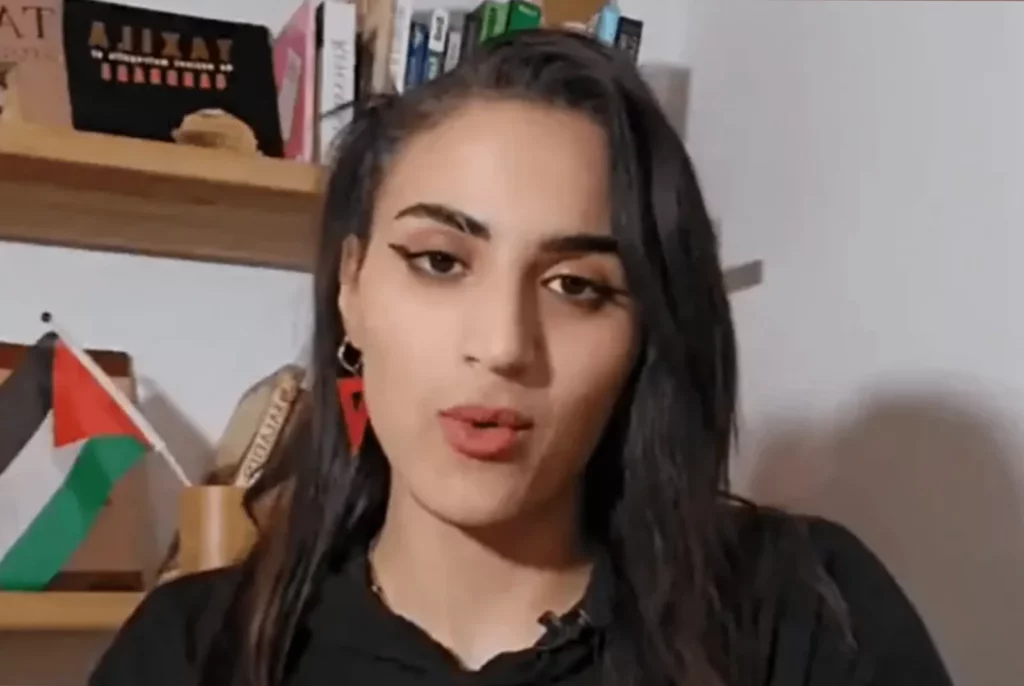
A suspended NHS doctor has been charged with inviting support for Hamas, marking a significant escalation in a case that has become a flashpoint in the government’s drive to crack down on racism within the health service.
The Metropolitan Police confirmed that Dr Rahmeh Aladwan, a 31-year-old British Palestinian trainee surgeon, faces six offences. She was charged with four counts of inviting support for the proscribed organisation Hamas on specific dates in July, August, October, and December 2025. Additionally, she faces two counts of stirring up racial hatred in July and November of last year. Dr Aladwan was arrested at her home in Pilning, South Gloucestershire, on 26 March 2026, for allegedly breaching police bail, and was remanded in custody to appear at Westminster Magistrates’ Court.
A 15-month suspension and disputed allegations
These criminal charges follow separate disciplinary proceedings that had already placed Dr Aladwan’s medical career in jeopardy. In November 2025, the Medical Practitioners Tribunal Service suspended her for 15 months after reviewing a series of allegedly antisemitic social media posts.
The tribunal found she had shared support for “violent action and terrorist organisations”. It determined her alleged conduct “may impact on patient confidence” and that patients “may be discouraged” from seeking treatment from her. The case had been referred by the General Medical Council following complaints from groups including the Jewish Medical Association UK and the Campaign Against Antisemitism, which cited allegations of justifying terrorism, promoting antisemitic conspiracy theories, and supporting proscribed groups.
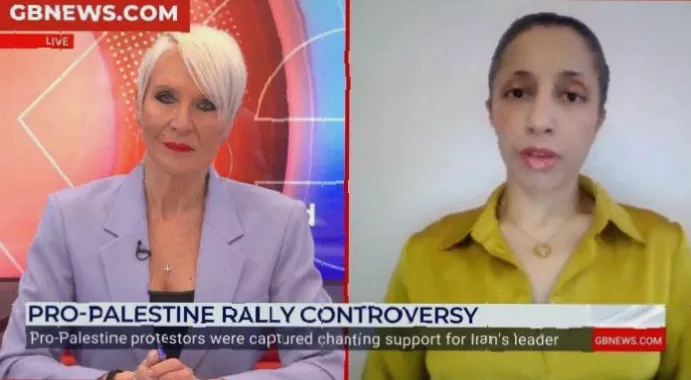
Dr Aladwan has consistently denied making racist or hateful comments. Her lawyer told the tribunal there was “no evidence” the alleged posts had impacted patient safety or her clinical duties, arguing they constituted legitimate political speech. This stance followed an earlier ruling in September 2025 by an Interim Orders Tribunal, which decided against suspending her, noting her clinical practice was unblemished. However, the GMC later re-referred the case, citing an escalation in her social media tone after the Manchester synagogue attack in October 2025.
Sweeping reforms to medical regulation
The high-profile case has unfolded alongside a major government initiative to overhaul how doctors are disciplined for misconduct, particularly online. The Department of Health and Social Care has launched a consultation on what it describes as the biggest reform of the General Medical Council in forty years, aimed at enabling faster action against racist and antisemitic behaviour.
Health Secretary Wes Streeting stated: “The NHS is a universal health service, which means that everyone, regardless of race, religion or belief, should feel safe seeking its care.” He said the current situation, where many do not feel protected, was unacceptable. The proposed changes stem from a rapid review into NHS racism commissioned in November 2025 and led by Labour peer John Mann, who criticised the existing framework as “too slow and too cumbersome.”
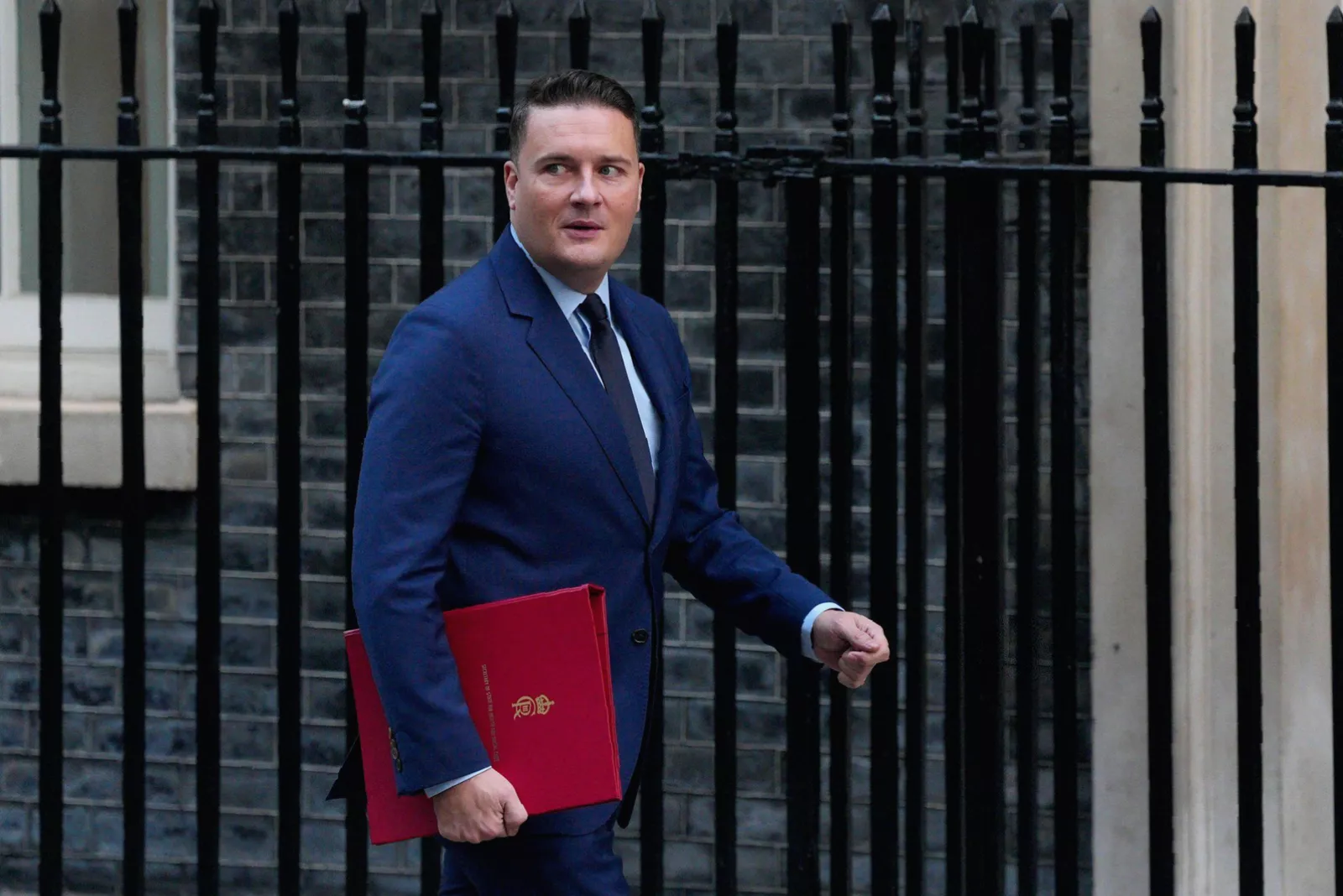
The core reforms focus on increasing accountability and speed within the regulatory process. They include granting the GMC new powers to challenge decisions made by the Medical Practitioners Tribunal Service. Furthermore, the Professional Standards Authority would receive enhanced powers to scrutinise and challenge rulings, and regulators would be required to share information with the authority.
Charlie Massey, the GMC’s chief executive, expressed support, saying: “These proposed reforms will allow us to respond more quickly and flexibly when patient safety is at risk.” He added they would make the regulator more efficient and the complaints process easier for patients to navigate.
The GMC’s existing social media guidance, which states doctors have “freedom of belief, privacy, and expression” balanced against the impact on others’ rights, is now set against a backdrop of potential regulatory tightening. Lord Mann emphasised the intended outcome, declaring: “Racism, including anti-Jewish racism, has no place in the health sector or our NHS, and those who engage in it should face swift and meaningful consequences.”