

In the routine conversations between doctors and young patients about their treatment, one simple question has been consistently, and surprisingly, overlooked: what does the medicine taste like?
This omission, now recognised by paediatric specialists, has meant missing a crucial barrier to children taking their medication effectively. It has also hidden a significant opportunity to improve both health outcomes and NHS finances, according to a project at Great Ormond Street Hospital (Gosh).
The cost of a bitter pill
The research, focusing on children with the rare condition congenital hyperinsulinism (CHI), uncovered stark figures. Switching a child from liquid diazoxide to a tablet form could save approximately £40,000 per patient annually. The cost disparity is foundational: the liquid version costs £15.50 per 50mg, while the tablet is just £1.15 for the same dose.
Experts involved suggest the potential is far wider. They believe over two-thirds of prescriptions for liquid medicines could be safely switched to tablets or capsules, potentially saving three-quarters of treatment costs. A 2014 study indicated that such a substitution could save a single institution between £238,000 and £410,000 every year.
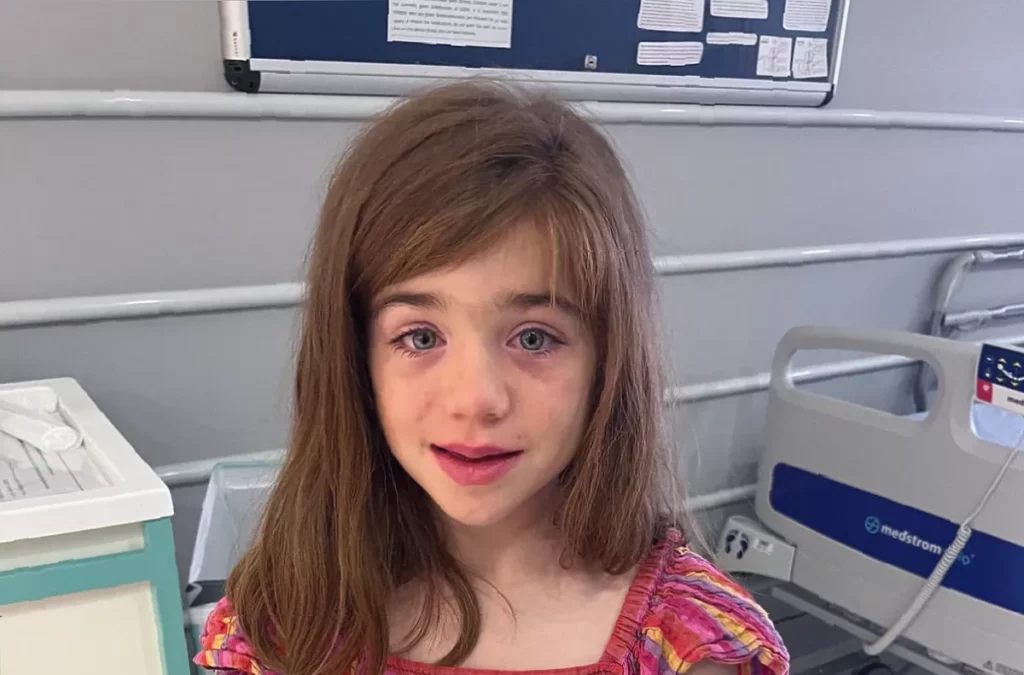
For patients like 11-year-old Jess Manktelow, who has CHI, the switch was transformative. She found that taking medicine that “doesn’t taste horrible” made things much easier, granting her more freedom. Gosh experts, encouraged by such outcomes, are now planning to assess if patients as young as four can successfully transition to tablets, with evidence suggesting most children can learn with structured coaching.
Why taste was never on the chart
The historical neglect of medicine palatability stems from several entrenched practices and assumptions in paediatric care. Primarily, the default to liquid formulations has been a longstanding tradition, rooted in the belief that young children cannot swallow solid pills. This persists despite evidence that children can often manage tablets from an early age with support.
Clinically, the focus has been on drug efficacy and safety, with subjective experience like taste considered a secondary concern. Furthermore, children’s heightened sensitivity to bitter tastes—they are more sensitive than adults—was not fully integrated into prescribing habits. A UK study highlighted the consequence: children who experienced palatability issues were almost four times more likely to refuse their medication, a major adherence problem recognised across many common paediatric drugs.
The environmental impact has also been historically absent from the calculation. Liquid medicines carry a larger carbon footprint than tablets due to heavier packaging, greater transport weight, and sometimes the need for refrigeration.
This oversight occurs within a broader context of paediatric prescribing challenges. Medication error rates are significantly higher for children than for adults, prompting innovations like the digital tool ‘Touchdose‘ at some trusts to automate dose calculations and reduce manual errors.
Project co-lead Dr Antonia Dastamani, a consultant in paediatric endocrinology and diabetes at Gosh, framed the realisation simply: “It is common practice to ask patients how they’re finding treatment, or how they feel when they have injections, but we never thought to ask patients about the taste of medicines and whether they like them.”