

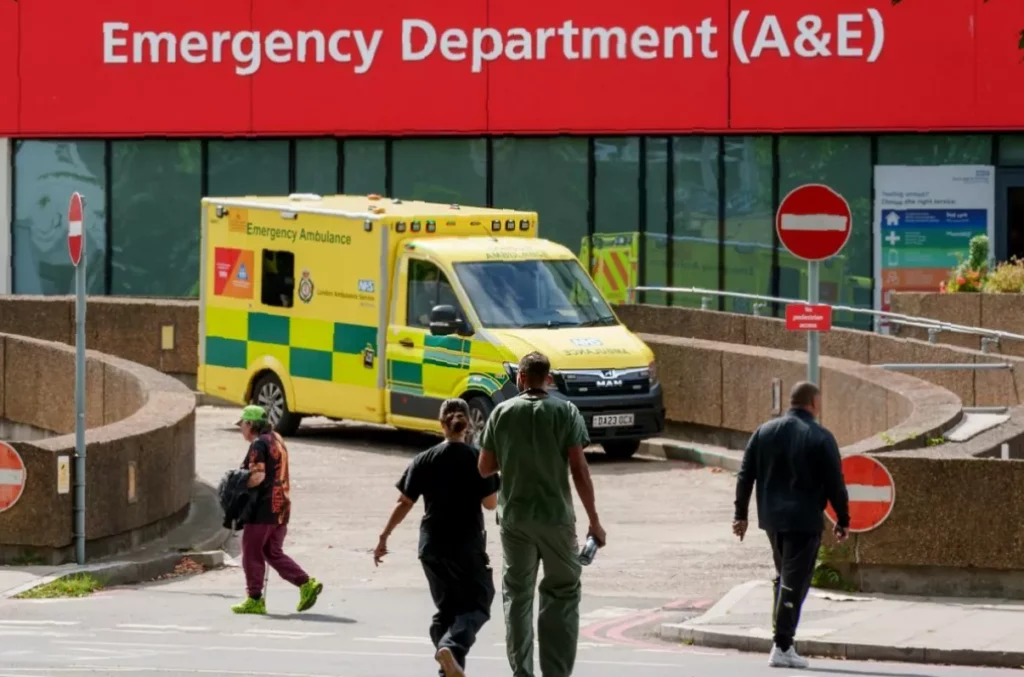
NHS accident and emergency departments have achieved their best waiting time performance in five years, a milestone reached not during a period of calm but in the face of the highest patient demand ever recorded, according to the latest official data.
In March, 77.1% of patients in England were seen, admitted, or discharged within the crucial four-hour target. This is the strongest performance since July 2021 and represents a significant improvement even as emergency departments faced what the health service described as a “prolonged winter”.
Record demand met with improved response
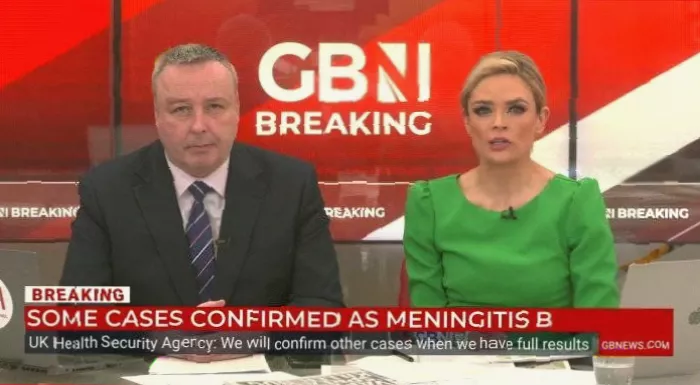
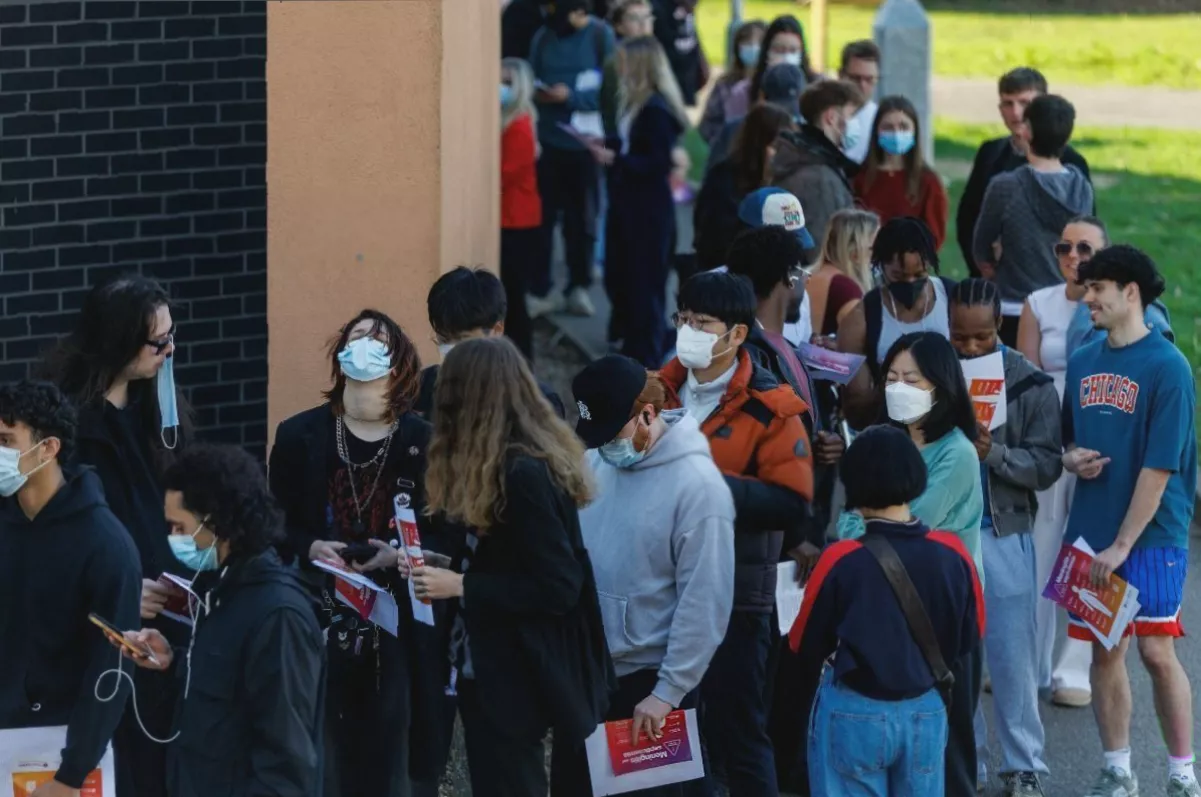
The scale of the challenge underpinning this achievement is stark. A record-breaking 2.43 million people attended A&E in England last month, surpassing the previous high set in May 2024 by approximately 16,000 attendances. This unprecedented demand was partly driven by a meningitis outbreak reported in mid-March, which caused a notable spike in cases.
Despite this surge, the system responded more swiftly than it has for years. The improvement is also evident in ambulance response times for the most critical incidents, such as suspected heart attacks and strokes, which averaged 26 minutes and 18 seconds in March—the fastest response since May 2021. The national target for these Category 2 calls is 30 minutes, and in February the average was 28 minutes and 57 seconds, indicating progress in some regions.
Waiting lists show sustained decline
Beyond emergency care, the overall NHS waiting list for routine treatment continues to fall. The official figure stood at 7.22 million patients in February, a reduction of just over 31,000 from January and a drop of more than 400,000 since July 2024. This marks the fourth consecutive monthly decline.
Furthermore, the number of patients enduring exceptionally long waits has been sharply reduced. Those waiting more than a year for routine hospital treatment fell to 122,668 by the end of February, the lowest figure since August 2020. The government’s target is for less than 1% of the total list to wait over 52 weeks by March 2026.
Progress is also being made toward the broader elective recovery target. By the end of February, 62.6% of patients were receiving treatment within 18 weeks, an increase of 1.1 percentage points from the previous month. Professor Meghana Pandit, NHS Deputy Chief Executive and Medical Director, said the service was now “within touching distance” of its goal. The interim target for the end of March is 65%, a threshold not met since November 2021, though projections suggest it could be narrowly missed.
Cancer diagnosis speeds hit historic high
In another area of notable progress, the speed of cancer diagnosis has reached an unprecedented level. In February, over 80.5% of patients referred urgently with suspected cancer received either a definitive diagnosis or the all-clear within 28 days. This is the highest proportion ever recorded in NHS history, with 208,293 individuals learning their results that month.
This performance aligns with the ambitions of the National Cancer Plan for England, published in February 2026, which aims to meet all cancer waiting time standards by March 2029. However, a significant challenge remains in starting treatment quickly after diagnosis. The target for patients to begin their first treatment within 62 days of an urgent referral has not been met since 2014. In December 2025, only 59% of patients started treatment within that timeframe, against an interim goal of 75% for March 2026.
The diagnostic capacity underpinning these improvements has expanded considerably. A record 29.86 million tests and checks were conducted between March 2025 and February 2026, over one million more than the previous year. This has been bolstered by a £237 million government investment for 36 new and expanded Community Diagnostic Centres (CDCs), part of what Health and Social Care Secretary Wes Streeting called the “biggest expansion in NHS diagnostics in a generation”.
However, concerns have been raised by health leaders about the availability of sufficient staff to operate these new facilities, warning that their full benefits could be compromised without a comprehensive workforce plan.
Professor Pandit expressed pride in the workforce’s dedication, noting that progress had been secured “despite the busiest winter on record and disruption caused by industrial action”. Wes Streeting acknowledged the scale of the turnaround, stating: “We inherited an NHS going through the worst crisis in its history after years of neglect. Today’s figures show just how far we’ve come.” The minister, a kidney cancer survivor, added: “The NHS is on the road to recovery, and my foot is pressing down hard on the accelerator.”
Despite the positive trends, significant pressures persist. The 4-hour A&E target is still at risk of not being met nationally, and concerns remain about patients being treated in hospital corridors, with a review highlighting associated risks to dignity and safety. Public satisfaction with the NHS, however, has risen for the first time since 2019, according to a recent survey.