

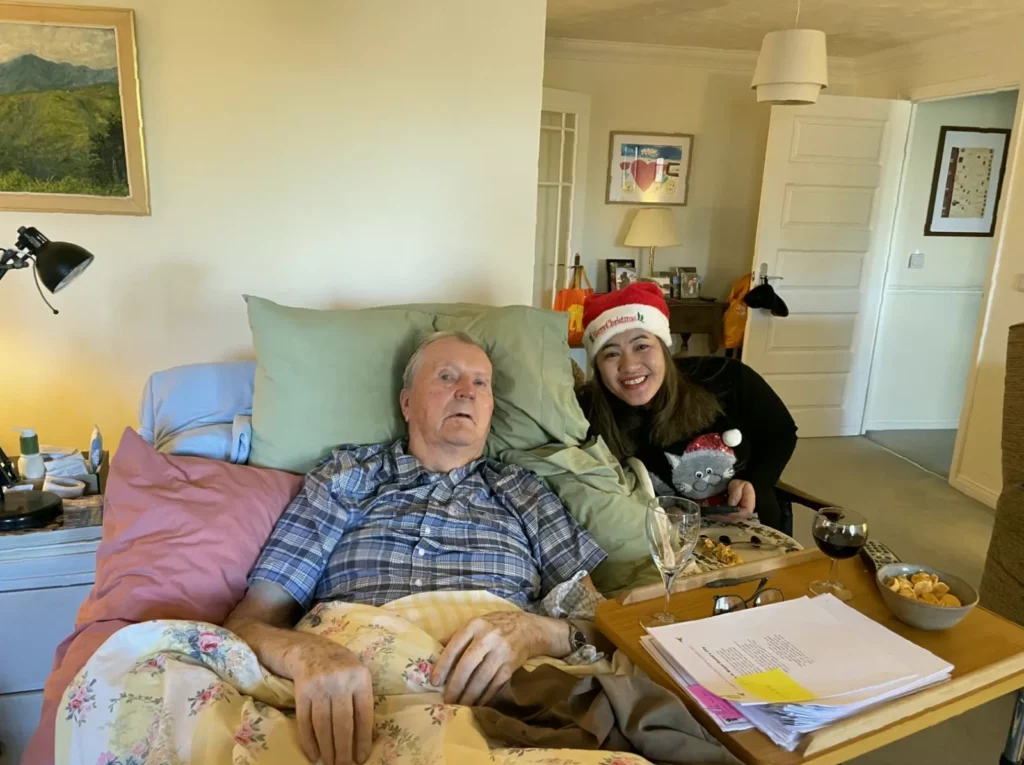
Hundreds of NHS hospital beds will be freed up by a new home support platform rolling out across five trusts, a move that officials hope will save millions of pounds and ease the chronic pressure caused by delayed discharges.
The service, called ilarna, is a London-based technology platform designed to find appropriate homecare for patients who are medically fit to leave hospital but cannot because the necessary support is not in place. It is being deployed in Buckinghamshire, Cambridgeshire, North West Anglia, Northampton and Shropshire NHS trusts.
The scale of the problem ilarna aims to tackle is stark. Data analysed by The Health Foundation shows the proportion of bed days occupied by patients whose discharge was delayed rose from 10.1 per cent in 2024 to 11 per cent in 2025 – an increase of 19,000 bed days. Separately, NHS England estimated that in September 2025 alone, delayed discharges cost the health service £220 million, with an average of 13,032 patients a day staying in hospital despite being ready to go home, occupying roughly 13 per cent of available beds. By November 2025, more than 291,000 bed days had been lost to delays, a near-9 per cent rise since August.
The cost of delayed discharges
The financial burden is enormous. The Health Service Journal estimated last October that delayed discharges cost the NHS in England about £200 million a month, or roughly £2 billion a year. A breakdown of the September 2025 costs, published by NHS England, reveals that the shortage of out-of-hospital capacity – including social care, rehabilitation and care homes – was the biggest single driver, accounting for £68 million, or 31 per cent of the total. So-called “interface processes”, where NHS trusts and partner organisations take too long to negotiate onward care packages, cost £65 million (30 per cent), while delays within hospitals themselves accounted for £44 million (20 per cent).

These delays do not just cost money. Patients suffer physically and mentally, facing increased risks of infection, loss of mobility and worsening psychological well-being, including frustration and pessimism about their future. The knock-on effect on the wider system is severe: fewer beds for new patients, longer waits in emergency departments and delays in ambulance handovers persist. Historically, NHS bed occupancy has frequently exceeded the recommended safe level of 85 per cent; in the final quarter of 2024-25, general and acute bed occupancy stood at 92.5 per cent, according to NHS data.
How the platform works
ilarna places clinical discharge coordinators directly on hospital sites, working alongside ward and discharge teams to identify patients who can be safely cared for at home. Once a patient is deemed medically fit, the platform matches them with a self-employed care worker, called an ilarna Personal Assistant, often within 24 to 48 hours. The company says each assistant is expected to spend at least an hour with the patient per visit, logging visits through the platform and producing insight reports for families that highlight any early signs of deterioration. Families are also able to choose their own personal assistant.
The model is designed to improve conditions in the social care sector, which has long struggled with low pay, high vacancy rates and workforce shortages. Skills for Care estimated there were around 131,000 vacancies in adult social care in England in 2023-24. Many care workers are on zero-hours contracts with limited career progression, and the closure of the Skilled Worker route for overseas care workers from July 2025 is expected to worsen the situation. ilarna’s personal assistants are self-employed and set their own rates, averaging £18 an hour. The company says this improved flexibility and pay will encourage more people to join the care workforce.
Buckinghamshire Healthcare NHS Trust was the first to partner with ilarna, working with the platform for 15 months. Since November 2024, more than 1,300 hospital bed days have been released. Helen Griffith, a discharge coordinator at the trust, said the service had “a very positive and reassuring impact” on privately funded patients and their families, ensuring a “timely, safe and stress-free” return home. The trust’s experience has informed the wider rollout.
ilyarna has also partnered with UB Healthcare, a provider of NHS-funded support, complex case management and patient flow services, to broaden the range of personalised care options available. The platform itself is described as “technology-enabled and human-centred”, working behind the scenes to support daily life without being intrusive. Its corporate office is at 167-169 Great Portland Street, London.
According to the company, the service will save each participating NHS trust an average of £50,000 per month – equivalent to around £3 million per year across all five trusts. That saving is particularly significant given the overall cost of delayed discharges: NHS England’s September 2025 figure of £220 million for a single month underlines the scale of the financial drain.

Carolyn Barnes, 54, has used ilarna as an alternative to a care-home placement for her 91-year-old father John, who has dementia and poor mobility. The service paired them with a personal assistant named Clarie, whom Carolyn described as “nothing short of a miracle”, adding that she has been able to support the family through John’s turbulent health.
Alex Moran, chief executive of ilarna, said: “Every day we see people who are medically fit to leave hospital but unable to do so because the right support isn’t available when they need it. By helping people quickly connect with trusted support at home, we enable patients to recover where they want to be, while also reducing delays and supporting the NHS to focus its resources where they are needed most.”