

The illicit trade in prescription medicines has become so lucrative that its profit margins can now rival those of cocaine and heroin, a parliamentary committee has heard.
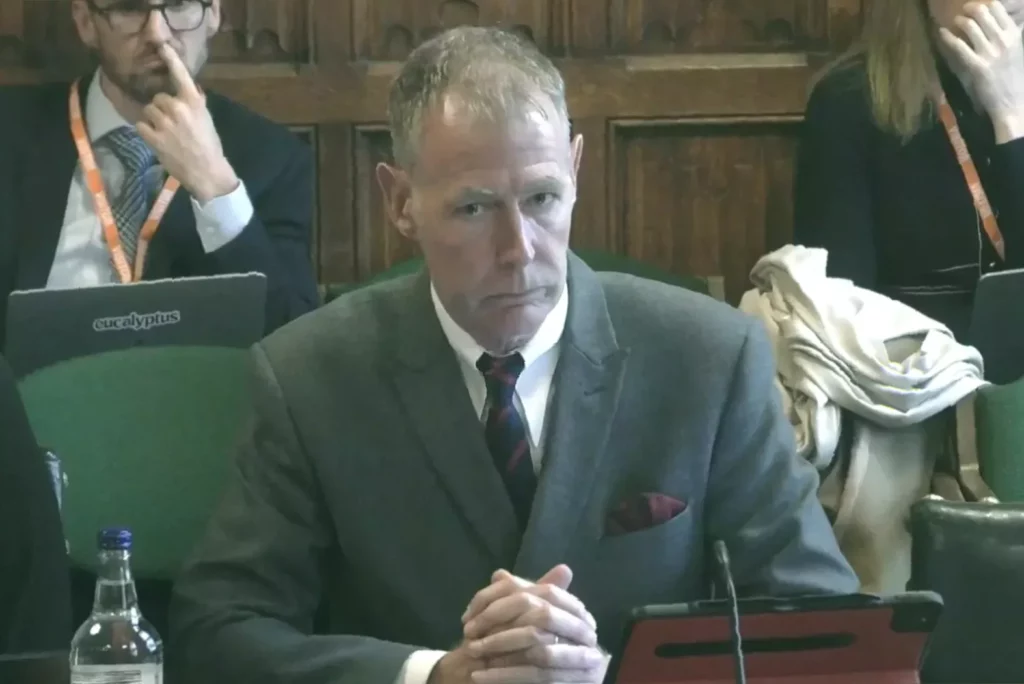
Andy Morling, the head of the criminal enforcement unit at the Medicines and Healthcare products Regulatory Agency (MHRA), told MPs that criminals are drawn to the trade “solely to make money”. While he said the comparison to class A drug trafficking was not his direct experience, he acknowledged that the profits from black market medicines are “equivalent, if not in excess” in some situations. His comments came after Layla Moran, the chair of the Health and Social Care Committee, cited the former head of drugs threat at the National Crime Agency, Tony Saggers, who had described the supply as being “as bad as the illicit drugs like cocaine and heroin”.
The ‘extraordinary unhelpful’ blur between a jab and a cosmetic
Central to the boom in this dangerous market, according to Mr Morling, is a profound and “extraordinary unhelpful” blurring of the lines between a regulated medicine and a cosmetic treatment. This ambiguity, he argued, has developed over the last 18 months to two years and leaves many buyers unaware they are even purchasing from the black market.

“I honestly believe that a lot of people that are buying these products from the black market don’t know they’re buying from the black market,” he said. The regulator observes a spectrum of online sellers, from genuine prescribers to outright illegal operators, with a concerning middle ground where illicit sellers create fronts that mimic legitimate online pharmacies or cosmetic clinics.
This blurring is particularly acute for drugs like semaglutide (Wegovy) and tirzepatide (Mounjaro), known as GLP-1 weight loss jabs. They are potent prescription-only medicines with strict clinical criteria for use. However, their promotion and sale on social media platforms and by unregistered sellers, often alongside Botox and dermal fillers, can misleadingly frame them as lifestyle or aesthetic enhancements rather than serious medications.
The tragic potential of this confusion was laid bare in the case of Karen McGonigal, 53, who died in May last year. Her daughters claim her death came days after she was illegally administered a dose of semaglutide by a local Botox provider. Greater Manchester Police have arrested individuals in connection with her death on suspicion of manslaughter and supplying a controlled substance. “One death associated with these products is one too many,” Mr Morling told the committee.

The risks of black market medicines are severe. The MHRA warns they can be counterfeit, tampered with, or expired. Even when the seized product contains the genuine active ingredient—as is the case “99 times out of 100” for GLP-1 drugs, according to Mr Morling—the manufacturing process is unverified. “The sterility is questionable, the dosage is questionable,” he said. Some counterfeit injections have been found to contain bacteria, posing a direct infection risk.
Enforcement seizures and regulatory hurdles
The MHRA’s enforcement unit has been scaling up its response. In the last three years, it has seized approximately 81,000 doses of GLP-1 drugs. The scale of the wider problem is vast: in 2025 alone, the agency seized almost 20 million doses of illegally traded medicines worth nearly £45 million, including over 5,000 GLP-1 products. That October, it executed what it believes was the largest single global seizure of trafficked weight-loss medicines, taking over 2,000 unlicensed pens and raw ingredients from a Northampton warehouse.
To disrupt the criminal economics, the agency’s financial investigators denied criminals access to over £2.1 million in assets linked to the trade in 2025. However, policing the online space remains a challenge. The MHRA has 55 officers patrolling the internet for illegal sellers, but only half a dozen are dedicated to scanning social media posts. Mr Morling noted the regulator’s limited power over tech firms, stating, “We can ask them to [take posts down], we can’t compel them to. I think ultimately it’s a social media company to determine.”

Other regulators are also acting. The General Pharmaceutical Council has tightened rules for online pharmacies, which as of February 2025 can no longer prescribe high-risk medications like weight-loss jabs based solely on an online questionnaire. Information like BMI must now be independently verified.
The committee also heard from private online providers, who stated that around 20% of their patients meet the strict NHS criteria for weight loss jabs, suggesting a overlap with state-funded care. While Mr Morling characterised “inappropriate prescribing” as “its own evil”, he was clear that “accessing through the black market is by far the bigger evil.” The MHRA continues to urge public vigilance through its #FakeMeds campaign and asks anyone with suspicions to report via its Yellow Card scheme.