


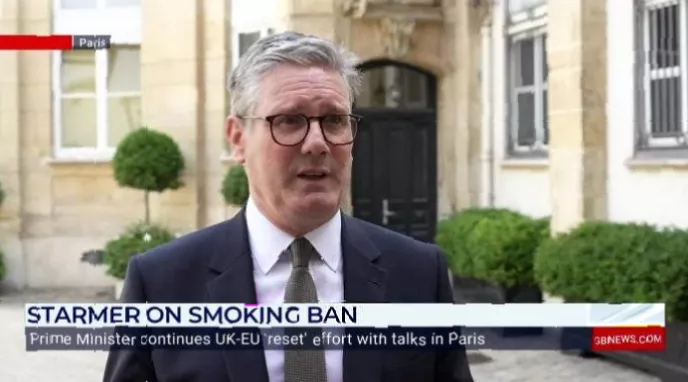
Britain has enacted one of the world’s most stringent anti-smoking laws, permanently banning the sale of tobacco to anyone born on or after 1 January 2009. The Tobacco and Vapes Bill, which has cleared Parliament and awaits only Royal Assent to become law, means a 15-year-old today will never legally be able to buy cigarettes.
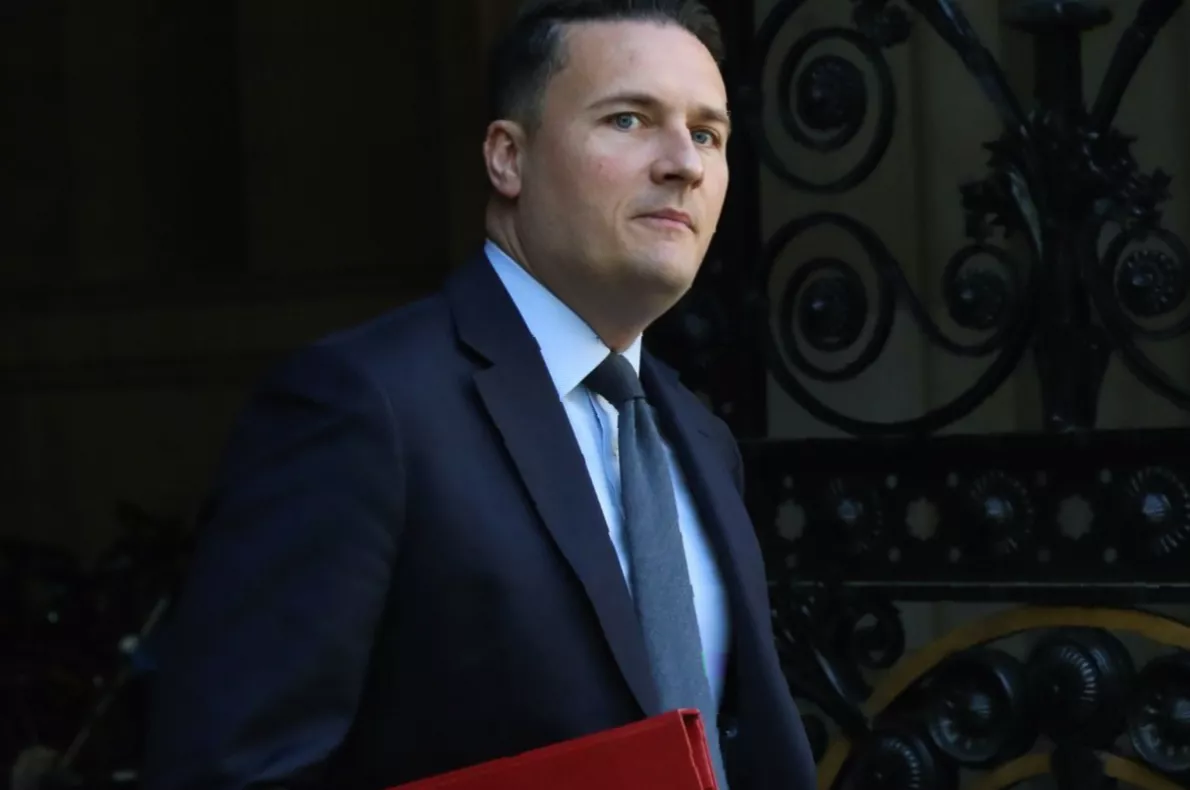
The legislation, described by Health Secretary Wes Streeting as “a historic moment for the nation’s health”, is designed to create the UK’s first “smoke-free generation”. From 1 January 2027, it will be illegal for retailers to sell tobacco or herbal smoking products to anyone whose birthdate falls on or after the 2009 cutoff. The government anticipates this measure will ultimately phase out tobacco sales across the population as older generations age.
The policy represents a fundamental shift from raising the fixed legal age to a “generational ban”. Ministers argue it will break a cycle of addiction that has burdened the NHS and wider society for decades. “Children in the UK will be part of the first smoke-free generation, protected from a lifetime of addiction and harm,” Mr Streeting declared.
Expanding smoke-free spaces
Beyond the age restriction, the bill grants ministers enhanced powers to curb smoking and vaping in public. Smoking will be banned in children’s playgrounds and the areas immediately outside schools and hospitals. A separate ban on vaping in cars carrying children will also be introduced, building on existing restrictions.
The government’s case is built upon the staggering economic and human cost of smoking. In England alone, smoking is blamed for approximately 64,000 deaths and 400,000 hospital admissions each year. The direct treatment of tobacco-related conditions, such as cancer and heart disease, costs the NHS an estimated £3 billion annually.
The broader societal toll is far higher. Research from Action on Smoking and Health (ASH) suggests smoking costs society in England £43.7 billion every year when factors like lost productivity and social care are included. Another government estimate places the cost of diminished productivity alone at between £21.3 billion and £27.6 billion annually. This financial burden significantly outweighs the revenue from tobacco duty, which raised £6.8 billion in England in 2024 against a cost to public finances of £16.5 billion.
Public health leaders have hailed the legislation. Hazel Cheeseman, chief executive of ASH, called it “a decisive turning point for public health”, stating “the end of smoking, and the devastating harm it causes, is no longer uncertain – it’s inevitable.” Sarah Sleet of Asthma and Lung UK praised the “landmark piece of legislation”, saying it means “the tobacco industry will no longer be able to wreak havoc on the lungs of the next generation.”
The bill concludes a parliamentary journey that began with its introduction in November 2024. It passed its final Commons vote by 366 to 41 in March 2025 before undergoing detailed scrutiny and amendment in the House of Lords, a process finalised on 21 April 2026.
However, the law faces strong opposition from transnational tobacco companies. Industry arguments, documented in research briefings, claim the youth smoking problem is not serious enough for such a measure, that enforcement will be difficult and will fuel a black market, and that the ban is unfair and discriminatory. Some companies have threatened legal action and lobbied for alternative measures like raising the purchase age to 21.
Representatives of the regulated vaping industry have also expressed reservations, warning that overly restrictive measures could backfire. Richard Begg from VPZ The Vaping Specialist cautioned that limits on vape flavours and availability “could unintentionally drive former smokers back to tobacco or into unregulated markets.” This concern follows the recent nationwide ban on single-use vapes, which came into force in June 2025 to combat underage use and environmental damage.
Public opinion on the generational ban appears divided. A YouGov survey of over 11,000 adults in England found 68% support, including 52% of current smokers. Yet a poll for The Freedom Association suggested nearly two-thirds of people oppose it. The government will hope the law replicates the public health benefits seen after the 2007 indoor smoking ban, which studies linked to reductions in heart attacks, childhood asthma admissions, and preterm births.