

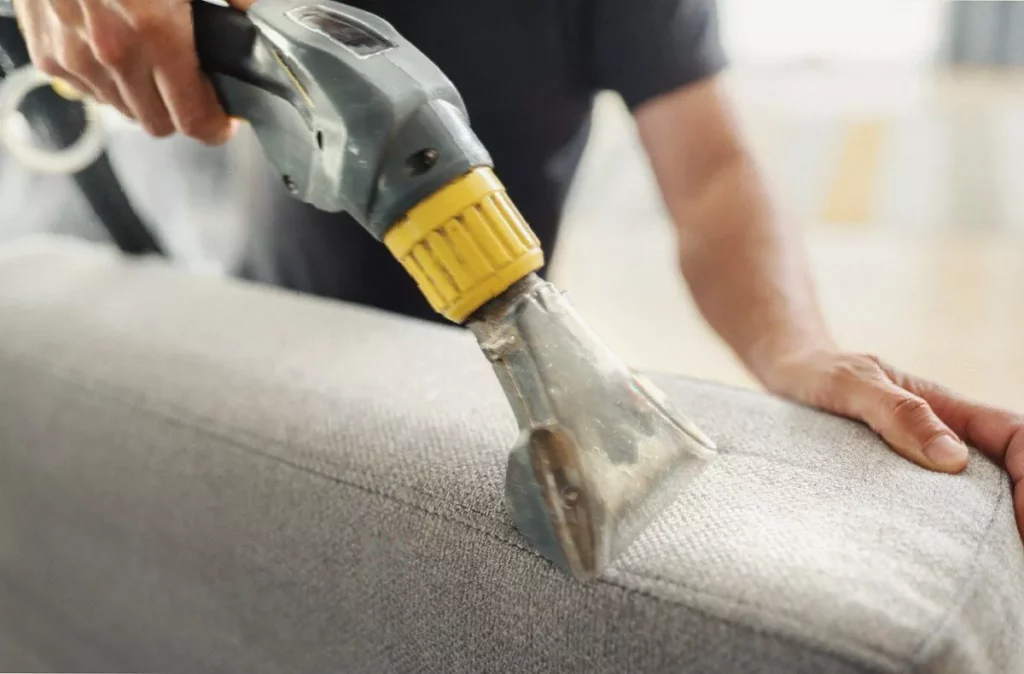
After nearly four decades, Britain is set to scrap a core fire safety rule that has compelled furniture manufacturers to saturate sofas and armchairs with potentially toxic chemical flame retardants. The Government has confirmed it plans to replace the longstanding “open flame test” with a new “smoulder-based standard”, a fundamental shift expected to drastically cut the use of these chemicals in UK homes.
The end of an era for furniture safety rules
The regulations in question, the Furniture and Furnishings (Fire Safety) Regulations 1988, were introduced following a concerning rise in fire-related deaths linked to the adoption of synthetic foam fillings. They mandated rigorous ignition tests that became among the strictest in the world. However, an investigation found it became “almost impossible” to pass the required open flame tests without deploying large amounts of chemical flame retardants, effectively making them a standard, hidden component of upholstered furniture.
This placed the UK and Ireland at odds with much of the developed world. These chemicals are not used in furniture across mainland Europe to the same extent, and the United States stopped mandating their use in furniture from 2013. In 2019, a House of Commons Environmental Audit Committee inquiry concluded the UK regulations were ineffective and recommended immediate change, adding to the sustained pressure from campaigners like former lawyer Delyth Fetherston-Dilke.
The Department for Business and Trade, which is spearheading the reforms, stated its aim is to “maintain a high level of fire safety while meaningfully reducing chemical flame retardant use.” The proposed new approach focuses on smoulder resistance, which often starts with the cover fabric, and is designed to facilitate innovation and the use of alternative, inherently fire-resistant materials.
A hidden health risk in the home
Campaigners have long argued that the well-intentioned rules created a significant, unintended health hazard. Delyth Fetherston-Dilke warned they fostered “a hidden health risk in people’s homes,” turning everyday furniture into a major source of chemical exposure.

The science underpinning these concerns is extensive and alarming. Researchers have repeatedly shown that flame-retardant chemicals do not remain locked in foam; they migrate out into household dust, where they are inhaled or ingested. Scientists at Imperial College London have warned that “exposure is unavoidable,” with infants and young children disproportionately affected due to hand-to-mouth behaviours and close contact with floors and furniture.
Decades of peer-reviewed studies, cited by Imperial and others, detail a daunting list of potential health effects linked to these substances. These include disrupted thyroid and sex hormones, impaired fertility, birth defects, and immune system interference. Neurodevelopmental impacts are a major concern, with evidence pointing to risks of reduced IQ, attention problems, and hyperactivity in children.
The cancer risk is also under scrutiny. The World Health Organisation’s International Agency for Research on Cancer recently classified Tris(chloropropyl) phosphate (TCPP) – one of the flame retardants widely used in UK furniture – as “probably carcinogenic to humans.” Furthermore, some scientists question whether the chemicals even deliver a net safety benefit, as research indicates they can increase the toxicity of smoke in a fire, releasing higher levels of lethal carbon monoxide and hydrogen cyanide.
The persistence of these chemicals means the risk lingers for years. Substances banned decades ago continue to be detected, largely because they remain in older furniture still in use. Evidence of widespread exposure is stark: a study by scientists from the National University of Ireland Galway, University of Birmingham and the Food Safety Authority of Ireland found flame-retardant chemicals in breast milk samples from Irish mothers. While within current safety limits, it confirms exposure is ongoing and pervasive.

The new approach: smoulder over flame
The central reform is the move from an open flame ignition test to a smoulder-based standard. This approach, similar to one adopted by California in 2013, focuses on preventing fires from starting in the cover fabric, a common ignition point. Studies following the US change suggest this can be achieved without an increase in furniture fire deaths, and without relying on chemical treatments in foam.
The UK government’s consultation on reforming the 1988 regulations has progressed, with recent developments showing a shifting timeline and a notable interim change: certain baby and young children’s products have been removed from the scope of the rules, acknowledging that for these items, the chemical risk may outweigh the fire risk. This was a key recommendation from the 2019 parliamentary inquiry.
Stakeholder views on the overhaul are mixed. The National Fire Chiefs Council has expressed support for the draft new safety requirements, while the Fire Brigades Union opposes the plans, viewing them as deregulatory. The Federation of Small Businesses has welcomed measures to ease burdens on firms. Environmental charity Fidra, while welcoming the removal of baby products, calls for stronger imminent action, stating the old regulations have stifled innovation and that there is no evidence they improved fire safety outcomes.
The path forward aims to balance safety with harm reduction. As the Department for Business and Trade works on the final reforms, the goal is to close a 40-year chapter where fire safety rules inadvertently mandated a cocktail of chemicals into the nation’s living rooms, and to open a new one prioritising both safety from fire and safety from hidden toxicity.