

Pharmaceutical companies involved in President Donald Trump’s flagship pricing initiative have increased the list prices of 337 drugs since the start of the year, according to a new Senate analysis, despite the administration’s promises to deliver the world’s lowest costs.
The report from Senator Bernie Sanders, the ranking member of the Senate Health, Education, Labor and Pensions Committee, cites data from price-tracking software NAVLIN. It states that all but one of the 16 drugmakers that signed voluntary “Most-Favored-Nation” agreements with the White House have raised prices since those deals were struck. The companies, which include Johnson & Johnson, Merck, Pfizer, and Eli Lilly, implemented hikes on treatments for cancer, multiple sclerosis, and cell and gene therapies, with some annual costs rising by over $14,000.
The limits of a discount platform
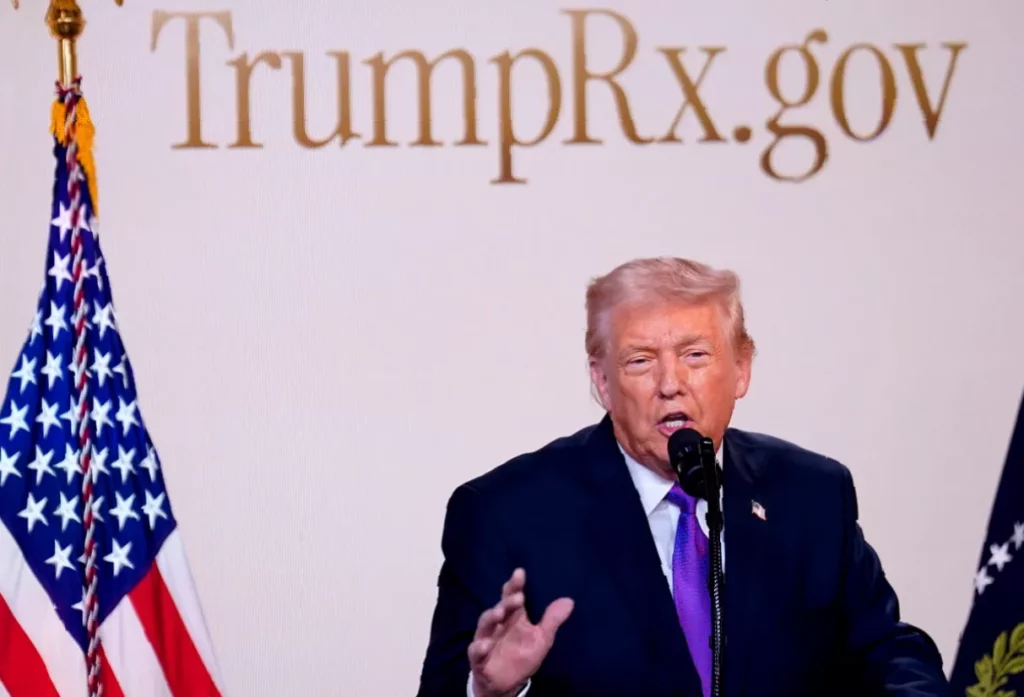
At the centre of the dispute is the administration’s TrumpRx platform, launched in October 2025. The government-operated website was intended to allow cash-paying patients to buy certain drugs directly from manufacturers at prices benchmarked against those in other developed nations. For example, the White House stated that under new agreements, the diabetes drug Ozempic would be priced at $350 per month on the site, down from a list price of $1000.
However, Senator Sanders’ report argues the platform “does not appear to provide meaningful savings to patients” and highlights a critical flaw: it omits lower-cost generic alternatives for some of the medicines it offers. “Instead of promoting the lowest cost drugs, TrumpRx may actually drive patients toward more expensive drugs,” the report concludes. “That doesn’t benefit patients; it lines the pockets of the drug companies who signed the MFN deals.”
The White House strongly rejects the report’s focus. Spokesman Kush Desai told The Independent that it “fixates on prescription drug list prices, which are meaningless because they do not reflect the actual purchase prices that patients pay at the pharmacy counter.” He argued that Bureau of Labor Statistics data, which tracks what patients actually pay, shows prescription drug prices have declined since President Trump took office and have just registered their largest three-month fall since the 1960s.
This underscores a persistent debate in drug pricing: the difference between the published list price and the net price after rebates and discounts negotiated by insurers. The full details of the MFN agreements have not been made public, complicating an assessment of their full impact.
Rising profits and new drug prices
The Senate analysis paints a picture of robust financial health for the sector. It reports that the collective annual profits of the involved drugmakers increased from $107 billion in 2024 to $177 billion in 2025. Furthermore, these companies have launched 23 new drugs since President Trump took office, with an average annual launch price of approximately $353,000.
The price hikes identified in the report are part of a consistent industry pattern. Independent analyses have shown that pharmaceutical companies have raised list prices on hundreds of brand-name medicines at the start of each year. Data from the non-profit 46brooklyn indicated over 575 brand-name drugs saw increases in January 2025, with a median rise of 4%. Similarly, an analysis by Reuters using data from 3 Axis Advisors found plans to raise prices on at least 350 medications in early 2026.
This occurs against a backdrop where US drug prices are significantly higher than in peer nations. Studies have shown Americans can pay more than ten times the price for the same drugs as patients in France or the UK.
Legislative response and public concern
In response to these trends, Senator Sanders and other senators have introduced new legislation. The proposed law would require drug companies to lower US prices to match the average price in five peer countries: Canada, France, Germany, Japan, and the United Kingdom. If they refused, the government would be mandated to approve low-cost generic alternatives to the brand-name products.
“If the president is serious about taking on the greed of the pharmaceutical industry, he should support legislation I introduced to cut drug prices by more than half and ensure Americans pay no more than the Europeans or Canadians, saving over $180 billion a year,” Senator Sanders said.
Public anxiety over drug costs remains high. A March 2026 poll by the health policy non-profit KFF found 59% of adults were worried about affording their prescriptions, the highest share since 2018. It also reported that about four in ten adults have skipped doses, cut pills in half, or not taken medication as prescribed due to cost. This aligns with earlier KFF data cited in the Senate report, which found nearly a third of US adults have used over-the-counter drugs instead of prescriptions due to high costs.
The report was released ahead of a Senate HELP committee hearing focused on drug prices, continuing a long-standing political battle over who bears responsibility for the high cost of medicines in the United States.