

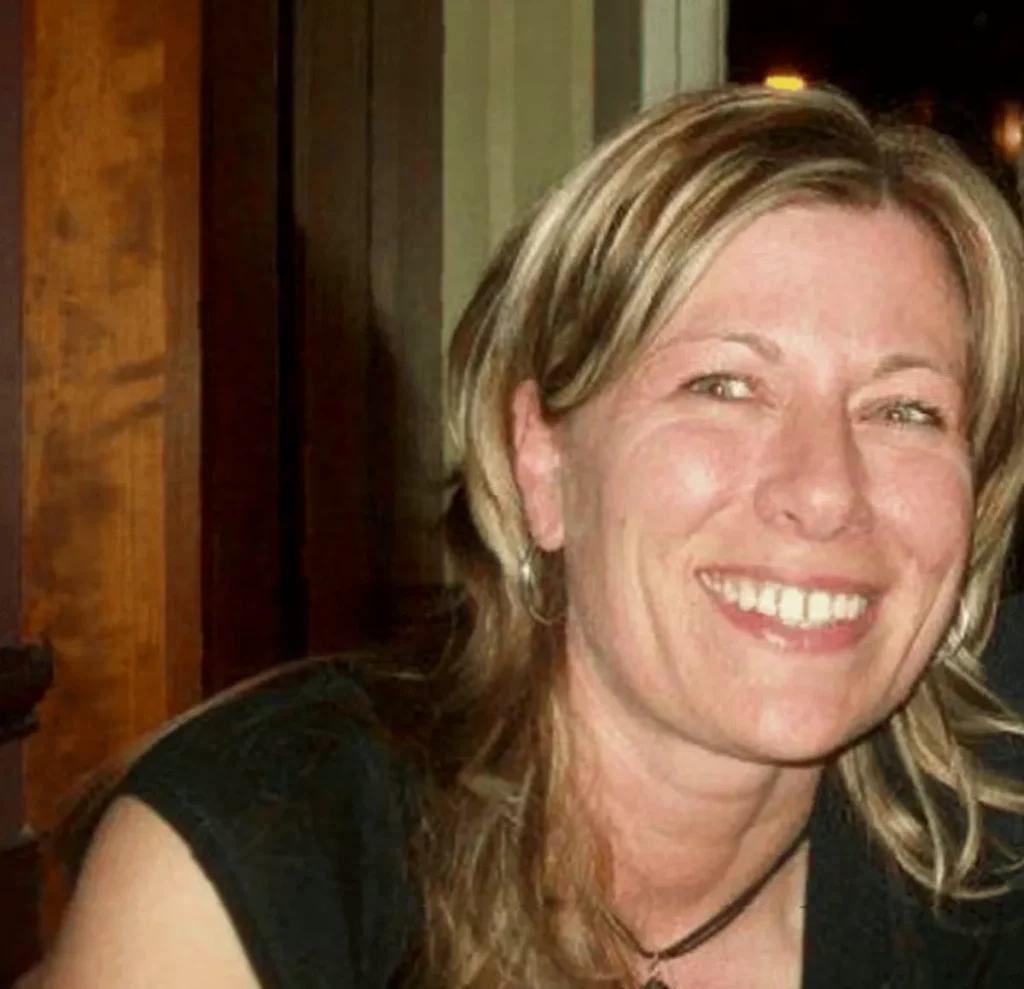
Five Britons a month are reportedly using a Swiss assisted suicide clinic that does not require applicants to be physically ill, according to figures associated with the Pegasos Swiss Association. The non-profit organisation, founded in August 2019 by right-to-die activist Ruedi Habegger, handles approximately 65 cases per year from the United Kingdom, with British citizens making up 18 per cent of what it terms “Pegasos supporters” — those who pay an annual contribution to the group.
Among those helped by the clinic was Wendy Duffy, a 56-year-old woman from the West Midlands who died at the facility in Basel on 24 April after struggling to cope with the death of her only child. Her son Marcus, 23, choked on a sandwich that became lodged in his windpipe, starving his brain of oxygen. Duffy, who had previously attempted to take her own life, paid the clinic £10,000 for an assisted death. Her siblings knew she had applied.
Ruedi Habegger confirmed the procedure, telling the Daily Mail: “I can confirm that Wendy Duffy, at her own request, was assisted to die on 24 April and that the procedure was completed without incident and in full compliance with her wishes. I can also confirm that neither we nor any of the professional staff assessing her mental capacity had any doubt as to her intention, understanding and independence of both thought and action. In historical terms, at English law, hers was a case of ‘sane suicide’.”
How Pegasos decides who qualifies
Pegasos’ mission statement asserts that “it is the human right of every rational adult of sound mind, regardless of state of health, to choose the manner and timing of their death.” The clinic operates a “minimal-bureaucracy approach” to assisted suicide and does not require applicants to show evidence of physical illness or terminal disease. Swiss law permits assisted suicide provided the motive of those assisting is not selfish and the individual has decision-making capacity and control over the final act. Applicants must be over 18.
Pegasos will only reject someone who fails a psychiatric assessment to prove they have the mental capacity to decide to end their life — a requirement under Swiss law. While there is a presumption of capacity, a psychiatric evaluation may be triggered if a neurological or mental health diagnosis is present. The clinic has been noted for its inclusive eligibility, accepting individuals citing reasons such as advanced age, loss of quality of life or existential distress.

Under Swiss rules, the person choosing to die must perform the final act themselves. Pegasos uses a device that allows even tetraplegic individuals to initiate the infusion. The organisation emphasises that the choice must be the individual’s own, stable over time and free from coercion.
The cost of a voluntary assisted death at Pegasos is approximately CHF 10,000 (around £10,000), covering paperwork, consultations, the procedure, drugs, cremation and courier of ashes. The fee is typically paid in two instalments: a deposit upon application and the remainder when the date is scheduled.
The clinic was initially based in Liestal, near Basel, but has since moved to a purpose-built office and assisted dying suite in Roderis, in the canton of Solothurn. It also owns a hotel next door for clients. Pegasos is believed to be larger than Dignitas in terms of capacity, with estimates suggesting it can handle more than 350 assisted deaths per year, though it may not be operating at full capacity.
Perry Davenport, a spokesman for Pegasos, said the reason people come to the clinic is that it has a “wider interpretation” of who is eligible for an assisted death than Dignitas. He said: “Everything that happens here is very strictly controlled and monitored. You have to have mental capacity to make a decision and there is a thorough psychiatric examination. But just because someone is depressed doesn’t mean to say they are not mentally competent.” Davenport, who was with Duffy when she died, described her final moments: “She had a beautiful death. She was so happy to be joining her son on the other side.”

Another woman, aged 61, told The Times she had been accepted for an assisted death at Pegasos after suffering from depression for more than 40 years. She said she had thought about suicide “every single day” since her mental condition worsened in 2019 and discovered the clinic around two years ago. After submitting the required documents, Pegasos informed her via a Zoom call that she had been accepted. She has since paid the £10,000 fee to formalise the arrangement but has yet to set a date to travel. The woman stressed that Pegasos requires one month’s notice, so it is not possible to “wake up one morning and decide to go”. She said: “Having made this decision means that I don’t have to think about suicide every single day. I still think about it on the worst days and I still start to plan on the worst days, but I know that I’ve got Pegasos who will help me if all else fails.”
However, not all families have been at peace with the clinic’s operations. Anne Canning, 51, from Wales, died at Pegasos in January 2025, grieving the sudden death of her only son months earlier. She travelled to the clinic in secret, telling no one. Her sister, Delia Canning, said the family only learned of the decision after receiving goodbye letters from Switzerland, where they thought Anne was on holiday. Days later came a two-line email from Pegasos confirming the death. “The impact Anne’s decision had on us was more about the shock and horror that such a thing could be arranged and executed in such a short timeframe, in absolute secret from all loved ones, with no other avenues being explored first,” Delia Canning said. “How could she have been in the right frame of mind to not think that the whole family would be completely torn apart and devastated? Somebody who is thinking that way is not very well. They need help, not a lethal injection.” Anne’s brother, David Canning, also expressed outrage, describing the process as too quick and lacking proper assessment.
In a separate case from 2023, Alistair Hamilton, 47, travelled to Pegasos after telling his family he was going to Paris. He was reportedly suffering from an undiagnosed health condition. His family complained about the lack of communication and transparency from the clinic, and the Metropolitan Police, Foreign Office and Interpol were involved in discovering his death.
Family notification has become a persistent controversy. While Pegasos claims to do its best to ensure loved ones are informed, relatives have reported being notified via letters, emails or WhatsApp messages, sometimes after the death has occurred. Critics, including Dr Gordon Macdonald of the campaign group Care Not Killing, have described the clinic’s willingness to assist physically healthy individuals as “absolutely disgraceful”. Some local residents in Roderis have also expressed unease about the clinic’s presence in their community.

UK assisted dying legislation stalls
The revelations about Pegasos come as the Terminally Ill Adults (End of Life) Bill — legislation that would have legalised assisted dying for terminally ill, mentally competent adults in England and Wales — failed to pass before the end of the parliamentary session. The bill had progressed through the House of Commons in two votes but stalled in the House of Lords after more than 1,200 amendments were tabled. It proposed allowing adults with fewer than six months to live to apply for an assisted death, subject to the approval of two doctors and an expert panel. Wendy Duffy’s case, lacking any terminal physical illness, would not have met those conditions.
Assisting a suicide is illegal in England and Wales under the Suicide Act 1961, carrying a maximum penalty of 14 years’ imprisonment. Supporters of the bill have vowed to reintroduce it in the next parliamentary session, though it would have to start the legislative process from scratch. Under current law, an estimated five Britons each month continue to travel to Switzerland to end their lives at facilities such as Pegasos.
If you are experiencing feelings of distress or struggling to cope, you can speak to Samaritans, in confidence, on 116 123 (UK and ROI), email [email protected], or visit the Samaritans website to find details of your nearest branch.
The Terminally Ill Adults (End of Life) Bill ran out of time in the House of Lords last month, following more than 1,200 amendments.