


Millions of Britons face rationing of a vital blood pressure drug after the Government issued a serious shortage notice for ramipril, restricting patients to just one month’s supply at a time. The Department of Health and Social Care introduced the Serious Shortage Protocol, designated SSP087, for ramipril 1.25mg capsules on 22 April 2026, with the measure in force until at least 29 May 2026. Under the protocol, where a pharmacist dispenses a reduced quantity, no prescription charges apply for that strength.
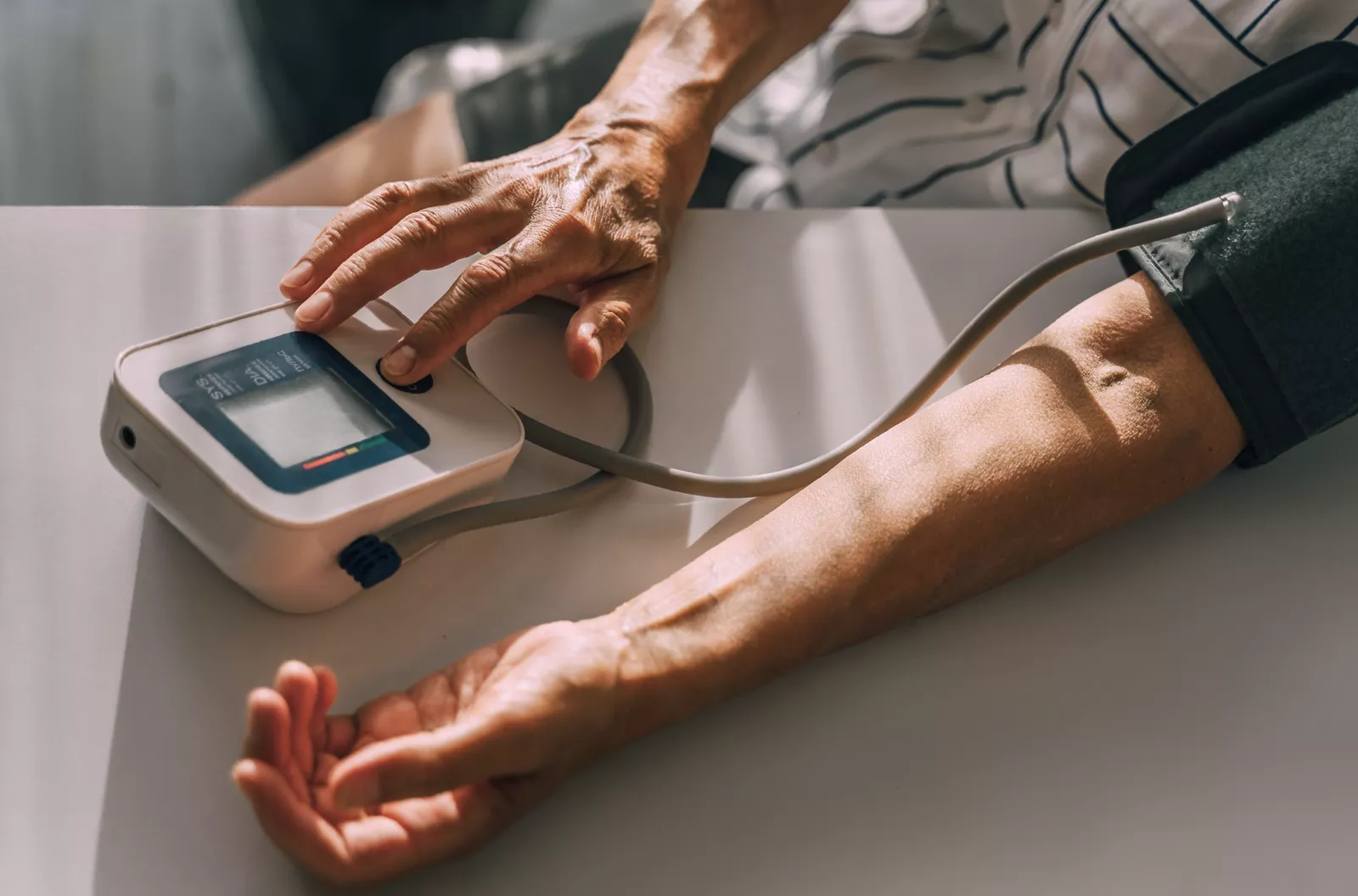
Ramipril works by relaxing blood vessels, enabling the heart to pump blood more efficiently. It is one of the five most frequently dispensed medications in England: NHS figures show pharmacies handed out ramipril more than 35 million times last year alone, and three million items of ramipril are prescribed every month in England. Nationwide, over 29.3 million prescriptions for the drug were issued in 2019. The scale of reliance reflects the prevalence of high blood pressure, which affects an estimated 14 million adults across the UK. The condition often presents no symptoms until serious damage occurs and significantly increases the risk of heart attacks, strokes, kidney failure and dementia.
Clinicians have been advised not to start new patients on ramipril 1.25mg capsules until the supply issue is resolved, and prescribers are urged to consider alternative ACE inhibitors or angiotensin‑II receptor blockers (ARBs) if patients have insufficient stock. Available low‑dose alternatives include lisinopril 2.5mg tablets, losartan 25mg tablets and candesartan 4mg tablets. Ramipril is also available in 1.25mg and 2.5mg tablets and as an oral solution, but current supplies of those formulations cannot meet the surge in demand. Olivier Picard, chair of the National Pharmacy Association, voiced alarm at the developing crisis, telling Sun Health: “We are concerned by this recent shortage, with a number of pharmacies being unable to order some strengths of Ramipril as well as seeing the cost soar in recent weeks, in instances where stock can be found.” He stressed that millions of patients depend on the medication daily and cautioned that alternative treatments must be carefully managed to avoid triggering further supply problems.
Global supply chain disruptions threaten wider shortages
The ramipril crisis is unfolding against a backdrop of far deeper fragility in the international medicines supply chain. Pharmacy leaders and medicines wholesalers report that several manufacturers are “receiving only around a quarter of their usual volumes due to the conflict in Iran”. Dr Leyla Hannbeck, chief executive of the Independent Pharmacies Association, warned that “the closure of the Strait of Hormuz is going to make this worse over the coming weeks.” The Strait of Hormuz is a critical chokepoint for global shipping, and its disruption has driven up freight costs, caused delivery delays and created procurement uncertainty for essential medicines.
NHS England chief executive Sir Jim Mackey said at the end of March that the health service faces potential shortages of medicines alongside critical supplies such as syringes and gloves, adding that the service could be days away from running out of some products. Health experts have cautioned that without a resolution to the Middle East conflict, the NHS could exhaust supplies of common prescription drugs and vital cancer treatments as early as June. The strain is already visible in a record number of price concessions noted by Community Pharmacy England, an indicator of severe pressure on the supply chain.
Beyond ramipril, other medicines have experienced or are currently experiencing shortages, including aspirin, co‑codamol, propranolol, atorvastatin chewable tablets, Ritalin, and various HRT, ADHD and epilepsy medications. The root causes extend beyond international instability. Olivier Picard highlighted that “fragility in the global supply chain is worsened by international instability and the fact that long‑term underfunding of pharmacies has driven down the price for medicines in the UK to unsustainable levels.” The UK relies heavily on manufacturing hubs in India and China for active pharmaceutical ingredients, leaving it exposed to any global disruption.
A House of Lords committee report published in February concluded that medicine shortages in Britain constitute a national security matter deserving greater priority from policymakers, criticising the Government’s reactive approach and calling for more proactive leadership and better oversight. The ramipril shortage itself is expected to persist until the end of May, with the Medicine Supply Notification issued on 23 April indicating intermittent supply issues. The situation has forced pharmacies to subsidise the cost of medicines, with some losing significant amounts each month as they absorb soaring prices to maintain supply for their patients.