

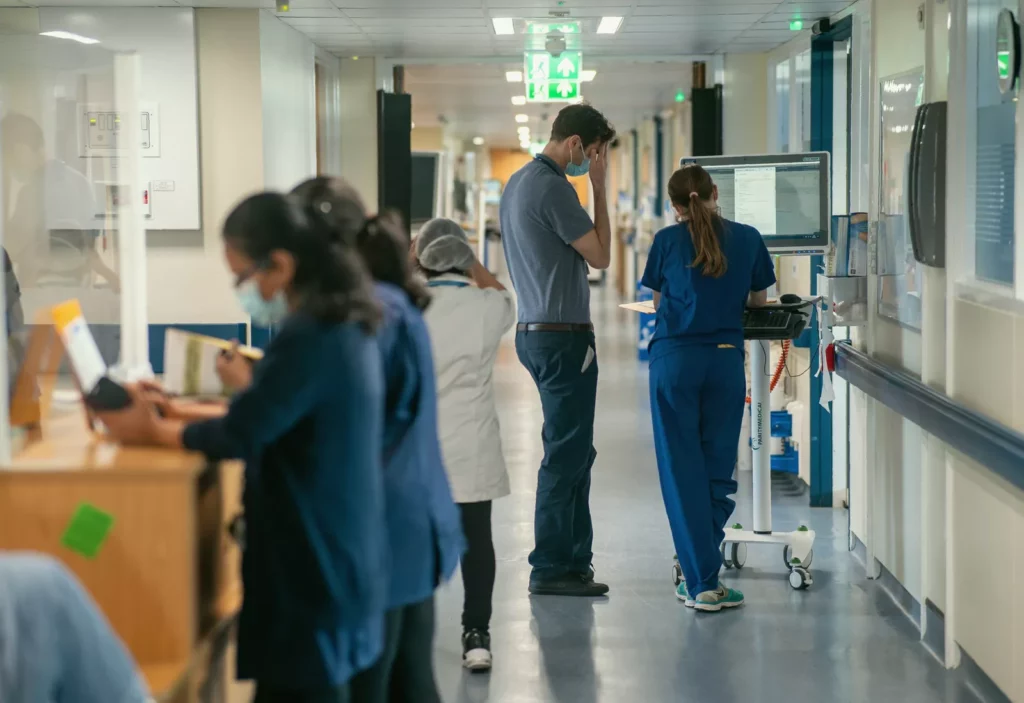
Over £15 billion of public money committed during the Covid-19 pandemic has been formally written off, with billions more unaccounted for, exposing what Oxford University researchers describe as a deep-seated financial crisis within Britain’s public health infrastructure.
A Black Hole of Pandemic Waste
The investigation by Oxford experts Professor Carl Heneghan and Dr Tom Jefferson, who have previously conducted independent evaluations for the government, concludes the true scale of losses has never been fully revealed. Drawing on official accounts, National Audit Office reports, and parliamentary findings, they depict a pattern of colossal emergency spending followed by weak controls and massive write-offs.
The single greatest drain has been pandemic supplies. According to government accounts, nearly £15 billion worth of PPE, medicines, tests, and vaccines have been written off. Purchased in huge volumes during the crisis, this stock was later judged unnecessary, left to expire, or was found to be unusable. In real terms, this sum exceeds the annual budget of many government departments and could have funded the construction of multiple major hospitals.
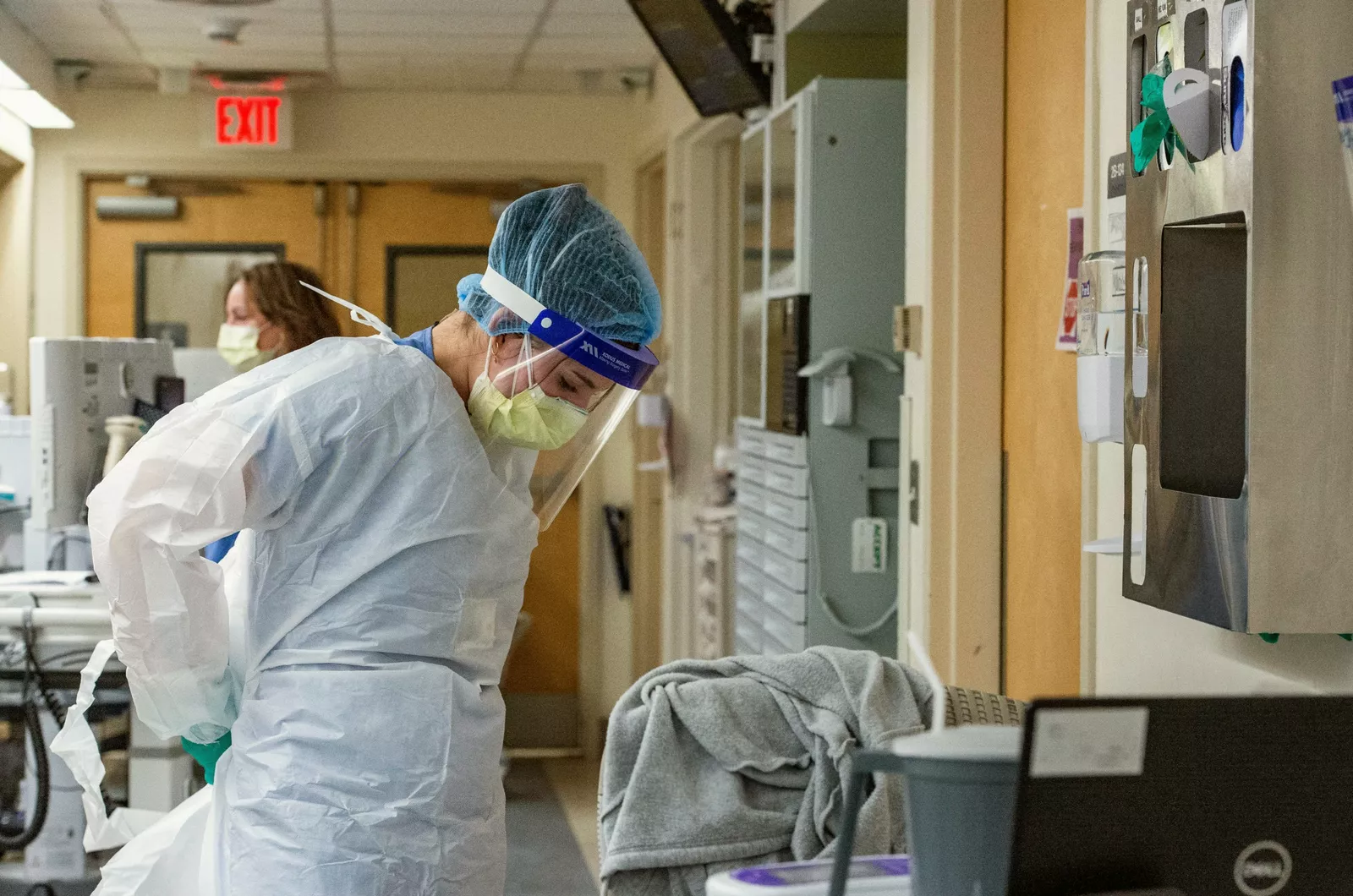
The waste is starkly illustrated by several specific failures. Of the £13.6 billion spent on PPE between 2020 and 2022, £9.9 billion’s worth was deemed unusable or had plummeted in value. One contract alone, with Full Support Healthcare, accounted for £1.4 billion of destroyed or written-off equipment. By September 2024, over 1 million pallets of PPE, originally costing £8.644 billion, had been recycled or burnt for energy.
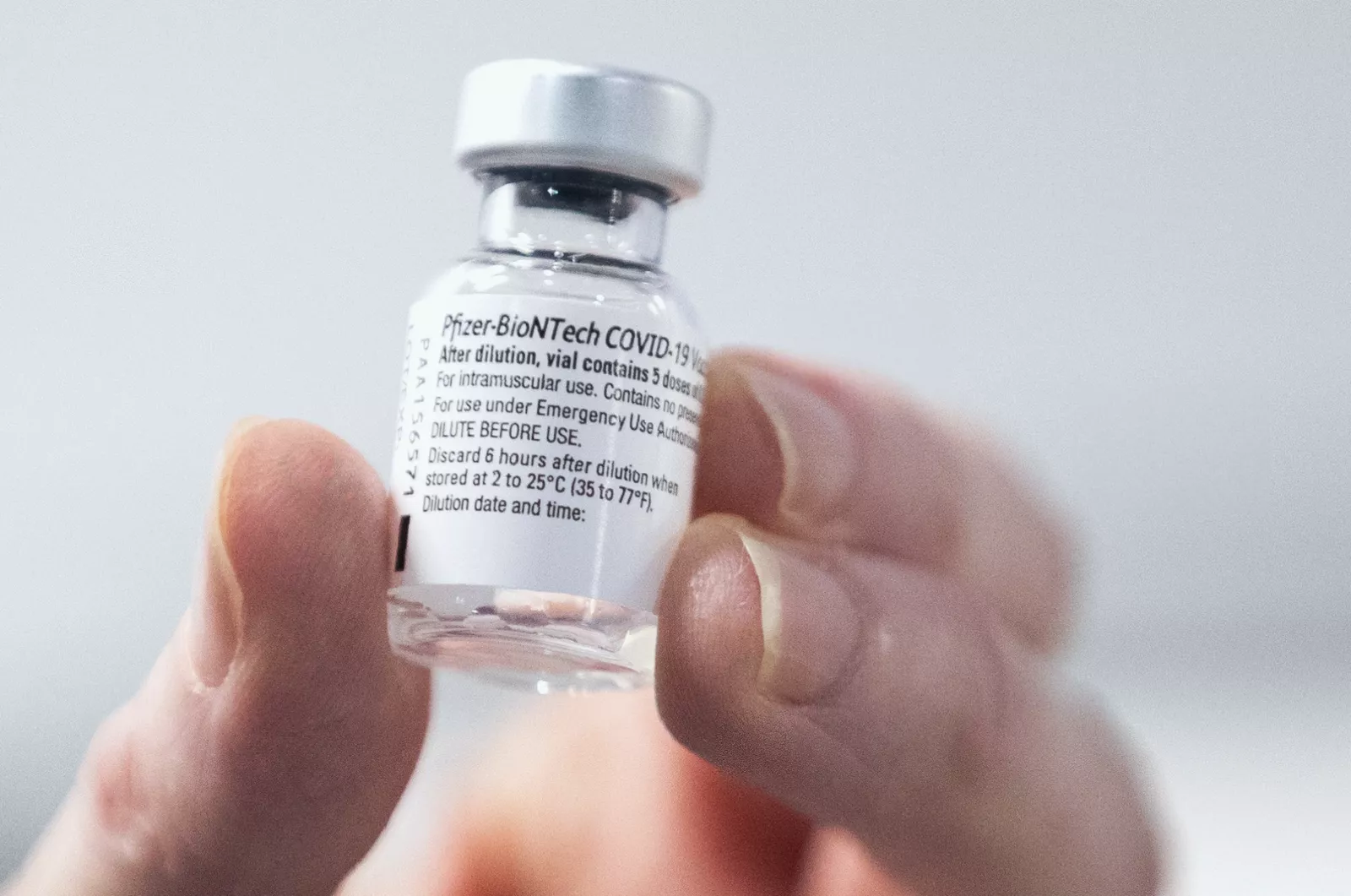
The vaccine programme, while successful in rollout, also led to significant write-offs. Around £1.7 billion in emergency preparedness spending was written off in 2023-24, including over £1 billion for Covid-19 vaccines that expired unused. In one instance in November 2021, over 600,000 AstraZeneca doses expired and were destroyed. NHS England separately wrote off £4.8 million for unused vaccines in 2022/23, citing excessive storage costs.
The Accountability Vacuum at the UK Health Security Agency
At the centre of these financial failures sits the UK Health Security Agency (UKHSA), the body created during the pandemic to oversee health protection. Auditors have found that £3.3 billion of stock transferred from the disbanded NHS Test and Trace service to the UKHSA could not be properly tracked, with incomplete records and missing inventory. MPs on the Public Accounts Committee have labelled these “completely staggering” accounting failings.
However, the problems run deeper than poor record-keeping. In a damning report in May 2024, the Public Accounts Committee stated that weaknesses in the UKHSA’s financial controls made it impossible to determine if taxpayer money was spent as Parliament intended. This was the second consecutive year the agency’s accounts were fundamentally weak and unable to be properly audited. The committee highlighted a “fundamental absence of governance” and noted that the UKHSA’s chief executive, Dame Jenny Harries, lacked prior technical experience in running a complex organisation.
The agency failed to perform basic financial controls, such as bank reconciliations. Its challenges were compounded by a major restructuring that saw staff numbers cut from 18,000 to 6,700 full-time equivalents. Critics, including the Taxpayers’ Alliance, point to this as evidence of wider “financial and institutional dysfunction” across government, where weak oversight fails to restrain huge budgets.
Professor Heneghan and Dr Jefferson argue that accountability is systematically blurred by constant reorganisation, ministerial changes, and officials moving on before projects finish. The UKHSA itself has had several leadership changes since its creation, making it harder to pin responsibility on individuals for past decisions.
A Flagship Project Spiralling Out of Control
The cycle of soaring costs and weak scrutiny is perhaps best exemplified by a flagship UKHSA project: the new biosecurity science hub in Harlow, Essex. Originally budgeted at approximately £530 million, the latest government estimates suggest the final bill will be around £3.2 billion—an increase of over six times. The project is nearly five years behind schedule, with completion now planned for the 2030s.
Around £400 million has already been spent, yet no buildings have been completed. The Oxford researchers cite this as a classic case of a project becoming too politically significant to cancel, even as its costs multiply beyond all reason.
In response to the broader criticisms, a Department of Health and Social Care spokesperson said the government was ensuring past mistakes were not repeated. They pointed to action on Covid fraud that had returned almost £400 million to the public purse and referenced a new Pandemic Preparedness Strategy, launched on 25 March 2026 and backed by approximately £1 billion, aimed at rebuilding readiness for future threats.