

The majority of people in Britain using cannabis to treat medical conditions are forced to source it from illegal dealers, according to a major new study, laying bare the stark failure of a system legalised seven years ago.
The Persistence of the Black Market
Research from the University of Bath, based on surveys of over 4,000 UK cannabis users, found that less than three per cent sourced their cannabis via an NHS prescription. Only 4.3 per cent used a private prescription. Strikingly, among those who did hold a prescription, only 11 per cent actually obtained their cannabis through that legal route. The most common source for all users was a dealer, followed by a private retailer.
The study suggests almost half of all cannabis consumers use the drug for health reasons. Yet, within this group, more than a third had not obtained a prescription, while just one in seven had. The researchers, Elle Wadsworth, David Hammond and Tom Freeman, concluded that medical cannabis prescriptions “may not be addressing the needs of the people reporting consuming cannabis medically,” as the illegal market continues to be widely utilised.
The Narrow Gateway to an NHS Prescription
The central reason for this reliance on illicit sources is the extreme difficulty of accessing medicinal cannabis through the National Health Service. Since its legalisation in November 2018, NHS prescriptions have remained exceptionally rare, with estimates suggesting fewer than five are issued per month across England.
Access is tightly restricted to specific, severe conditions: rare and severe forms of epilepsy; chemotherapy-induced nausea and vomiting; and muscle stiffness and spasms in multiple sclerosis where other treatments have failed. Critically, prescriptions can only be issued by specialist hospital doctors, not by GPs, and doctors have received limited guidance from official bodies like the National Institute for Health and Care Excellence (NICE), hindering wider adoption.
This has created a two-tier system. While the NHS offers a handful of licensed medicines like Sativex or Epidyolex, the broader range of unlicensed cannabis-based products for medicinal use (CBPMs), including dried flower, is almost exclusively the domain of the private sector.
The Costly “Wild West” of Private Clinics
With the NHS gateway all but closed, patients have turned to a burgeoning private sector. The number of private CBPM items prescribed in England surged from approximately 150,000 in 2022/23 to nearly 347,000 in 2023/24—an increase of over 130% in a single year. It is estimated there are now between 80,000 and 90,000 medical cannabis patients in the UK, with over 99% of prescriptions issued privately.
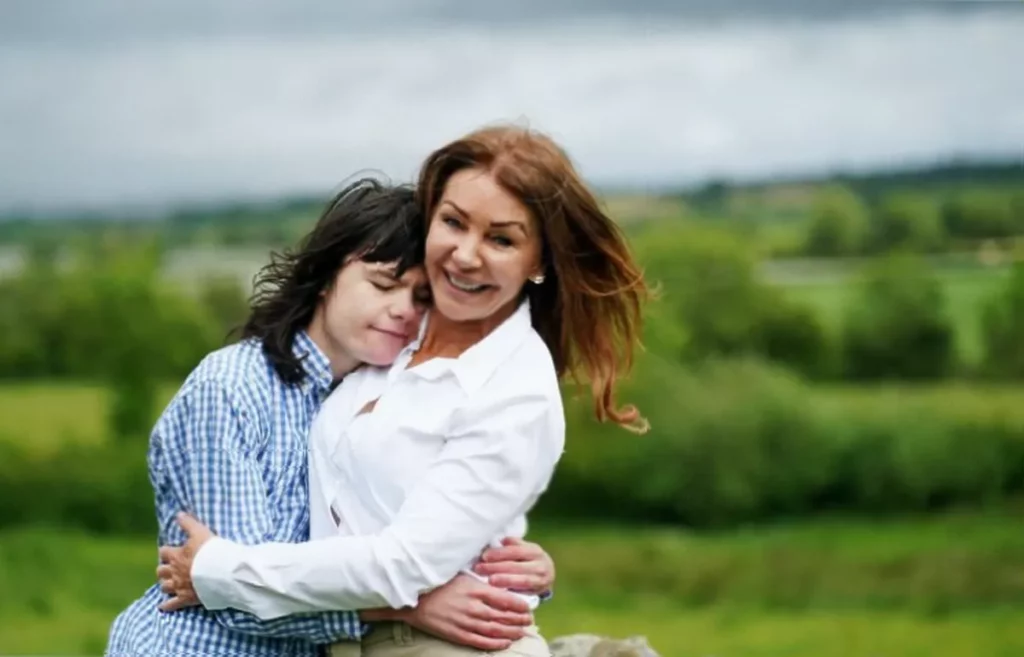
However, this private avenue presents its own severe barriers. Prescriptions can cost between £150 and £800 per month, and in some cases up to £2,000, placing them out of reach for many. Campaigners like Charlotte Caldwell, whose fight for her son’s medicine helped change the law, warn that patients are being forced into a “wild west” of private providers, vulnerable to rogue operators due to the lack of NHS availability.
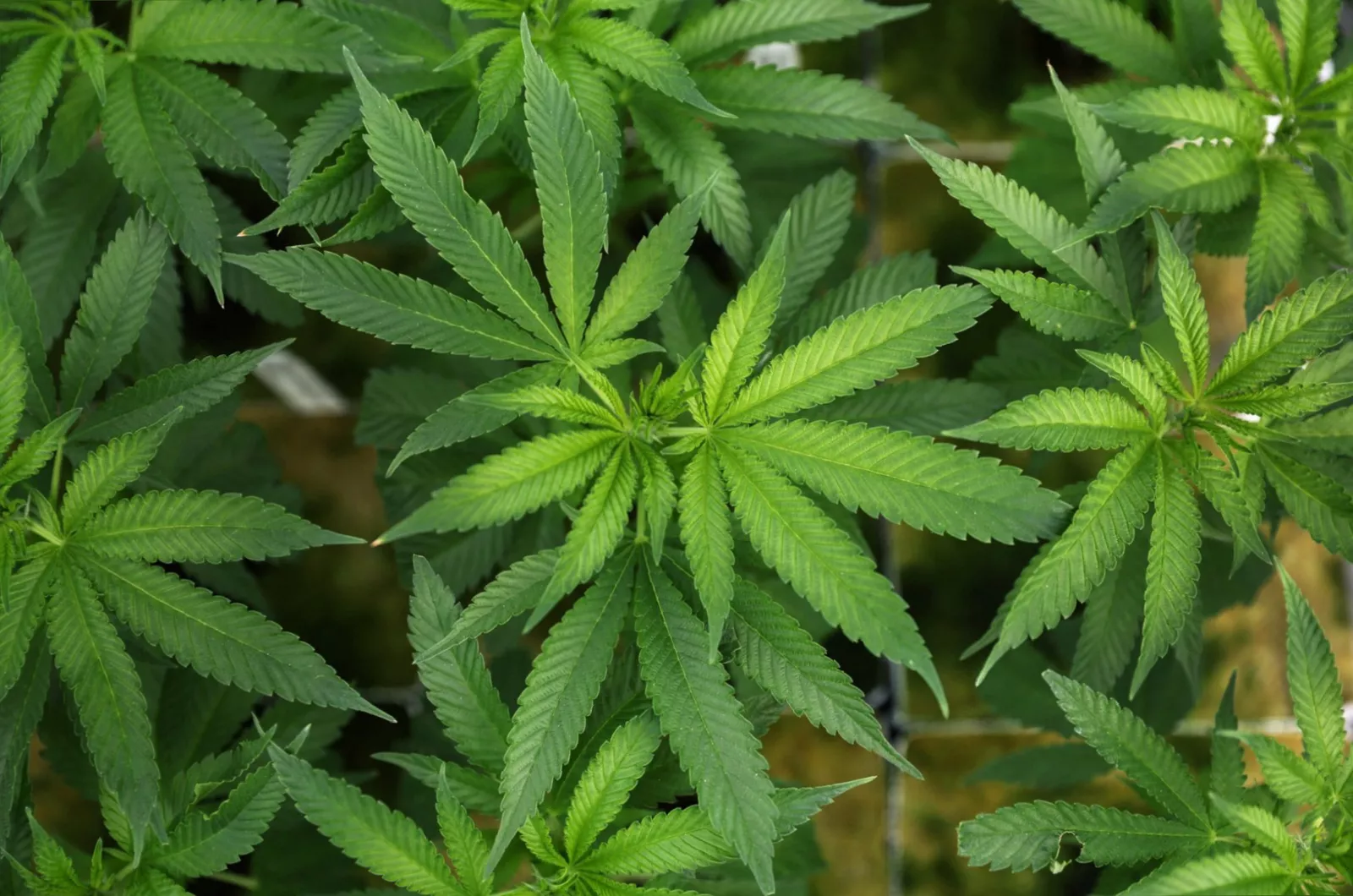
Approximately 20 to 25 specialist clinics now operate in the UK, but concerns have been raised about aggressive marketing and prescribing practices that some experts suggest push the boundaries of regulations, potentially appealing to recreational consumers.
High Potency and Heightened Risk
The study identified a particularly worrying trend: those with a prescription were more likely to use higher-potency cannabis products, such as hash and edibles, and used them more frequently than those without one. This correlates with a significantly higher risk of cannabis use disorder, a form of addiction.
The research found 75% of those with a prescription were deemed high-risk users, exhibiting signs of the disorder, compared to 46% of medicinal users without a prescription. This aligns with national data showing cannabis dependence rates in England have nearly doubled over the past decade, a rise linked to increasing product potency.
The NHS warns that products bought online, where many turn, are of unknown quality and content and may be “dangerous”. Using high-THC products carries risks of addiction and developing psychotic illnesses such as schizophrenia. The researchers called for health professionals to clearly outline these risks to patients.
Meanwhile, the legal market itself operates within strict confines. While dried flower for vaping, oils, and capsules can be prescribed, products like hash and most edibles remain illegal for general sale. The Home Office states that THC edibles can only be legally prescribed under the medical cannabis programme if strict criteria are met.
The University of Bath study noted that the people most likely to have obtained a prescription were men aged 26 to 45, with at least a college or vocational education, living in London—highlighting issues of demographic and geographic inequality in access. With a legal framework failing to meet patient need, the illegal market continues to thrive, exposing vulnerable individuals to significant health risks and criminality.