

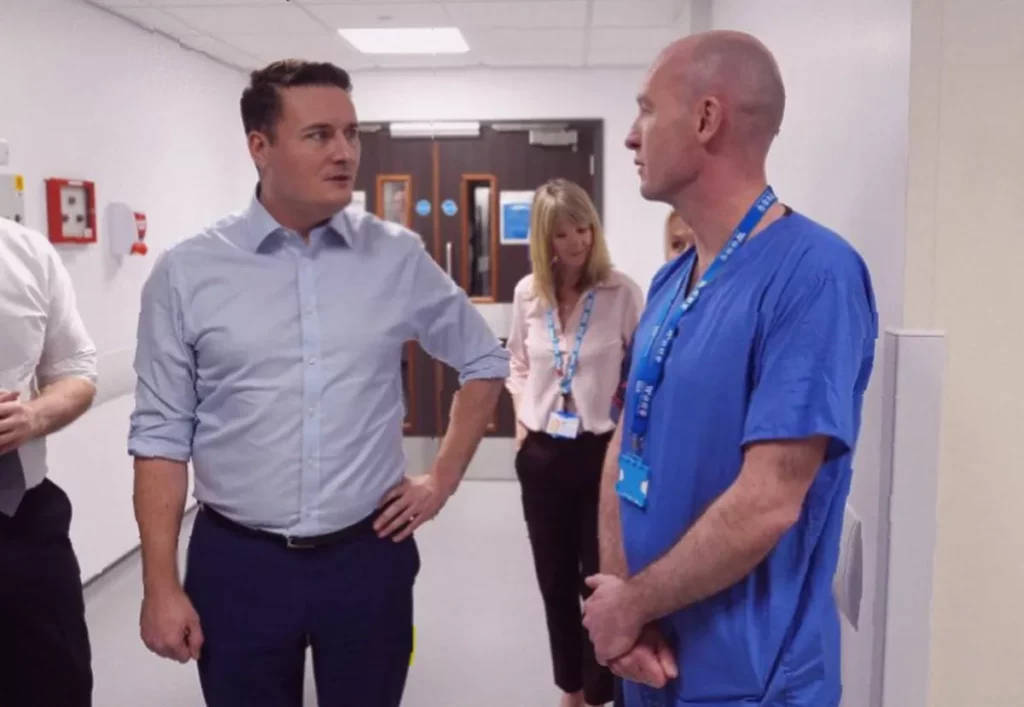
The government will provide grants for an extra 2,000 young people from the most deprived parts of England to pursue medical degrees, as part of a drive to break down the “class ceiling” in the NHS, the Health Secretary has announced.
Wes Streeting has pledged to increase by 50% the proportion of students who received free school meals being accepted into medical school by 2035. A £2.3 million fund will support the students through government-funded medicine access courses over the next three years, which include placements and summer schools to boost university applications.
Barriers to medicine and new nursing routes
Announcing the measures, the Department of Health and Social Care stated that careers in medicine are often out of reach because schools and families in disadvantaged communities frequently lack the knowledge to guide students towards the profession. It highlighted that subjects like biology, chemistry, and physics are essential stepping stones but are not always encouraged early enough.
Official data shows one third of schools in England have never had a pupil apply to medical school, and around half have never had a student accepted. The University Clinical Aptitude Test (UCAT) can also act as a financial and logistical barrier for students from less affluent homes.
Alongside the push for more doctors, a further £65.4 million will create an additional 2,000 nursing apprenticeships in areas facing the greatest training shortages and highest levels of deprivation. These “earn-while-you-learn” opportunities, delivered via partnerships between NHS trusts, universities, and training providers, are designed to allow people to build skilled careers without incurring upfront costs or leaving their communities.
Duncan Burton, Chief Nursing Officer for England, said the investment would “help us build the skilled nursing workforce the NHS needs, while supporting social mobility.” The initiative aligns with the NHS Long Term Workforce Plan, which projected a significant expansion of apprenticeships.
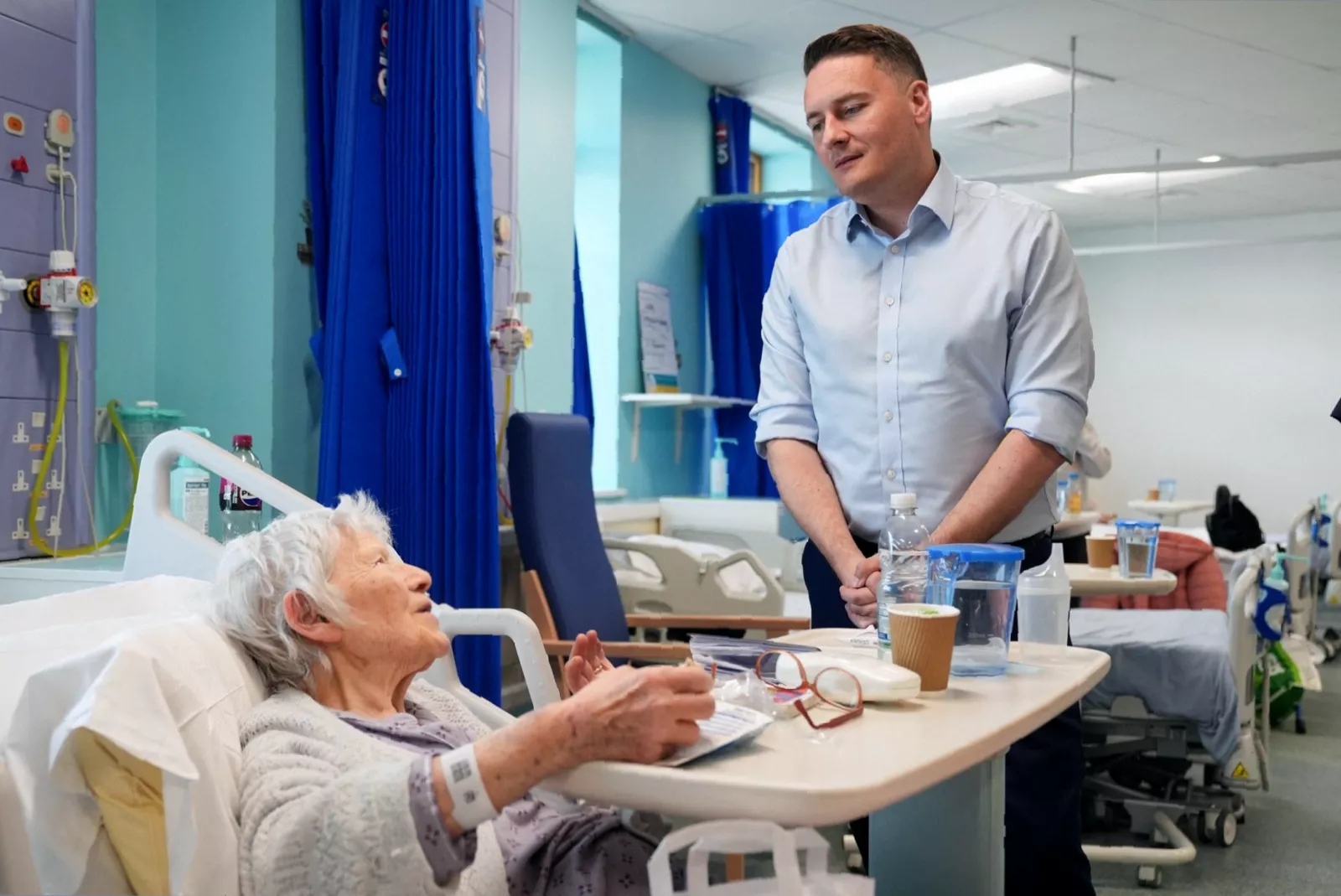
A broader push on diversity and retention
The new access courses for aspiring doctors will be run in partnership with NHS England, the Sutton Trust, the Social Mobility Foundation, and the Medical Schools Council. The government stated this expands on existing NHS England-funded partnerships that have seen around 75% of participating students go on to study medicine or related degrees.
In a personal article, Mr Streeting, who grew up on a council estate in Stepney and attended Cambridge University after attending a Sutton Trust summer school, said his aim was to “change the odds for everyone.” He wrote, “The irony is that the NHS does not always live those values [of equality] itself,” noting that many medical professionals are the children of doctors, while too few come from backgrounds like his.
The broader context reveals the scale of the challenge. In 2021, only 5% of UK medical school entrants were from the lowest socio-economic group. The Medical Schools Council has its own “Fostering Potential” objectives, aiming for 33% of medical students to come from disadvantaged backgrounds by 2032.
To help retain doctors from disadvantaged backgrounds who face higher relocation costs, the government will trial a three-year pilot where resident doctors stay in one place for longer, easing financial burdens. The Department also plans to expand or reallocate medical school places to areas with poorer health outcomes or ageing populations to train more doctors locally.
A further £15 million in funding will expand a separate programme to support around 3,000 young people from deprived communities into NHS entry-level roles or training, such as back-office positions. In its first year, that programme offered career paths to nearly 3,500 people.