

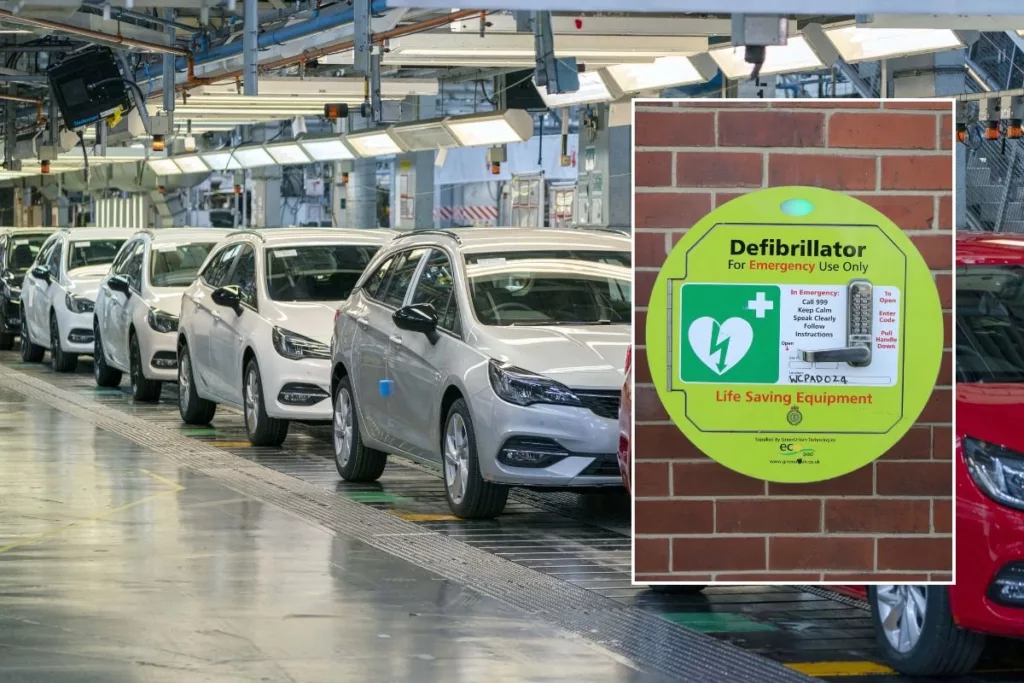
Three-quarters of Britons believe Automated External Defibrillators (AEDs) should be compulsory in every new car sold in the UK, according to research backing a fresh campaign for legislation ahead of the King’s Speech.
Public backing for mandated AEDs
Polling found that 74 per cent of people support making defibrillators a standard feature in new vehicles. The figure comes from the JumpStart health campaign, which has spent the past nine months lobbying the Government to introduce the requirement. The proposal has drawn support from Parliamentarians across both Houses, the campaign says, and would also require the devices to be maintained through the existing MOT testing framework.
With more than 40,000 out-of-hospital cardiac arrests occurring in the UK each year, the device network that would result from mandating AEDs in all new cars could rapidly become one of the largest in the world. JumpStart estimates that turning the country’s car fleet into a “life-saving public health resource” would put a defibrillator within reach in communities around the clock.
The JumpStart campaign and its proposal
The campaign is funded by philanthropist Jonathan Harris CBE and has engaged directly with the Department for Transport, the Department of Health and Social Care, and 10 Downing Street. Jon McLeod, campaign director of JumpStart, said: “With Parliament now prorogued and the King’s Speech just days away, this is the moment for the Government to act. Our proposal is simple, practical, and backed by three-quarters of the British public. Mandating defibrillators in new vehicles would turn the UK’s car fleet into a life-saving public health resource, putting a defibrillator within reach in communities across the country, around the clock.”
The proposal includes integrating the regular servicing of AEDs into the MOT test, ensuring devices remain functional. If all new cars sold were fitted with a defibrillator, the UK would quickly become one of the best-equipped nations for public-access defibrillation.
How car defibrillators can dramatically improve survival
The case for the policy rests on the stark difference a defibrillator can make in the critical minutes after a cardiac arrest. Currently, fewer than one in ten victims of out-of-hospital cardiac arrest survive. Yet early defibrillation – use of an AED within three to five minutes of collapse – can improve survival rates by up to 70 per cent.
That window is short because the heart’s electrical activity deteriorates rapidly. Every minute without defibrillation reduces the chance of survival by roughly 10 per cent. For the estimated 80 per cent of cardiac arrests that occur in or near the patient’s home, a defibrillator in a parked car on the street or in a neighbour’s vehicle could shave critical minutes off the time to a shock.
Despite more than 70 per cent of bystanders in England performing CPR, public-access defibrillators are used in fewer than 10 per cent of cases where they are available, according to data from the Resuscitation Council UK. That gap suggests many devices are simply out of reach when needed. Research also shows defibrillators are not evenly distributed – they are less common in deprived areas, where the nearest 24/7 accessible device can be over a mile away on average.
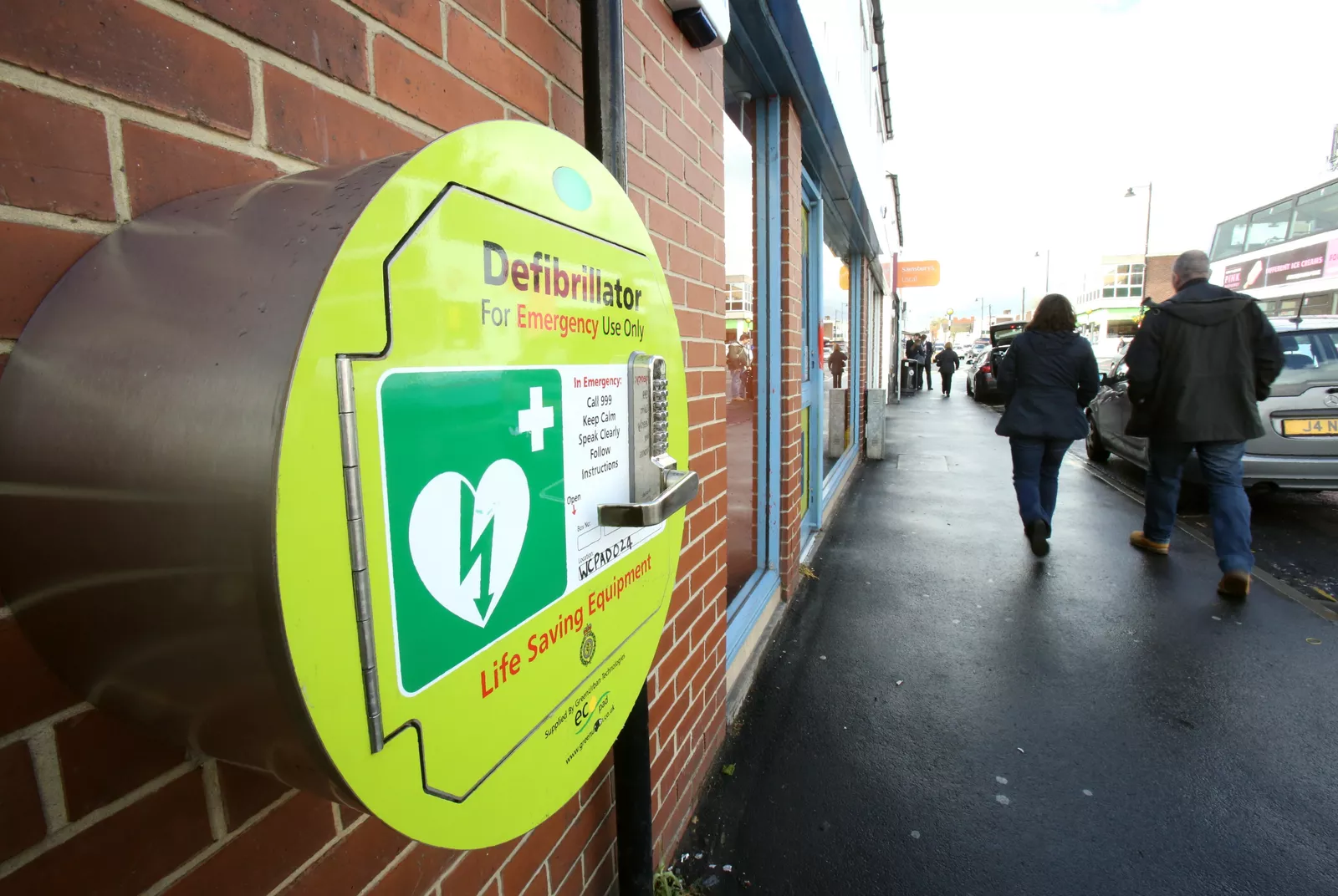
The UK’s National Defibrillator Network, known as The Circuit, now lists more than 100,000 devices across the country – a jump of 30,000 since September 2023. The network is run by the British Heart Foundation (BHF), in partnership with the Resuscitation Council UK, the Association of Ambulance Chief Executives (AACE), and the NHS. Just over 58 per cent of those devices are accessible around the clock. Yet tens of thousands more defibrillators remain unregistered, invisible to ambulance services and to the public-facing DefibFinder app. Putting an AED in every new car would not only increase the total number of devices but also ensure they are distributed everywhere cars go – covering gaps in the existing network.
A comparison with other developed nations underlines the scale of the UK’s challenge. Sweden records around 10,000 out-of-hospital cardiac arrests annually with a survival rate of about 5 per cent; Australia sees roughly 30,000 events with a 10 per cent survival rate. In England, the 30-day survival rate for out-of-hospital cardiac arrest stood at around 8 per cent in 2022, a slight decline from the previous year. Widespread automotive AEDs could push that figure much higher.
Government response and legislative timetable
Despite the public support and campaign pressure, the Department for Transport has confirmed it has no plans to introduce a mandate. A spokesperson told GB News: “The Government has no plans to make it a mandatory requirement to fit defibrillators in cars.” The department has previously noted that the Highway Code’s provisions on vehicle safety equipment are advisory and that compelling manufacturers to include specific items would require monitoring, ensuring serviceability, and would add cost.
The wider legislative picture remains fluid. King Charles will deliver the King’s Speech on 13 May 2026, formally opening Parliament and outlining the Government’s proposed policies. Several bills are expected to be announced, including the Armed Forces Bill, Courts and Tribunals Bill, Northern Ireland Troubles Bill and Railways Bill. Labour also confirmed that the King is expected to grant the Government the option to bring British Steel into public ownership. There has been no explicit indication that mandatory car defibrillators will feature in the legislative programme.
Separate from JumpStart’s push, an All Party Parliamentary Group on Defibrillators has called for all emergency service vehicles – police, ambulances and fire engines – to be required to carry AEDs. Meanwhile, in February 2026, Labour MP Charlotte Nichols submitted a written question to the Department for Transport asking about mandatory inclusion of defibrillators and bleed kits in new cars and company car leases. The response reiterated the advisory nature of existing Highway Code recommendations.
The Department for Transport has said it is reviewing recommendations for safety equipment in cars but has made no commitment to mandate AEDs.