

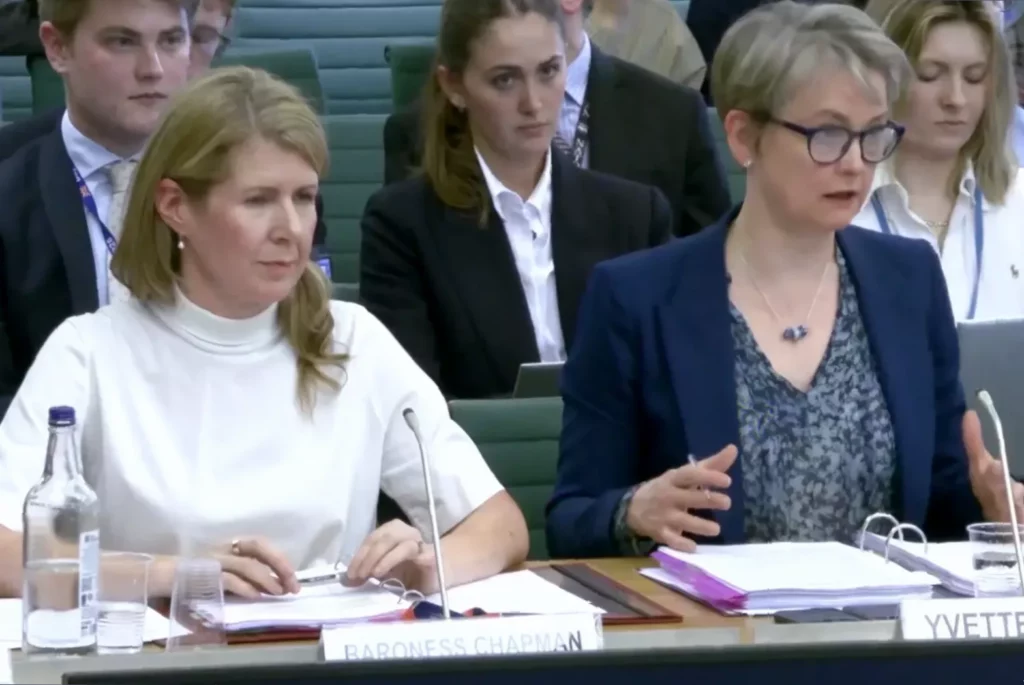
UK Foreign Secretary Yvette Cooper has declared the government “strongly disagrees” with the United States’ approach to global health assistance, setting out a stark divergence in international aid priorities following a dramatic expansion of American funding restrictions by the Trump administration.
The core of the disagreement lies in the US “Promoting Human Flourishing in Foreign Assistance” policy, the historic expansion of the so-called Mexico City Policy announced in January 2026. Originally a measure from 1984 restricting US funding for foreign organisations involved with abortion, the policy has been progressively widened. In 2017, it was expanded to cover nearly $9 billion in global health aid. The latest iteration now encompasses nearly all non-military foreign assistance administered by the State Department, potentially affecting around $40 billion in funding.
Under this expanded policy, organisations receiving US assistance—including US-based NGOs, multilateral bodies, and foreign governments—must ensure none of their activities, even those funded by other nations, conflict with Washington’s positions. The restrictions now extend beyond abortion to include diversity, equity, and inclusion (DEI) programmes and gender-affirming care. The requirements apply to new awards and existing grants when new funding is added, a move critics term the “Global Gag Rule.” Research into earlier versions of the policy indicates it has led to declines in contraceptive access, increases in unintended pregnancies, and a deterioration in maternal and child health outcomes in affected countries.
UK champions contrasting priorities despite own cuts
Addressing Parliament’s International Development Committee, Ms Cooper said the US stance “runs completely counter to our approach.” She affirmed the UK would continue to prioritise the very areas the US is restricting. “Things like sexual health services, and direct support for women and girls, and LGBT rights are hugely important parts of our development work and are rooted in core UK values,” she stated. Ms Cooper added that support for women and girls remains a priority and will be a central theme across the Foreign, Commonwealth and Development Office’s work.
This commitment comes against the backdrop of significant UK aid budget reductions. The government is cutting aid from 0.5% of Gross National Income (GNI) to 0.3% by 2027 to fund increased defence spending, a level representing the lowest UK aid spending since records began in 1970. Development Minister Jenny Chapman described this diminished budget as the “new normal,” stating the government is not treating the reduction as temporary.
Within these constraints, the UK is shifting its approach from being a “donor” to an “investor,” focusing on providing expertise and technical support. Minister Chapman told the committee the UK would continue to prioritise funding for water and sanitation, highlighting multilateral bodies like the World Bank as the most effective channel. “Money that’s spent by the World Bank, you get £10 invested for every £1 that we put in,” she said.
Funding specifics reveal hard choices and new compacts
The detailed impact of UK cuts is severe. Bilateral aid to African countries will be reduced by almost £900 million by 2028-29, a 56% cut. While funding for conflict zones like Palestine, Sudan, and Ukraine is protected, aid to all G20 countries except Turkey will be cut. The UK is also ending support for the Global Polio Eradication Initiative and the Pandemic Fund, and cutting overseas climate spending by over 10%.
A key multilateral commitment is a three-year £850 million grant to the Global Fund to Fight AIDS, Tuberculosis and Malaria. This represents a 15% cut on the previous £1 billion contribution and is the UK’s lowest pledge since 2010. Minister Chapman explained that two-thirds of this grant is scheduled for the final year because the UK must wait for other aid programmes to finish before funding becomes available. Aid agencies have warned this cut threatens progress against these diseases.
On HIV funding specifically, Baroness Chapman confirmed it would not be fully protected, expressing concern about the risk of increased rates, particularly among younger girls. She stressed that decisions were about securing past gains and boosting effectiveness, not simply backing out. “This is about making sure that we are able to secure the gains that we have made, before we move on,” she said.
Meanwhile, the US is pursuing a different model through bilateral “health compacts.” A prominent example is a $2.1 billion agreement with Nigeria signed in December 2025. The US State Department stated the compact includes “significant dedicated funding to support Christian health care facilities” and was “negotiated in connection with reforms the Nigerian government has made to prioritise protecting Christian populations.” Nigeria’s chief government spokesperson told The Independent such arrangements risk “fanning the flames” of division in a country split between Muslim and Christian populations. These compacts are seen as part of a broader US shift towards government-to-government assistance with high co-financing expectations.
Foreign Secretary Cooper, while acknowledging hard choices due to the UK’s reduced budget, insisted the country would remain a “major player” and the fifth biggest funder globally. She resisted a narrative of universal retreat on women’s rights, stating, “We and many other countries will continue to be champions for those issues.”