

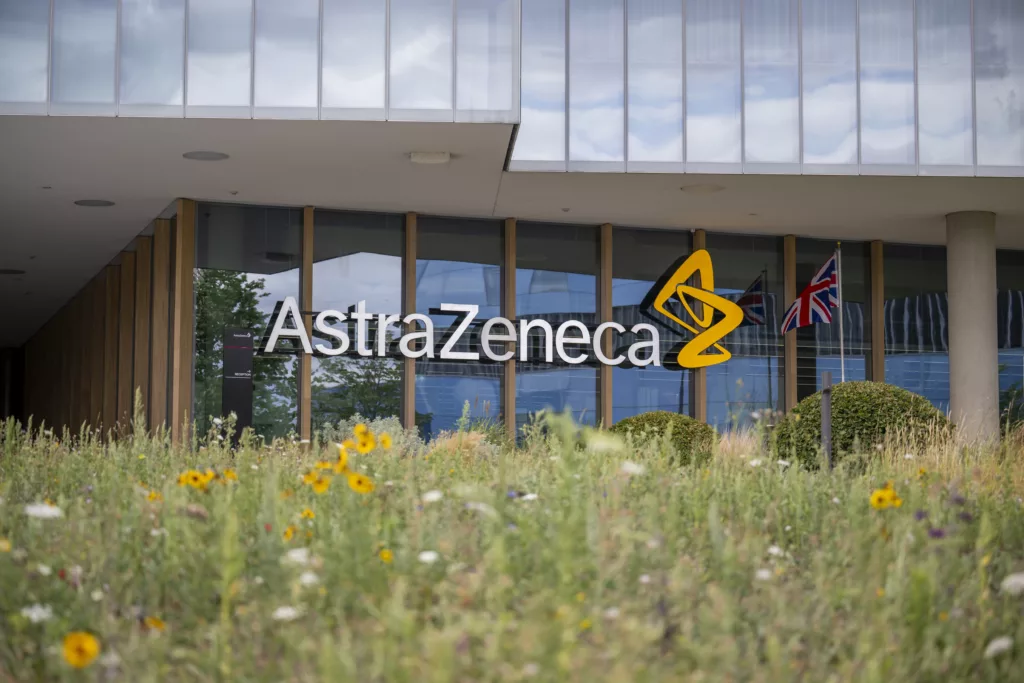
AstraZeneca has announced a surprise £300 million investment in the UK, marking a dramatic reversal from its previous decision to pause major expansion plans. The pharmaceutical giant will now press ahead with significant spending at its Cambridge and Macclesfield sites after months of uncertainty.
The company had previously halted a planned £200 million expansion of its Cambridge research site in September 2025 and scrapped a £450 million investment in a vaccine manufacturing plant in Merseyside in January 2025. Chief executive Pascal Soriot said at the time that the firm “couldn’t make the business case work and couldn’t make the investment economically viable.”
Investment Breakdown
Of the £300 million total, £200 million will be directed to AstraZeneca’s Cambridge Biomedical Campus to complete construction of the Rosalind Franklin Building. Named after the pioneering scientist whose X-ray crystallography work was fundamental to understanding the structure of DNA, the building will house scientists working on data analysis and molecular science.
The remaining £100 million will be invested in the Macclesfield site to build a “lab of the future” that will use digital and data tools to accelerate drug development. Prime Minister Sir Keir Starmer told Parliament the investment would “futureproof thousands of jobs in Macclesfield and in Cambridge,” describing it as “a major vote of confidence in the UK and Labour’s plans to strengthen our economy.”
Reasons Behind the U-Turn
Several government actions and policy changes have been credited with prompting AstraZeneca’s change of heart, with the most significant being the finalisation of a UK-US trade deal earlier this month. Under the agreement, British pharmaceutical exports will be exempt from American tariffs. The trade deal was first announced in December 2025 and is designed to improve the overall environment for pharmaceutical companies operating in the UK.
The UK government has also pledged to double its spending on innovative medicines as a proportion of GDP, raising it from 0.3 per cent to 0.6 per cent over the next decade. This commitment will be implemented gradually, with interim targets set for 2028, 2030 and 2036. In addition, the government intends to increase the share of the NHS budget allocated to medicines from 10 per cent to 12 per cent over the coming ten years.
Another critical factor was a change to the cost-effectiveness thresholds used by the National Institute for Health and Care Excellence (Nice). Previously set at £20,000 to £30,000 per Quality-Adjusted Life Year (QALY) gained, the new thresholds range from £25,000 to £35,000 per QALY. The change, effective from April 2026, is expected to allow Nice to recommend an additional three to five medicines or indications per year.
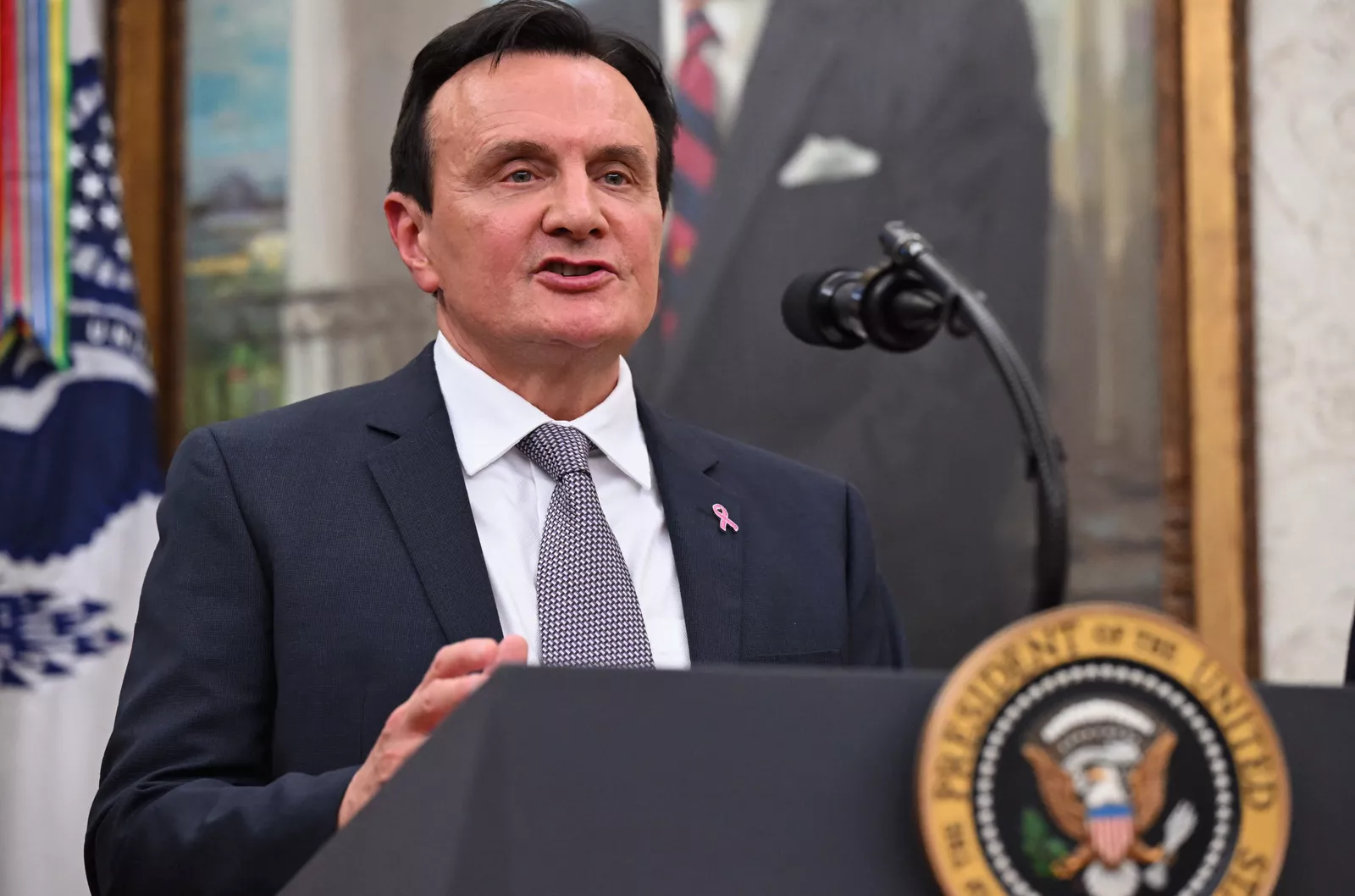
Mr Soriot thanked the government for its “efforts to improve access for patients,” noting four new drug approvals in the UK since the beginning of the year. He added: “We look forward to further enhancing the access and the reimbursement environment and build a strong life sciences sector.”
Richard Torbett, chief executive of the Association of the British Pharmaceutical Industry (ABPI), said the combination of the US trade deal and the Nice threshold increase had caused a “shift in how industry sees the UK.” He noted that six months ago, Britain’s investment environment was seen as not internationally competitive, but the UK is now in a “genuine position of global strength” in life sciences. He described the AstraZeneca investment and a separate £150 million artificial intelligence accelerator announced by German firm Boehringer Ingelheim in London on April 20 as “powerful signals” that the UK was being restored as a leader in the sector.
Other pharmaceutical companies had previously cancelled or paused UK plans — Merck scrapped a £1 billion research centre in London, and Eli Lilly paused investment in a laboratory site in the capital — highlighting the broader recovery in confidence.
The AstraZeneca announcement also coincided with the release of the company’s strong first-quarter financial results. The firm reported an 8 per cent increase in total revenue to $15.29 billion, with significant growth in its oncology division — up 16 per cent — and its rare disease division. Oncology drugs now account for nearly half of total sales. AstraZeneca is targeting $80 billion in sales by 2030.
Despite a 12 per cent profit boost, shares in the company fell two per cent amid wider falls on the FTSE 100 Index, which had previously reached near all-time highs in 2025 before a 0.7 per cent retrenchment in April.
Some analysts have raised concerns that the increased spending on new branded medicines, encouraged by the UK-US trade deal, could divert funds from other essential NHS services and potentially cost the health service billions in the long term. Calls for greater transparency around the pharmaceutical deal have also been made to provide clarity to the NHS, the public and the life sciences sector.