

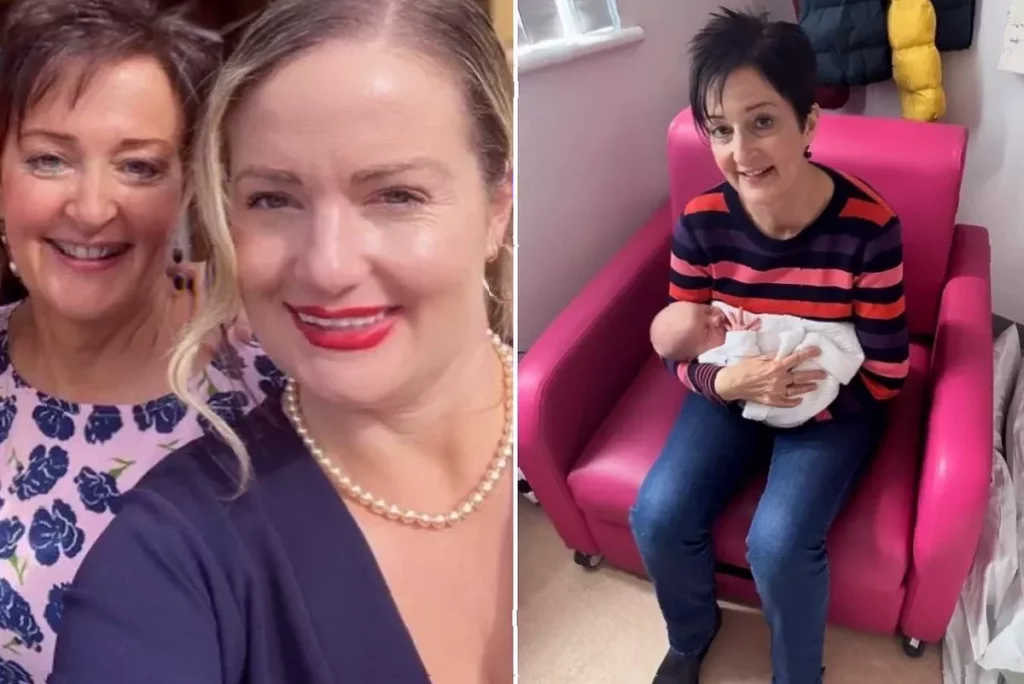
A midwife was diagnosed with cancer three months after her mother died from the same disease – a devastating sequence that left her grieving while facing her own treatment, unable even to pick up the phone and call the person she needed most.
Fiona Harris, 34, from Worcester, lost her mother Anne to small-cell lung cancer in May 2024. Exactly three months later, on June 17, she was told she had thyroid cancer. “That was pretty devastating,” she said. “I think the worst thing about that is the first person you want to call is your mum.”
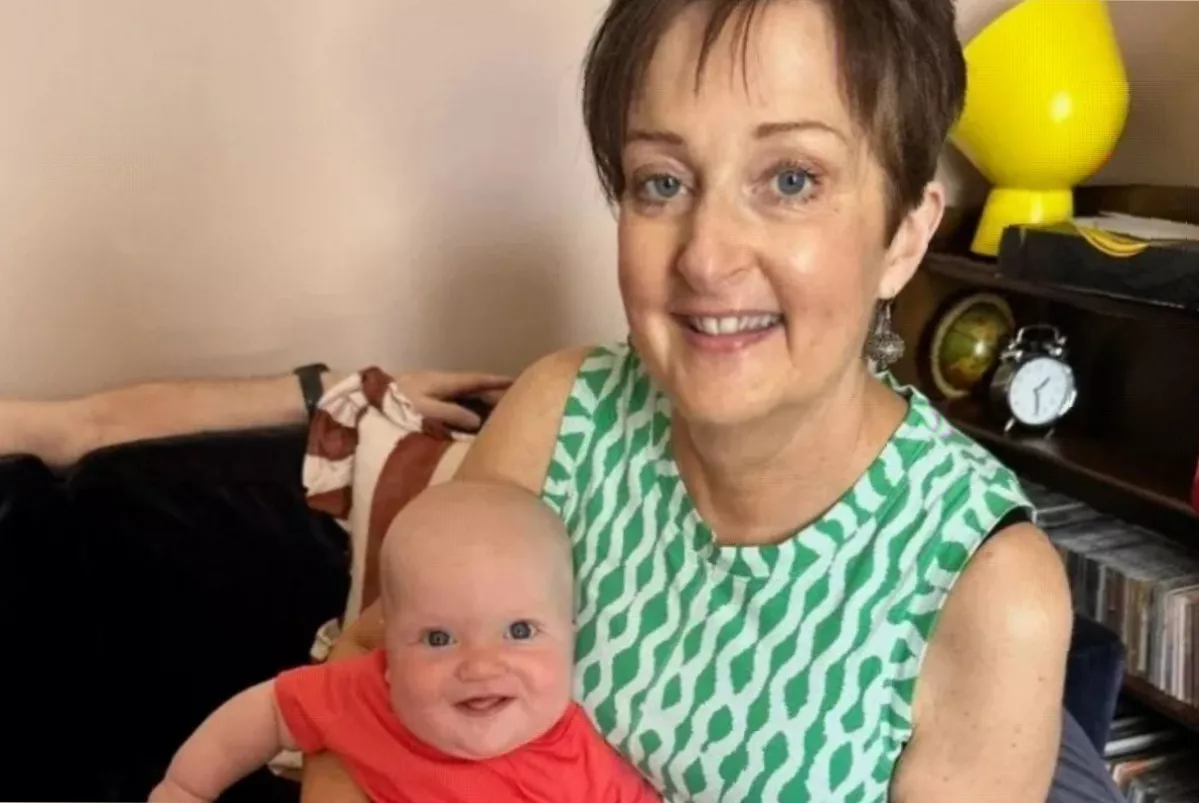
Anne, 63, first noticed something was wrong in September 2023 when she developed a persistent sore throat and hoarse voice. Doctors initially put it down to laryngitis, but the symptoms did not clear up. In January 2024, scans revealed a tumour in her upper lung pressing against her voice box. Within weeks the cancer had spread to her lungs, liver and spleen, making it terminal.
Anne began chemotherapy and immunotherapy but eventually decided to stop, choosing to spend her final months free from the side effects. “We all knew that was probably going to be our last Christmas … and we were all mentally prepared for that to be the last Christmas,” Fiona recalled. By Christmas the cancer had reached her brain, and her condition deteriorated rapidly. She died on May 17, surrounded by her family.

Fiona had been aware of her own health concerns before her mother’s death but had brushed them off. A scan taken three months earlier had roughly indicated a possible cyst on her thyroid. It was only when she felt a sharp stabbing sensation in her neck that she sought medical attention. A surgeon recommended removing the affected section of her thyroid for a biopsy.
“I will always remember that day. It was just horrendous,” she said of the diagnosis. “You don’t even know what to say. You just feel like you’re jumping out of a plane without a parachute.”
The emotional toll was immense. Fiona had been caring for her baby, who was breastfeeding every three hours, and had not had a chance to process her mother’s death. “I haven’t really had time to grieve, because I was just so worried about my health and also not getting any sleep at all,” she said. “I’m going through the worst time of my life and that support’s just gone, and I haven’t even registered that it’s gone. I was crying all the time, every day I would cry, probably for the first 10 months.”
She underwent a complete thyroidectomy and partial lymph node removal six weeks after diagnosis. The cancer had not spread and was successfully eliminated. With the help of counselling and antidepressants, Fiona returned to her midwifery role in November 2025. Throughout the ordeal she found comfort through the charity Motherless Mothers, which supports women who have lost their own mothers.
Delays and waiting times
Fiona had delayed seeking tests for several months before her diagnosis – a pattern that reflects wider pressures in the NHS. In England, the Faster Diagnosis Standard aims for at least 75 per cent of people to be diagnosed or have cancer ruled out within 28 days of an urgent referral. However, in October 2025 only 52.3 per cent met that target. The 62-day standard – which requires 85 per cent of patients to receive their diagnosis and start first treatment within two months of an urgent referral – has not been met since December 2015. Delayed diagnosis is a significant factor in lower cancer survival rates in the UK compared with many European countries. For some cancers, each month of delay can increase the risk of death by up to 10 per cent.
Cancer types and prognosis
Anne’s cancer, small-cell lung cancer, is rare and fast-growing, often diagnosed at an advanced stage. In England, only about 5 per cent of patients survive for at least five years. The primary cause is smoking. Fiona’s own diagnosis – thyroid cancer – is the 20th most common cancer in the UK, accounting for around 1 per cent of new cases. Survival rates are generally high: more than 84 per cent of people diagnosed in England survive for 10 years or more. For the most common types, papillary and follicular thyroid cancer, nearly all patients diagnosed at an early stage survive for at least five years.
Worcestershire Acute Hospitals NHS Trust provides cancer services across its sites, including the Alexandra Hospital and Worcestershire Royal Hospital, offering assessment, surgery, chemotherapy and radiotherapy, alongside Macmillan Information and Support Services. Fiona, a midwife working within the NHS, has spoken about the unique isolation of facing her own illness after the loss of her mother: “Up until that point, it had never caused me any pain,” she said of her neck symptoms, but the emotional pain was unrelenting.