

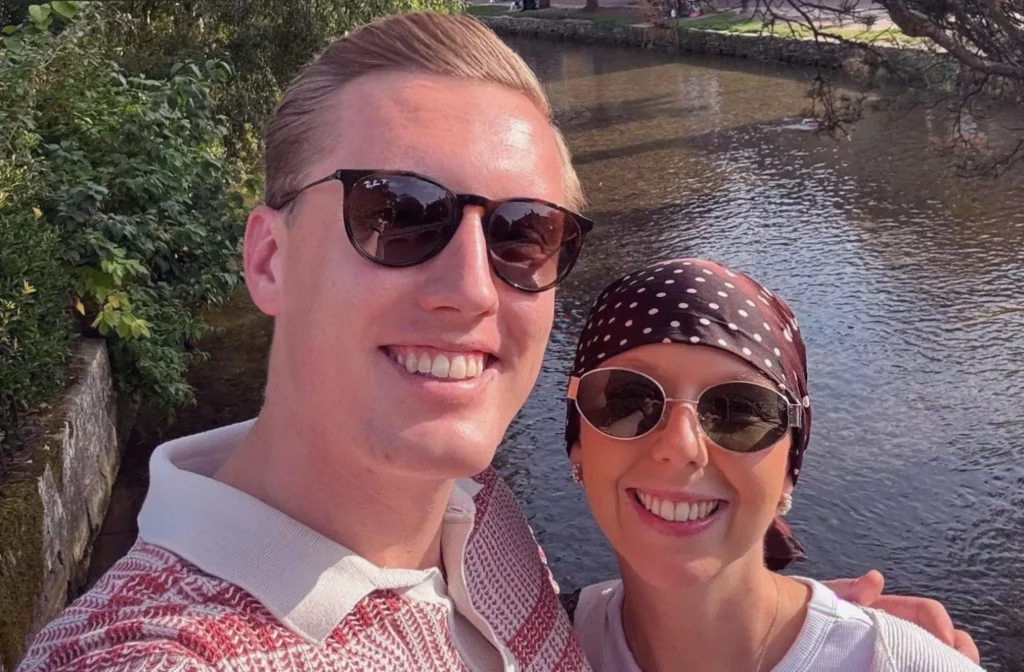
Zoe and her husband had been married just nine months when they received the devastating news that she had breast cancer. Now, ten months later, the 30-year-old primary school teacher is cancer-free and on medication to keep the disease from returning.
It was during a school trip that Zoe first noticed a small lump under her armpit – just 2mm – that she could clearly see and felt discomfort from. She booked an appointment with her GP, thinking it was likely a cyst, and was referred to hospital for tests, a biopsy and a mammogram. She never imagined she would receive the worst news of her life.
Zoe got her results straight after the mammogram and ultrasound; her mother had accompanied her. When doctors broke the news that it was breast cancer, it was a devastating shock. Zoe called her husband at work immediately. “I could hear the fear in her voice,” he said. “I was utterly stunned. I rushed home to be there for her. I couldn’t quite take it all in and was petrified, but had to be strong.”
At that point, her diagnosis was Grade 2 breast cancer, described as “early stage”. But a few weeks later, a PET scan – an imaging test that uses a radioactive tracer to detect cancer throughout the body – revealed the cancer had spread to her pelvis. It was now metastatic. Metastatic breast cancer is generally considered incurable, with treatment focused on managing the disease, slowing its progression and relieving symptoms. “It was the worst day imaginable,” her husband said. “The doctors told us our lives would no longer be as we planned and we went home, crying for days.” Genetic testing later identified that Zoe carries the BRCA2 gene variation, which significantly increases the risk of developing breast cancer and can lead to diagnosis at a younger age.
The diagnosis was crushing, but the couple were determined to fight. Zoe’s father had had bowel cancer that spread to his liver; he had been given a less than 5% chance of survival, but he survived. “So we adopted the same approach as him,” her husband said. They changed their diet to purely organic healthy foods, removing all processed foods, and engaged in exercise, focused on staying as healthy as possible during chemotherapy.
Doctors explained that Zoe would need seven rounds of chemotherapy, followed by lifelong medication. Surgery was not an option because the cancer had already spread to her bones; a double mastectomy is not recommended in such cases. Everything moved quickly. Zoe began chemo almost immediately, losing all her hair in the process, and went on hormone therapy to suppress her ovaries, which put her into early menopause. Hormone therapy for breast cancer can involve various medications, and common side effects include hot flashes, night sweats, mood changes, weight gain, joint pain, vaginal dryness and fatigue. In some cases it can also lead to bone loss and an increased risk of fractures. “It was horrendous,” her husband said, “but her constant positivity was inspiring.”
Remarkably, between chemotherapy rounds, Zoe was able to run and do pilates, surprising even her oncologists and nurses. After seven rounds of chemo over five months, the results were incredible: the cancer in her pelvis was no longer detectable. “I’ve never felt relief like it,” her husband said. Even better, this made her eligible for a double mastectomy – the surgical removal of both breasts, a far better option for long-term control – and she was now on a curative pathway, something they had not dared hope for. The surgery was successful, and the remaining cancer cells in her lymph nodes were removed. Zoe was then given an oral chemotherapy drug, which she will take for three years, after which she might have her ovaries removed as a preventative measure. She will also undergo radiotherapy, which uses high-energy X-rays to destroy cancer cells and reduce the risk of recurrence.
A relationship tested
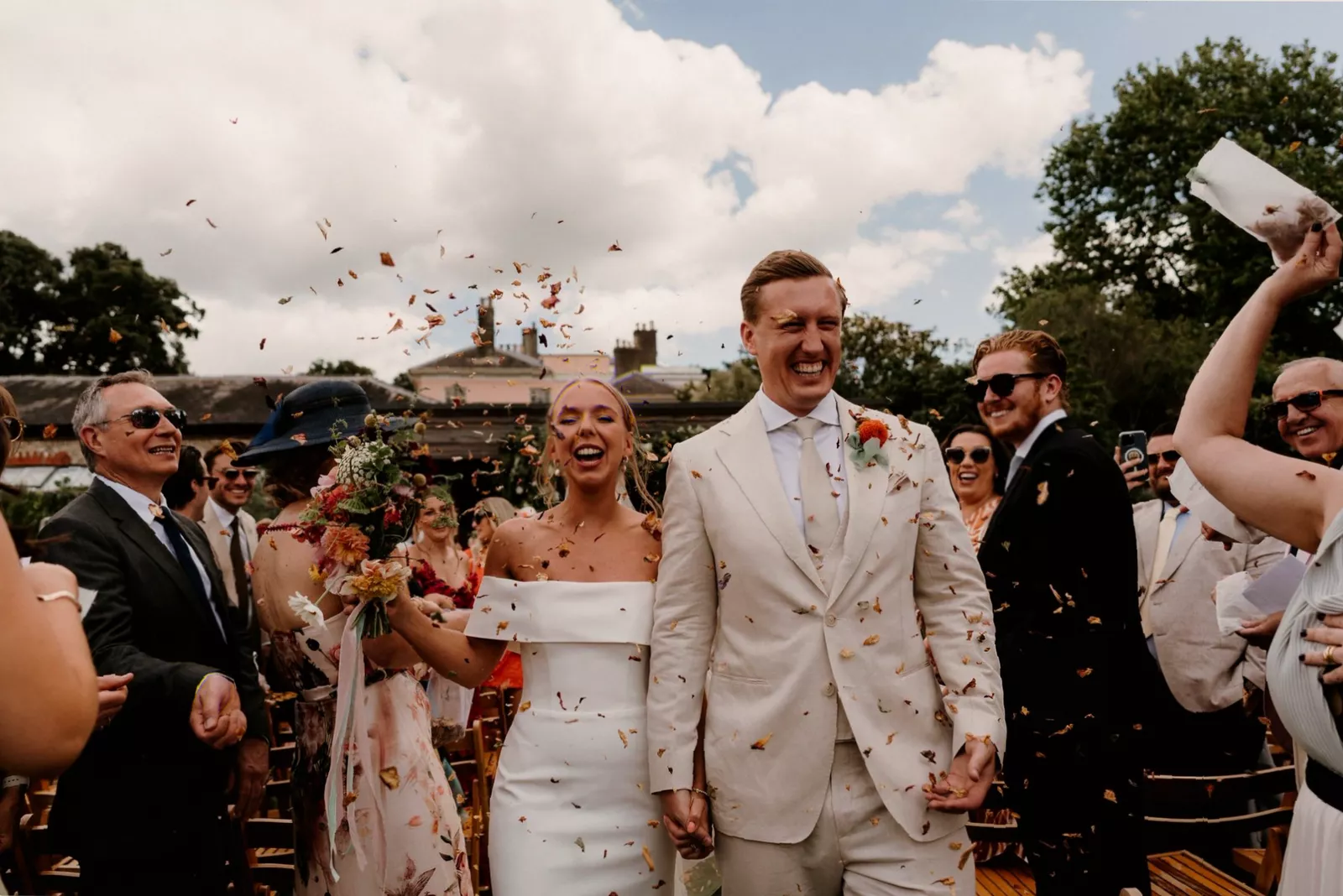
Zoe and her husband met at university and became best friends almost instantly. After a year of friendship, they started dating in 2015. “She was and still is utterly hilarious and has an infectious smile,” he said. In 2022, he proposed on a beautiful beach in the Dominican Republic. “It felt natural and I was over the moon that we could start the next chapter of our lives together.” They married in 2024, and it was everything they had dreamed of. “I felt overwhelmed with emotions and ecstatic to spend the day with all our nearest and dearest.”
The couple had planned to start a family soon after the wedding. “We always wanted many children of our own,” he said, and Zoe, being a primary school teacher, was drawn to children as a vocation. The cancer diagnosis changed all that. “This is the start of a new chapter.”
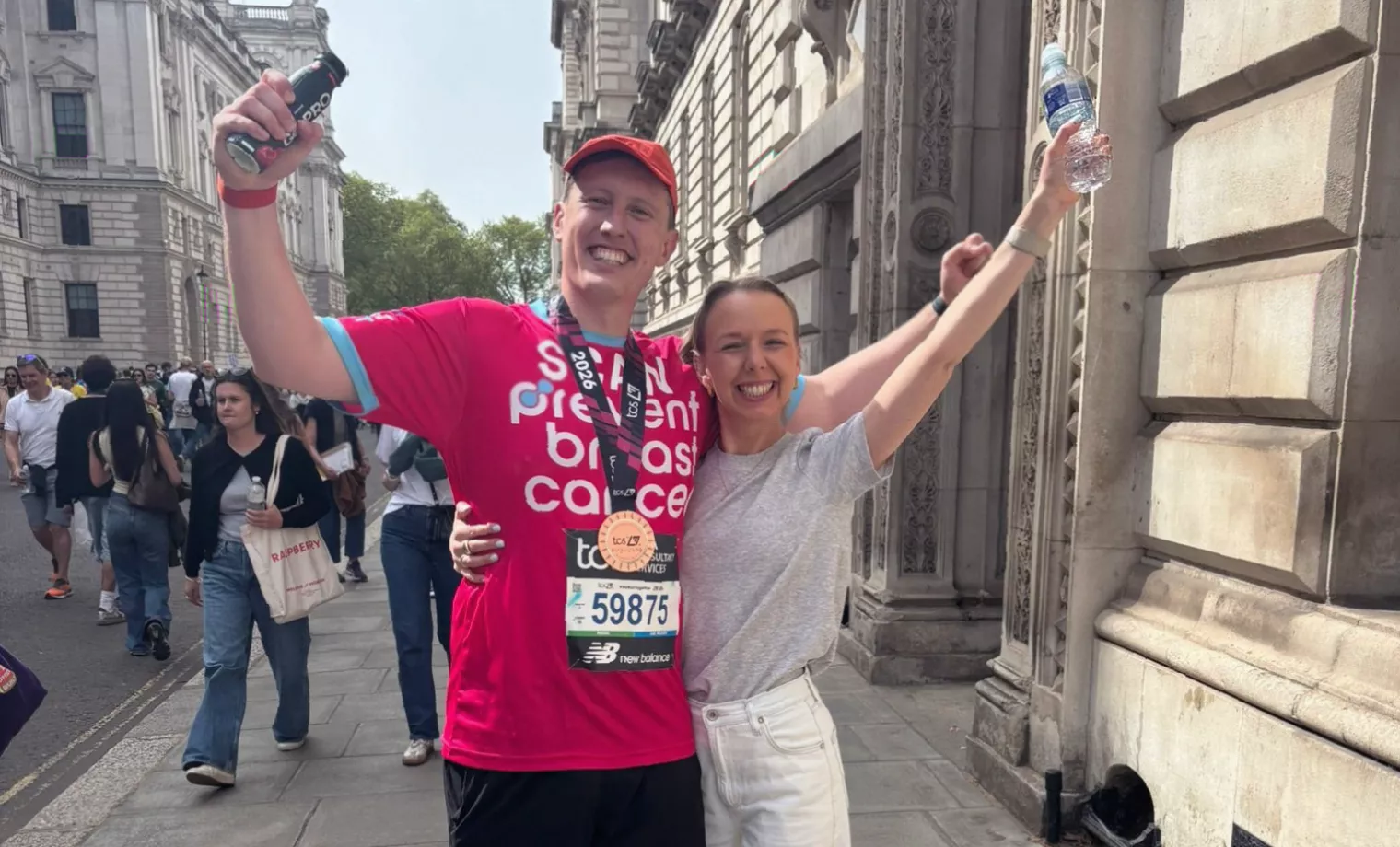
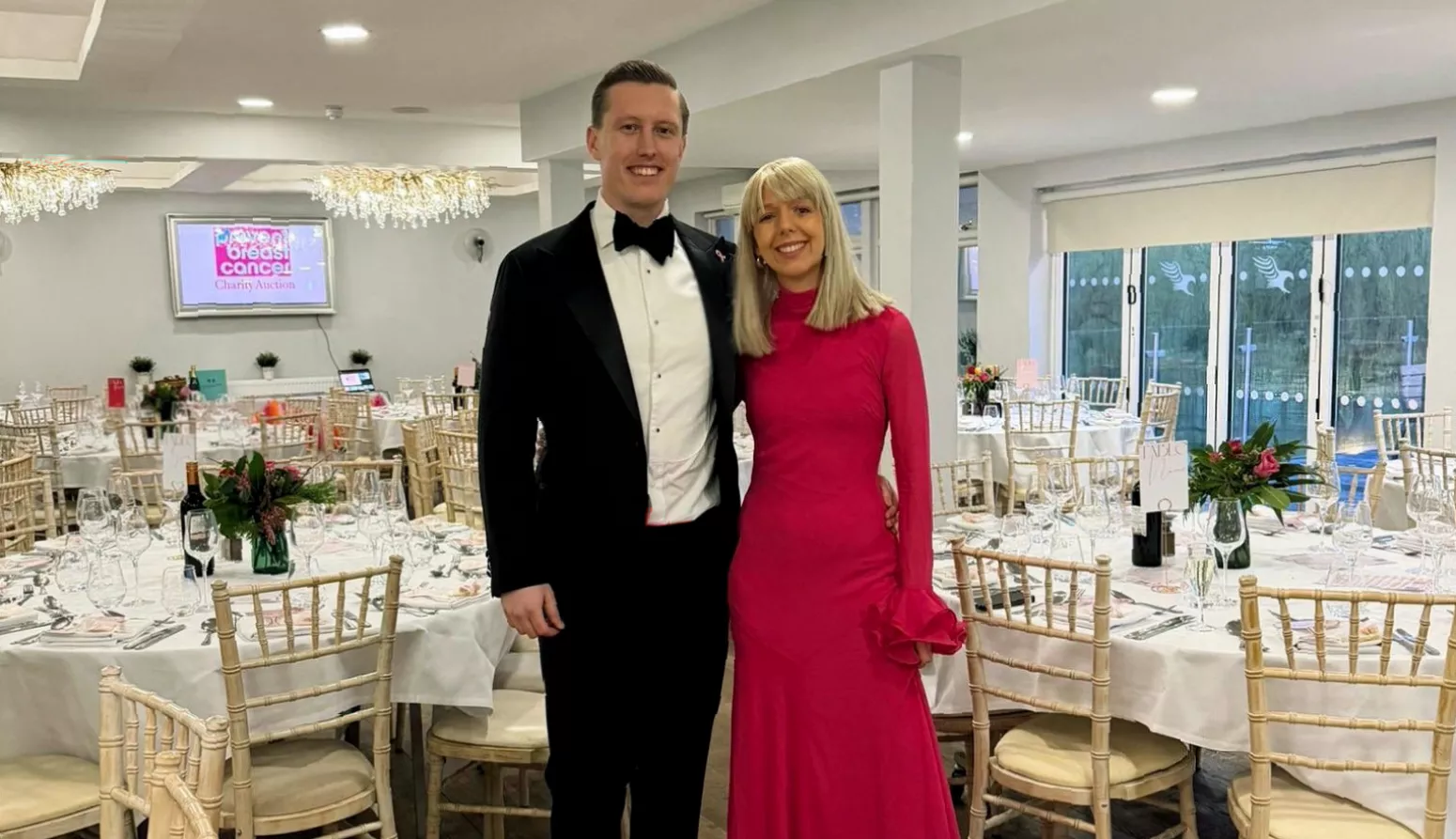
Throughout the journey, fundraising became a source of strength and purpose for Zoe’s husband. “Running has helped me mentally as an outlet through this awful experience, and raising money and awareness feels like a way I can help.” He ran the London Marathon for Prevent Breast Cancer, the only UK charity dedicated to funding research focused solely on the prediction and prevention of breast cancer, and raised over £65,000. Zoe even joined him for the final parts of his long runs, helping with the final 5–7km. “Mentally, we both are doing great and well, truly in our healthy era.”
Still, the anxiety remains. Zoe has a CT scan every three or four months, and waiting for the results is, her husband said, “a horrible experience that we have to live with”.
Future plans
Now, the couple feel they can finally start to move ahead with the married life they had planned. They plan to start a family through surrogacy and live life to the full. Surrogacy is legal in the UK, but commercial surrogacy – where a surrogate is paid a fee for carrying a baby – is illegal; intended parents can reimburse reasonable expenses. Gestational surrogacy, where an embryo is created using the intended parents’ or donor’s gametes and the surrogate has no genetic connection, is the more common method and requires IVF. Legal parenthood is established through a Parental Order, which must be applied for within six months of the child’s birth. Organisations such as Surrogacy UK promote a “surrogacy through friendship” ethos, encouraging strong relationships between intended parents and surrogates.
Reflecting on everything they have endured, Zoe’s husband said simply: “Our wedding vows have been tested and we passed.”