


Colon cancer is no longer a disease confined to older generations. The condition is now striking younger adults in growing numbers – and even those who pride themselves on a healthy lifestyle are being caught off guard. According to figures from Cancer Research UK, diagnoses among adults aged 25 to 49 rose by 22% in the UK between the early 1990s and 2018, with more than 2,600 people under 50 now diagnosed every year. While scientists are racing to understand why, the story of Adrienne Lindsey illustrates a troubling pattern: symptoms so subtle they are easy to dismiss, even for someone who has always been health-conscious.
Adrienne was 31 when she received a stage 4 colon cancer diagnosis in January 2025. The disease had already spread to her liver. “Nobody in my family has ever been diagnosed with colorectal cancer. Not on my mum’s side or my dad’s side,” she said in a recent TikTok video. She describes herself as “a very healthy person” – active her whole life, careful about nutrition, vigilant about water intake and step counts. The diagnosis came as a shock. But looking back, she realises the warning signs had been there, hidden in plain sight.
“I thought I had no symptoms,” she said. “When I look back now, I realise I may have had a few, but nothing that would have sparked a red flag.” One of the first signs was fatigue. Despite sleeping nine or ten hours a night, Adrienne was exhausted all day. She also noticed her hair falling out six months before the diagnosis, but attributed it to major life changes at the time. Bloating appeared inconsistently, always in line with her menstrual cycle, so she never thought twice about it. Intermittent night sweats also occurred, again dismissed as hormonal fluctuations. “They were very inconsistent,” she recalled. “In the days leading up to my period, I would get these night sweats, and I figured it was just a fluctuation in my hormones.”
The overlooked warning signs
Adrienne’s experience is far from unusual. Research from Bowel Cancer UK shows that 41% of younger patients are initially diagnosed with irritable bowel syndrome, and 38% with haemorrhoids, before their cancer is discovered. More than 40% visit their GP three or more times before being referred for further tests. Because early-onset colorectal cancer is still relatively rare, and its symptoms mimic common, benign conditions, the disease is often caught at a later stage than in older populations.
Fatigue, for instance, is a classic sign of anaemia caused by chronic blood loss from a tumour – yet it is easily blamed on stress, poor sleep or a busy lifestyle. Bloating, recognised by major health bodies such as the Mayo Clinic as a non-specific sign of bowel cancer, occurs when a tumour disrupts digestion. In younger women, bloating is routinely linked to the menstrual cycle. Night sweats, while not a typical early symptom, can appear as the disease advances. Hair loss, which Adrienne experienced, may be a result of the body’s systemic response to cancer, but is often put down to life pressures.
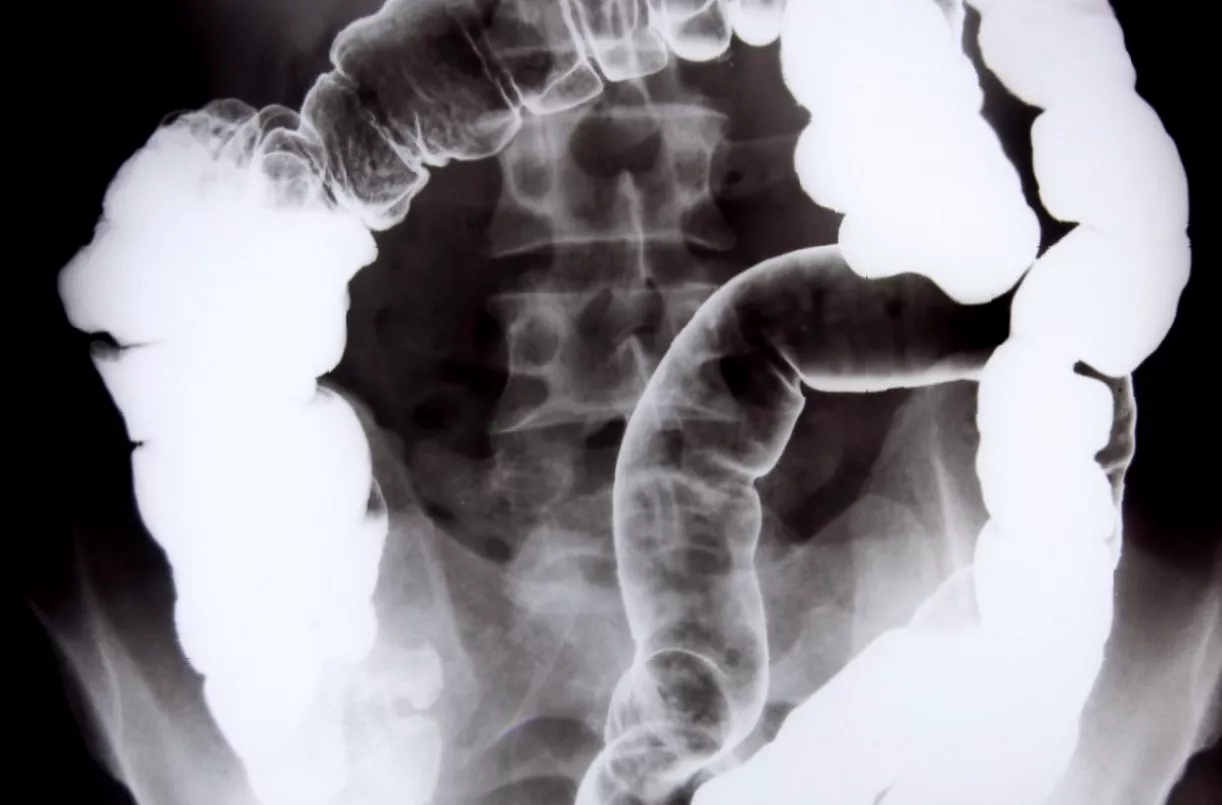
The key symptoms to be aware of include a persistent change in bowel habits lasting more than three weeks – diarrhoea, constipation, or thinner, “pencil-like” stools. Rectal bleeding, which appears red or black and is often mistaken for haemorrhoids, is reported by almost half of young people with colon cancer. Unexplained abdominal pain or cramping, a feeling that the bowels do not empty fully, unexplained weight loss, and persistent nausea or vomiting are also red flags.
In the UK, bowel cancer screening is routinely offered every two years only to adults aged 50 to 74. Under-50s are not screened unless they have a strong family history or specific genetic conditions such as Lynch syndrome, which account for up to 25% of early-onset cases. The NHS expanded home testing to include 50- to 52-year-olds in January 2025, making an additional 850,000 people eligible each year – but for those younger, the onus remains on recognising symptoms themselves.
Adrienne’s story is a stark reminder that even the healthiest among us can be blindsided. “If you ask anyone who knows me, I am a very healthy person,” she said. “So this came as a shock.” In the UK, more than 2,600 people under 50 are diagnosed with bowel cancer every year – and for many, the warning signs are only recognised in hindsight.