


Bowel cancer, a disease long associated with older age, is now being diagnosed with increasing frequency in adults under the age of 30, marking a significant and concerning shift in public health trends.
Between the early 1990s and 2018, diagnoses in UK adults aged 25-49 rose by 22%, with rates among the under-24s surging by an estimated 75% over a similar period. While still less common than in older generations—around 1 in 20 UK cases occurs in people under 50—the uninterrupted rise has transformed a rare occurrence into a regular clinical reality.
A Young Mother’s Fight for a Diagnosis
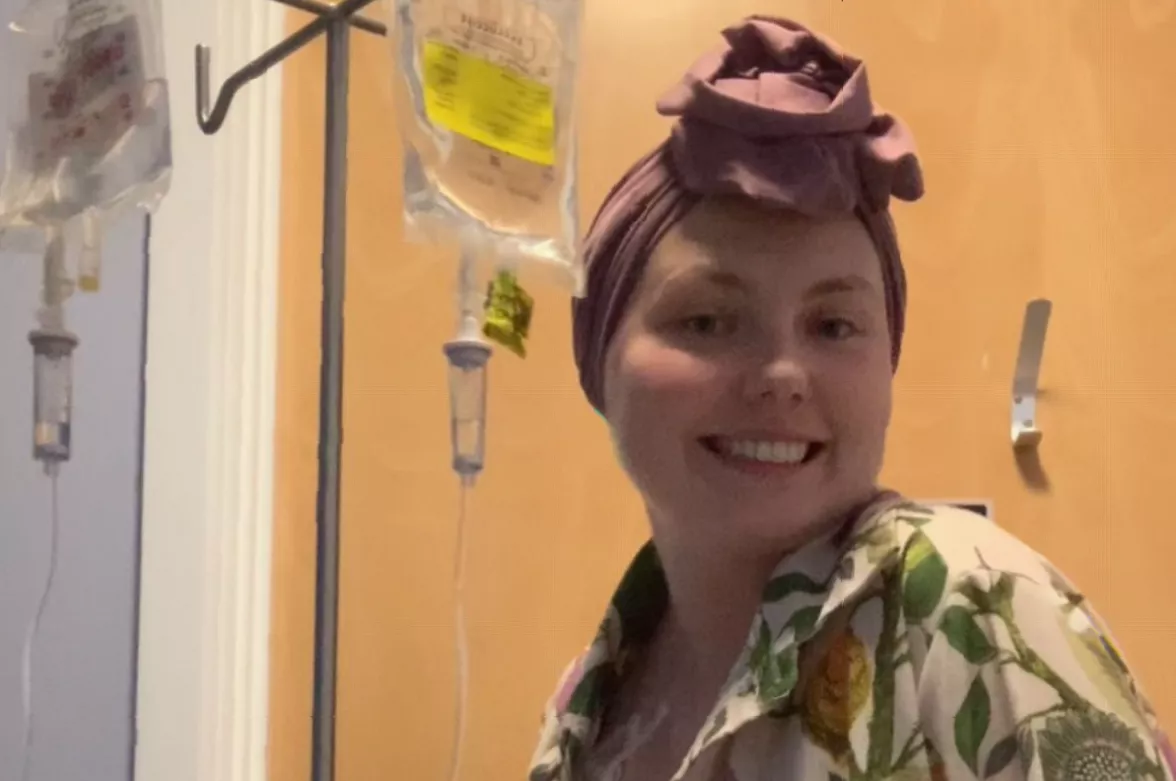
For Bronwyn Tagg from Cambridgeshire, this trend became a devastating personal reality at the age of 26. Her path to diagnosis underscores the critical challenges facing younger patients. Her first symptom was rectal bleeding, which her GP attributed to haemorrhoids following the birth of her child; no physical examination was performed.
When she returned with frequent diarrhoea, a test for gluten intolerance came back clear and no further investigations followed. Like many young adults, Bronwyn found her symptoms—fatigue, horrendous stomach aches—easy to explain away, a perception compounded by the initial lack of clinical concern.
“I think because the doctors initially didn’t seem worried about doing any further investigations, it made me think that my symptoms weren’t important,” she said.
It was only when investigating painful ovarian cysts that an MRI scan revealed a hidden tumour in her bowel. By then, the cancer had progressed to stage 3. Research indicates that if diagnosed at the earliest stage (Stage 1), around 90% of people survive bowel cancer for five years or more, but this drops to around 65% for stage 3.

‘Week in, Week Out’: A GP’s Growing Concern
Bronwyn’s experience reflects a broader, troubling pattern of diagnostic delay. Studies indicate 43% of younger patients need to visit their GP three or more times before a referral, with symptoms often initially mistaken for irritable bowel syndrome (41% of cases) or haemorrhoids (38%).
Dr Asiya Maula, a private GP at The Health Suite, confirms she is now referring under-50s for cancer investigations far more regularly. “Ten or 20 years ago, this was uncommon. Now, it’s something I’m seeing week in, week out,” she said.
The reasons behind the surge remain under intense scientific scrutiny. Researchers are investigating a complex mix of factors, with diet and obesity at the forefront. The dramatic shift over decades towards processed foods high in fat and sugar, coupled with low fibre intake, is a significant suspect, potentially altering the gut microbiome.
A leading theory focuses on specific gut bacteria that produce a DNA-damaging toxin called colibactin. Mutations linked to this toxin are 3.3 times more common in bowel cancer patients under 40 than in those over 70. Adolescent obesity, sedentary lifestyles, and heavy alcohol use are also implicated.
While genetic conditions account for a small percentage of cases, they do not explain the population-wide increase. The rise is predominantly driven by tumours in the lower bowel (sigmoid colon and rectum).
The Screening Gap and the Need for Vigilance
This evolving picture creates a stark challenge within a healthcare system where routine NHS bowel cancer screening in England currently starts at age 50, as over 90% of cases occur in that age group. For younger adults, diagnosis relies entirely on symptom recognition and GP referral.
National Institute for Health and Care Excellence (NICE) guidelines recommend using Faecal Immunochemical Tests (FIT) for adults with certain symptoms to guide referrals, and urgent ‘two-week wait’ pathways exist for those whose results or symptoms raise concern. Yet, the non-specific nature of symptoms—including persistent bowel habit changes, abdominal pain, unexplained weight loss, and fatigue—means younger patients can still fall through the cracks.
Charities like Bowel Cancer UK, through its ‘Never Too Young’ campaign, stress that age should not be a discriminating factor during clinical assessment. The consequences of delay are severe, with diagnoses in emergency settings often occurring at a more advanced, harder-to-treat stage.
Reflecting on her ordeal, Bronwyn Tagg offers clear advice to other young adults. “Be persistent,” she urges. “I feel like I should have been more persistent and gone back when symptoms continued.” She also highlights the pragmatic step of taking out life insurance, especially for young parents, noting that “life can change so quickly.”
Her case stands as a potent reminder that while statistics define risk, they do not dictate individual fate, and clinical vigilance must evolve to match a changing disease landscape.