

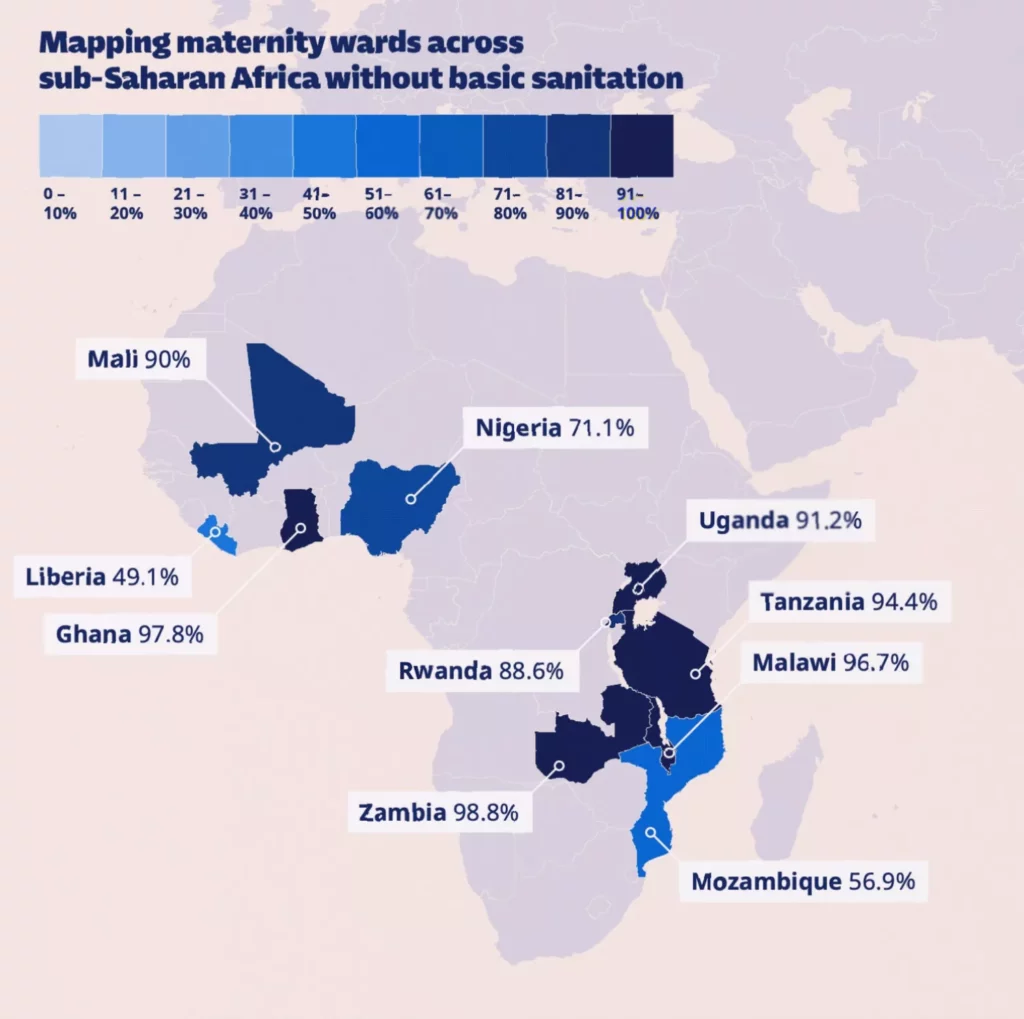
Every two seconds, a woman goes into labour in a health centre where there is no clean water to wash her hands, no functioning toilet and no soap – a reality that WaterAid says is fuelling a maternal sepsis crisis claiming 36 lives a day across sub-Saharan Africa. Women who develop the condition in that region are 144 times more likely to die than those in Britain, Europe or North America, according to the charity’s research.
The ‘Time to Deliver’ campaign
WaterAid’s “Time to Deliver” campaign, launched in partnership with The Independent for Earth Day, is calling on world leaders to guarantee clean water and sanitation in every health centre worldwide. The campaign aims to build pressure ahead of the UN Water Conference in December 2026, which will be held in Abu Dhabi and co‑hosted by the UAE and Senegal. The conference is intended to accelerate progress towards Sustainable Development Goal 6 – universal access to water and sanitation – and to turn investment, innovation and international solidarity into practical solutions.
The Independent has donated £20,000 in advertising to amplify WaterAid’s message and reach new audiences. Chris Stevenson, The Independent’s International Editor, said the collaboration had reinforced “how vital” the work is, adding: “We’re proud to work with WaterAid … and we hope this contribution of advertising support will strengthen its campaigning and fundraising efforts.” Jennie York, WaterAid UK’s Executive Director of Communications and Fundraising, called 2026 “a defining year for water”, noting that Earth Day “is a reminder that everything starts with clean water, from safe births to adapting to climate change”.
Earth Day, first held on 22 April 1970, takes on the theme “Our Power, Our Planet” in 2026, emphasising individual and collective action for a sustainable future. WaterAid is urging the public to sign its global petition to world leaders, which forms part of the Time to Deliver campaign.
A midwife’s account from Liberia
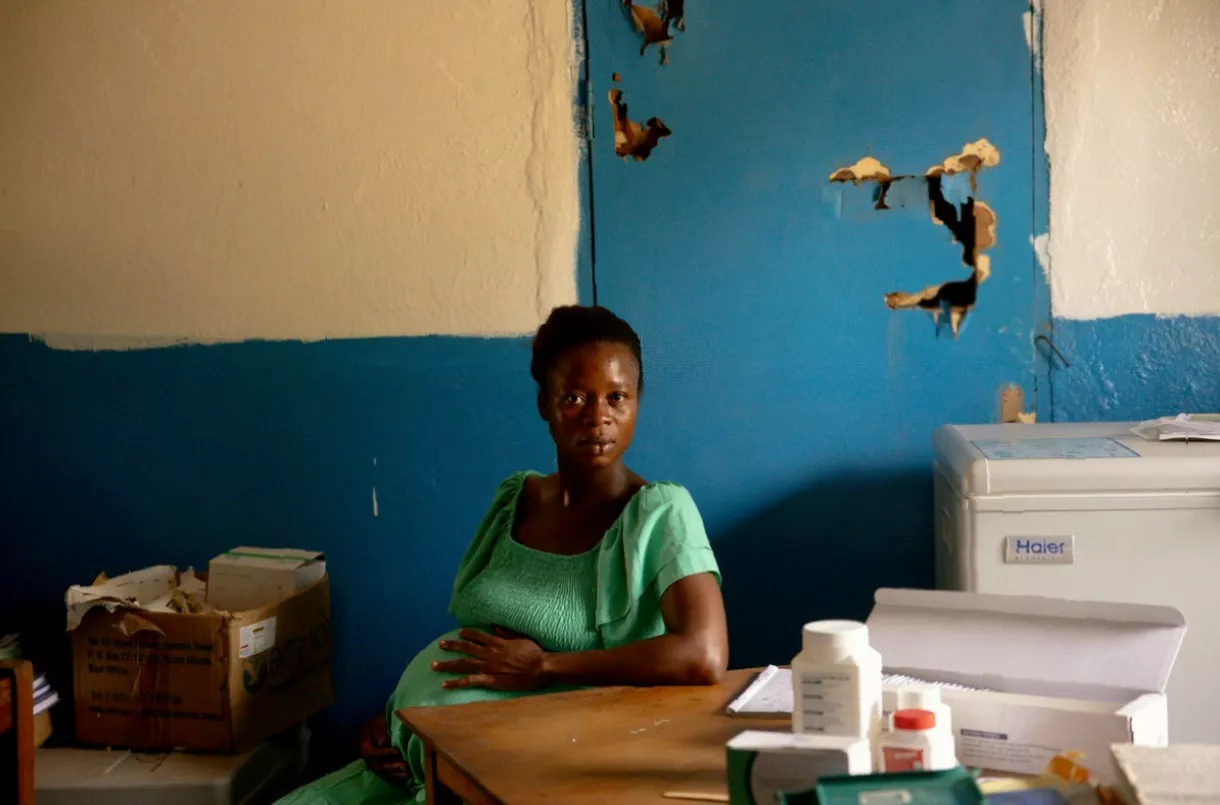
At the Diah Clinic in rural Liberia, midwives must walk to a nearby pond to collect water before they can begin caring for a woman in labour. Shanette Khauala, a midwife who has worked there for three years, describes the critical delays this causes. “If the patient is brought here in labour, the time it takes me to go and look for water, she might deliver and she would need my attention immediately, but I’m not around because I am looking for water,” she said. “That could cause significant harm to either the mum or the baby. I’m looking for water, so she could even bleed to death.”
Liberia, despite receiving abundant rainfall, struggles with safe water access. Years of civil war and ongoing pollution risks have left vital networks in disrepair. Only about 10 per cent of the population is served by safely managed water systems, with stark disparities between urban and rural areas.
The deadly link between poor hygiene and maternal sepsis
The conditions at Diah Clinic are far from unusual. Across ten countries surveyed by WaterAid, 78 per cent of maternity wards had no functioning toilet and 66 per cent lacked clean water and soap for handwashing. Three in four births across sub‑Saharan Africa take place in such circumstances. Globally, one in five health care facilities lacks basic water, sanitation and hygiene services.
WaterAid’s research estimates that 13,000 women die each year from maternal sepsis in sub‑Saharan Africa – 36 every day. Sepsis, a life‑threatening reaction to infection, is particularly dangerous in labour and the immediate postpartum period. Risk factors include rural residence, prolonged labour, multiple digital vaginal examinations and higher parity. For newborns, low Apgar scores, meconium in the amniotic fluid, prolonged rupture of membranes, intrapartum fever and maternal urinary tract infections increase the risk of neonatal sepsis.
The chain of infection is often broken by the simplest measures: clean water for handwashing, soap, and a functioning toilet. WaterAid estimates that targeted investment in water and hygiene across healthcare settings could halve cases of maternal sepsis. The charity further calculates that investing in clean water, toilets and handwashing in health facilities could cut maternal and newborn deaths by half for roughly $1 per person.
UK aid cuts undermine progress
This crisis is unfolding against a backdrop of shrinking international aid budgets. The Independent’s Rethinking Global Aid project, which is funded by the Gates Foundation but remains editorially independent, tracks the impact of foreign aid cuts on developing countries. UK overseas spending on water and sanitation has fallen sharply: from £206.5 million in 2018 to £80 million in 2024, with further cuts expected. WaterAid notes that between 2018 and 2023, the annual budget for water, sanitation and hygiene was slashed by approximately 82 per cent, dropping to £37 million before recovering slightly to £80 million. In 2024, water and sanitation represented only 0.71 per cent of the UK’s bilateral aid funding. Overall UK Official Development Assistance decreased by 8.2 per cent in 2024 compared with 2023, and the ODA‑to‑GNI ratio fell to 0.50 per cent.
The cuts come despite lagging progress on Sustainable Development Goal 6. WaterAid, which has reached roughly 29 million people with clean water and over 29 million with decent toilets since its founding in 1981, warns that the loss of UK funding is directly affecting maternal health programmes. The charity’s chief executive, Tim Wainwright, and its executive director of communications and fundraising, Jennie York, have both highlighted the urgency of the moment. Yet as midwives like Shanette Khauala continue to walk to ponds for water, the gap between political promises and on‑the‑ground reality remains measured in seconds – and in lives.