

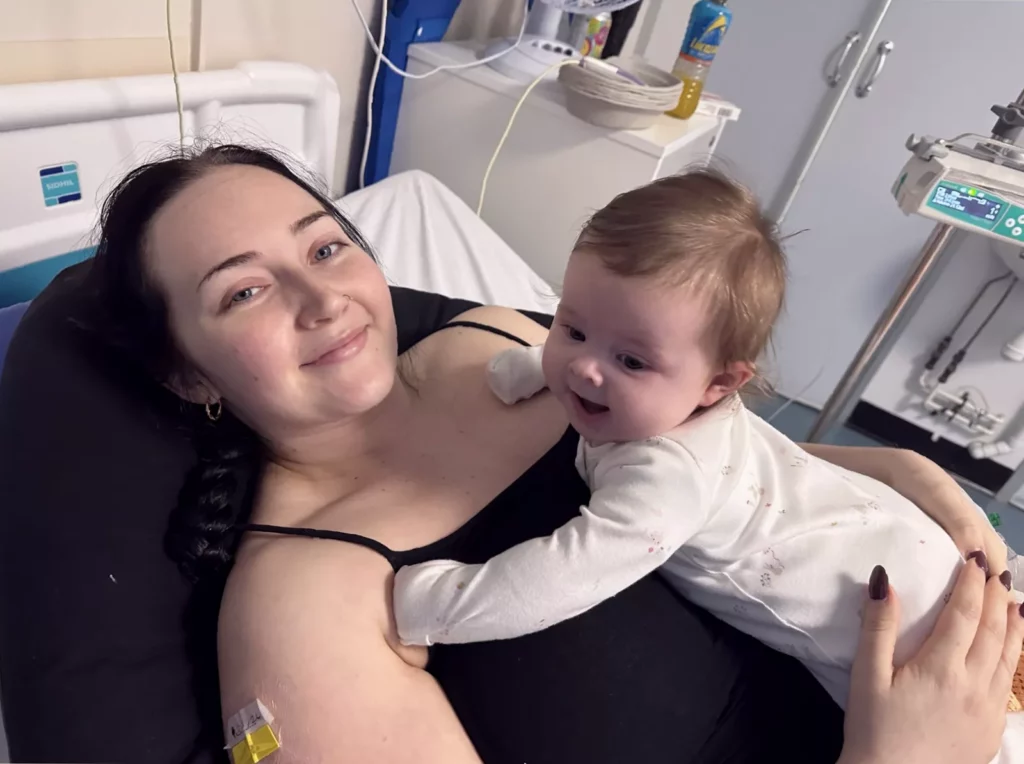
A young mother was diagnosed with terminal cancer after her symptoms were repeatedly dismissed as normal post-birth discomfort. Tia Faye Clark, 24, a barber from Pembrokeshire, gave birth to her daughter Robyn in September 2025, but within days of bringing the 7lb 14oz baby home she noticed a large lump between her ribs and a tender abdomen. Despite raising the issue with two different midwives, she says she was told to “give it a few days” because she had only just given birth.
Over the following weeks, the same response came from other midwives. At her eight-week check, her GP delivered advice that left Tia Faye “not very happy”. She says the GP felt the lump and told her it was caused by diastasis recti – the separation of abdominal muscles that can occur in pregnancy – and recommended she do sit-ups. In total, Tia Faye says she saw seven different medical professionals before the pain became so severe it stopped her sleeping. On 29 December, she went to hospital.
There, she received the devastating news that she had Desmoplastic Small Round Cell Sarcoma (DSRCT), a rare and aggressive soft tissue cancer. Scans revealed a 15cm tumour in her pelvis, an 18cm tumour on her liver, and smaller tumours inside the liver. Doctors told her the cancer was terminal and that treatment would focus on containing its growth.
Tia Faye has since undergone four rounds of chemotherapy and faces six more in the hope of shrinking the tumours. She said: “I went from being fobbed off saying ‘you’ve just had a baby’ to ‘you’ve got cancer’.” Staff at the hospital were reportedly puzzled that the disease had not been spotted sooner. “They were all asking me why I didn’t go to the GP sooner and I was like ‘I’ve been trying for months to get seen’,” she said.
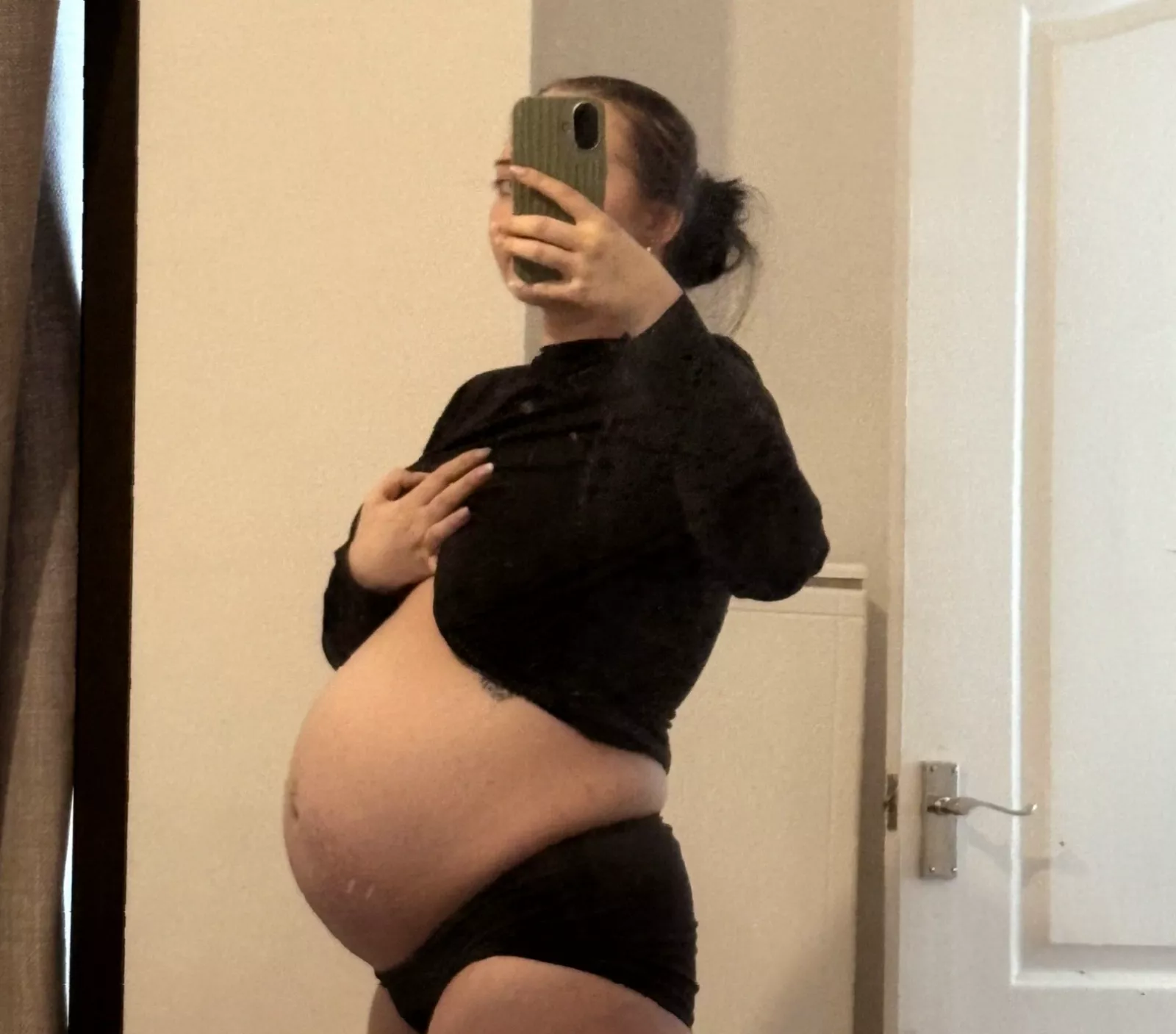
The mother of one said she felt “let down by the whole system” and that young women in particular were not taken seriously enough. “It makes me mad to think about it now because they’ve told us there’s nothing they can do,” she said. “If things were contained back in September things could be really different.” She recalled becoming “quite close to death” before treatment began.
Now, Tia Faye is pouring her energy into spending time with baby Robyn. She has been putting together photo albums and writing birthday cards for her daughter. “It is really, really hard, especially as a new mum,” she said. “It’s hard to think about the things you might potentially miss out on.” A friend has set up a GoFundMe campaign to support her with alternative treatment options and practical costs; as of 13 February 2026, it had raised more than £12,000.
What is Desmoplastic Small Round Cell Sarcoma?
DSRCT is a rare type of soft tissue sarcoma. According to studies, approximately 12 cases are diagnosed each year in England, and the median age at diagnosis is around 23. The cancer most commonly appears in the abdomen, though it can develop elsewhere. Tumours are often large at diagnosis – one UK study reported a median size of 13cm. Symptoms include a rapidly growing lump or swelling, abdominal pain and swelling, unexplained weight gain, nausea, and difficulty urinating or constipation. The prognosis is generally poor: five-year survival rates are estimated to be around 15%, and three-year survival rates range from 32% to 44% in different studies. Historically, DSRCT has been more common in males, but when it does occur in women the tumours can sometimes be mistaken for ovarian cancer.
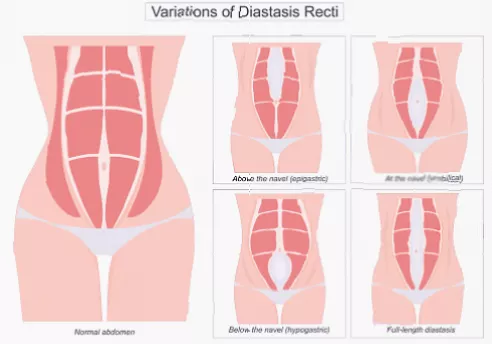
What is diastasis recti?
The condition Tia Faye was initially told she had is diastasis recti, a common side effect of pregnancy where the two muscles running down the middle of the stomach separate as the womb grows. The NHS advises that this separation usually returns to normal by the time the baby is eight weeks old, although some women require help from a physiotherapist. Pelvic floor and deep stomach muscle exercises can help. If a gap is still obvious after eight weeks, or if there is persistent abdominal pain, the NHS says women should consult their GP. In Tia Faye’s case, the lump she discovered was not caused by muscle separation but by the growing tumours.
In England, around 4,600 new soft tissue sarcoma cases are diagnosed annually, with most occurring in people aged 75 and over. However, DSRCT predominantly affects younger individuals. About a third of soft tissue cancers are diagnosed through an urgent suspected cancer referral, and nearly two in ten via emergency presentation – a route that often means the disease is already advanced. Tia Faye said: “I feel really let down by the whole system to be honest it all could’ve been avoided.”