

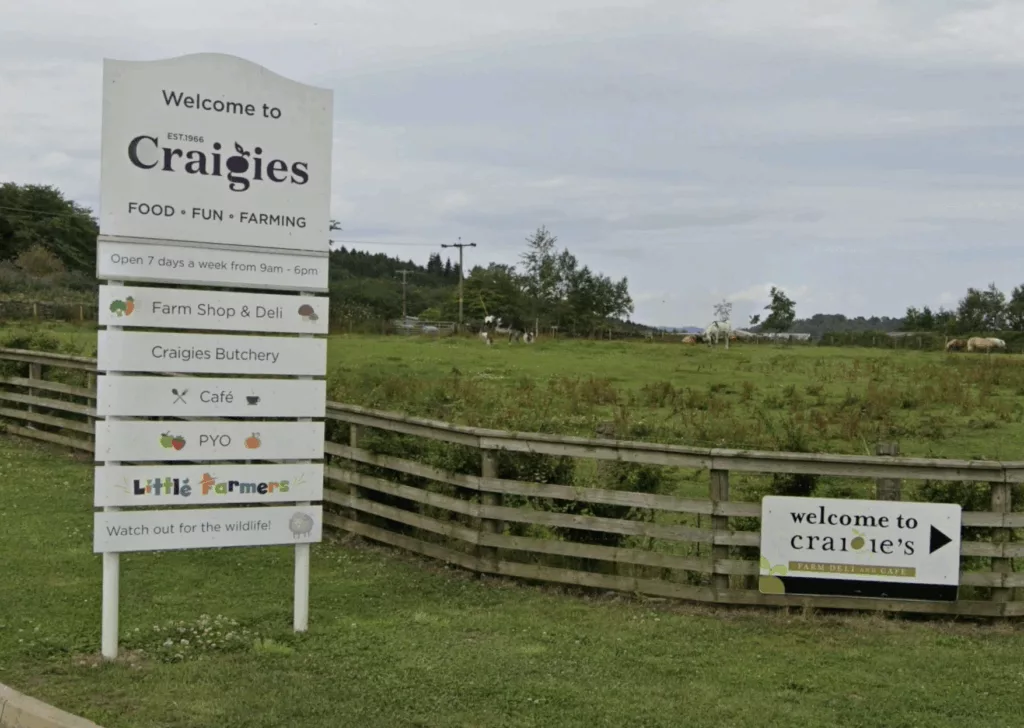
Sixteen people are ill after a cryptosporidiosis outbreak at a petting zoo near Edinburgh, with health officials tracing every confirmed case to a lamb feeding experience at Craigies Farm.
Cases and source
NHS Lothian announced that the number of confirmed cases has risen to 16, up from an initial report of six affected individuals that included both adults and children. One local mother who attended with her two children required hospital treatment after suffering symptoms for nearly a fortnight following her visit on 15 April. The lamb feeding activity, which drew families to the farm during the spring season, finished its scheduled run on 4 May.
Dr Graham Mackenzie, Consultant in Public Health Medicine at NHS Lothian and the East Region Health Protection Service, said: “We are aware of 16 confirmed cases with links to a visitor attraction in Lothian, and they are being closely monitored.” He added that investigations are continuing and that the health authority is working closely with hospital and primary care colleagues to ensure that any further cases receive appropriate and timely care.
How cryptosporidiosis is contracted
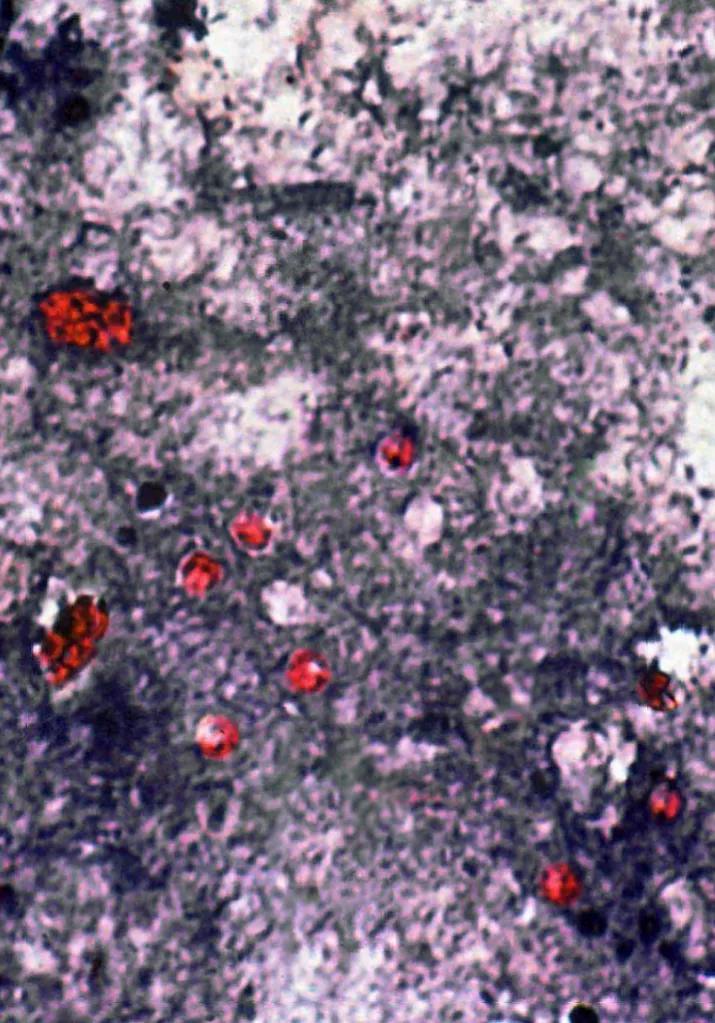
Cryptosporidiosis is caused by the Cryptosporidium parasite, a microscopic organism that can be present in the intestines and waste of infected animals and humans. The infection spreads through direct contact with infected animals or their faeces, as well as by touching contaminated surfaces such as farm gates, fencing and buildings where livestock have been housed. The parasite can also contaminate water, food, clothing and footwear.
Children between one and five years old are most susceptible to the infection. Those who work with livestock or come into contact with animal faeces face an elevated risk, and individuals with weakened immune systems are at higher risk of developing more severe illness.

Health authorities note that cases of the parasitic disease tend to increase during spring months, often associated with lambing seasons. In 2024 there was an unusually large spring peak in cases across the UK, with outbreaks predominantly linked to lambing events and open (petting) farms. Health Protection Scotland typically records 500 to 700 laboratory-confirmed cases of cryptosporidiosis annually; in 2024 Scotland reported 691 cases, a decrease from 852 in 2023.
Symptoms and impact
The illness is highly contagious and typically produces severe watery diarrhoea, abdominal pain, nausea, vomiting, mild fever and reduced appetite. These symptoms can result in dehydration and weight loss if left untreated. The illness can last for up to two weeks, and some individuals may experience a recurrence of symptoms before full recovery.
Dr Mackenzie emphasised that thorough handwashing with soap and warm water remains the most effective preventive measure after any contact with animals or the areas where they are kept. Alcohol-based hand gels are not effective against Cryptosporidium.
Prevention and farm response
Visitors to farms are advised to pay special attention to hygiene, washing hands after animal contact and only eating in designated areas. Individuals who have had cryptosporidiosis should maintain strict hygiene at home for at least 48 hours after symptoms cease to avoid spreading the infection. This includes washing soiled clothes and bedding separately at high temperatures and ensuring everyone uses their own towels.
John Sinclair, owner of Craigies Farm, said the farm is aware of a small number of visitors who have reported illness and takes it very seriously. He noted that cryptosporidiosis is a recognised, seasonal infection associated with animal contact environments, particularly in young lambs, and that cases occur each year across the UK. “Our lamb feeding experience ran as planned and concluded on May 4,” he said. “We have been working closely with the Edinburgh environmental health team, who have visited the farm and are satisfied with the controls, procedures and hygiene measures in place. We continue to follow all guidance provided.”
Sinclair added that the farm works alongside the National Farm Attractions Network, a UK-wide organisation that supports farms and environmental health teams with best practice guidance to ensure these types of experiences can operate as safely as possible. The Animal Attraction Assurance Scheme is a safety standard that reassures visitors that animal experiences are managed responsibly.
In response to the outbreak, Craigies Farm has increased cleaning procedures within animal areas and has stopped visitors from cuddling lambs to further reduce risk.
Dr Mackenzie confirmed that public health teams and environmental health officers are continuing to work with the farm as investigations proceed.