


Close Menu
    Useful
    • About Us
    • Contact Us
    • Advertise With Us
    • Health Explainers
    • Our Editorial Team
    Facebook
    HealthNewsDaily.co.uk
    • Home
    • NHS

      Muslim NHS worker in line for £25,000 after trans women permitted in women’s toilets

      14 May 2026

      South Sudan hospital, bustling on Monday morning, reduced to rubble by Tuesday night

      13 May 2026

      Mother outraged as NHS uses dead person’s bone in daughter’s mouth without consent

      12 May 2026

      Over 6,000 children in England seen at obesity clinics, new figures indicate

      12 May 2026

      Cancer diagnosis via NHS app and phone call denounced as major duty of care failure

      10 May 2026
    • Health Policy

      Families back comprehensive and wide-ranging review of Sussex maternity failings

      13 May 2026

      Father takes legal action against NHS in High Court over transgender teen’s hormone treatment

      13 May 2026

      Health records: a powerful boon for medicine but also a grave risk

      13 May 2026

      Marty Makary leaves FDA following dispute with Trump on fruit-flavoured vapes

      12 May 2026

      More than 10 million Britons off sick as UK absence crisis hits

      12 May 2026
    • Mental Health

      Woman sectioned after suspecting mother-in-law of poisoning her

      13 May 2026

      Pudsey Bear to speak out for Children In Need mental health campaign

      11 May 2026

      Woman’s eating disorders aggravated by husband’s weight loss, Annalisa Barbieri column

      10 May 2026

      Tuppence Middleton admits watching Naked Attraction in partner’s absence

      9 May 2026

      Many who thought cannabis could not cause dependence discover they were wrong

      9 May 2026
    • Wellness & Lifestyle

      Fibre supplement could bring gut back to normal for constipation sufferers

      14 May 2026

      Doctors reveal the optimal time of day to go to the loo

      12 May 2026

      Sound baths’ claimed ability to calm the nervous system questioned

      12 May 2026

      Mother insists chemical pregnancy is a real baby

      12 May 2026

      Pull-ups: challenging yet impressive – a guide to starting

      11 May 2026
    • Disease & Prevention

      Norovirus outbreak detains hundreds of UK passengers aboard berthed cruise ship

      13 May 2026

      Mother diagnosed with condition after baby daughter dies 48 hours after birth

      13 May 2026

      Passenger offers inside view of quarantine unit after cruise ship hantavirus outbreak

      13 May 2026

      Student nurse, 21, describes immediate impact of cancer diagnosis on her life

      12 May 2026

      Hundreds of thousands of infants to undergo SMA checks under new study

      12 May 2026
    • Treatment & Research

      After Jesy Nelson campaign, NHS expands SMA treatments to hundreds more children

      14 May 2026

      59,000-year-old tooth shows Neanderthals performed dental drilling with stone implements

      13 May 2026

      2025 marks third consecutive decrease in US overdose fatalities

      13 May 2026

      Some nations see obesity rates flatten or decline, study suggests

      13 May 2026

      UK lifts can no longer accommodate heavier Britons

      13 May 2026
    HealthNewsDaily.co.uk
    • NHS
    • Health Policy
    • Mental Health
    • Wellness & Lifestyle
    • Disease & Prevention
    • Treatment & Research
    Home » Disease & Prevention » Report warns UK taxpayers funding pandemic treaty may bring new lockdowns
    Disease & Prevention

    Report warns UK taxpayers funding pandemic treaty may bring new lockdowns

    Sophie HargreavesBy Sophie Hargreaves26 April 2026
    London street showing empty shops and closed businesses during a lockdown period

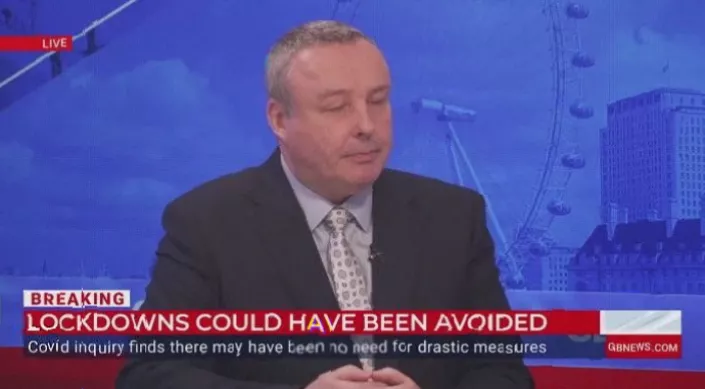
    A former senior scientist at the World Health Organisation has warned that a new international pandemic treaty will pave the way for repeated lockdown-style measures across the UK and other countries. Dr David Bell, who served as a WHO Scientific Officer and is the lead author of a report by the International Health Reform Project (IHRP), said the structure of the agreement makes such restrictions “inevitable”.

    “It is inevitable that we will end up in repeated lockdowns because of how the system is set up,” Dr Bell said. He argued that increased WHO funding, specifically earmarked for expanded pandemic surveillance and rapid-response triggers, would escalate potential threats into full-scale interventions. The measures he fears could return include school and business closures, mask mandates, quarantines and mass vaccination drives – steps that were not part of standard pandemic planning before 2020.

    The treaty’s aims and limitations

    The warning comes as the WHO prepares for crunch talks in Geneva on Monday to finalise the sweeping pandemic treaty, formally known as the WHO Pandemic Agreement. The pact was adopted by the World Health Assembly on 20 May 2025 and is the second legally binding international agreement negotiated by WHO member countries, following the Framework Convention on Tobacco Control. It will enter into force 30 days after 60 countries ratify it. The United States did not participate in the final negotiations and would not be bound by the agreement.

    The treaty is designed to improve international coordination on pandemic prevention, preparedness and response, learning from the failures of the Covid-19 response. Its key provisions include strengthening disease surveillance and a “One Health” approach that recognises the links between human, animal and environmental health; strengthening health systems and safeguarding the health workforce; coordinating research and development; improving local production capacity, including technology transfer; and establishing a global supply chain and logistics network, coordinated by the WHO, for rapid and equitable distribution of health products. A Pathogen Access and Benefit-Sharing (PABS) system is being negotiated as an annex to ensure countries that share critical virus samples receive resulting tests, medicines and vaccines, with the WHO holding a portion for lower-income countries. A coordinating financial mechanism is also planned to support pandemic prevention, preparedness and response capacities.
    WHO headquarters in Geneva hosting pandemic treaty negotiations

    However, critics point out that the treaty lacks an enforcement mechanism and contains no concrete funding obligations – commitments are largely voluntary with significant caveats. The agreement explicitly states it does not give the WHO the authority to mandate health measures such as lockdowns or vaccine mandates. Dr Bell and his co-authors argue that, despite this, the structure of surveillance and response triggers will lead national governments to implement such measures anyway. They describe the treaty as offering “lip service to equity” while failing to address the root causes of inequitable impacts during the Covid-19 pandemic.

    Funding and the influence of major contributors

    The central argument of the IHRP report is that the way the WHO is funded shapes its priorities – and ultimately the kind of pandemic response the world gets. The UK is one of the largest contributors to the WHO, committing hundreds of millions of pounds through direct funding and international partnerships. Between 2020 and 2024, the UK provided £340 million in core voluntary contributions, largely unearmarked flexible funding. For 2024 to 2028, the government has pledged up to £310 million in such funds. The UK also contributes to the WHO’s Contingency Fund for Emergencies.

    Dr Bell said the British taxpayer is effectively funding a system that goes looking for theoretical threats. “The British taxpayer is funding a system that is looking for theoretical threats that will then be used to justify locking them down and making them pay for vaccines,” he said. He added that it would be better to put more money into the NHS.
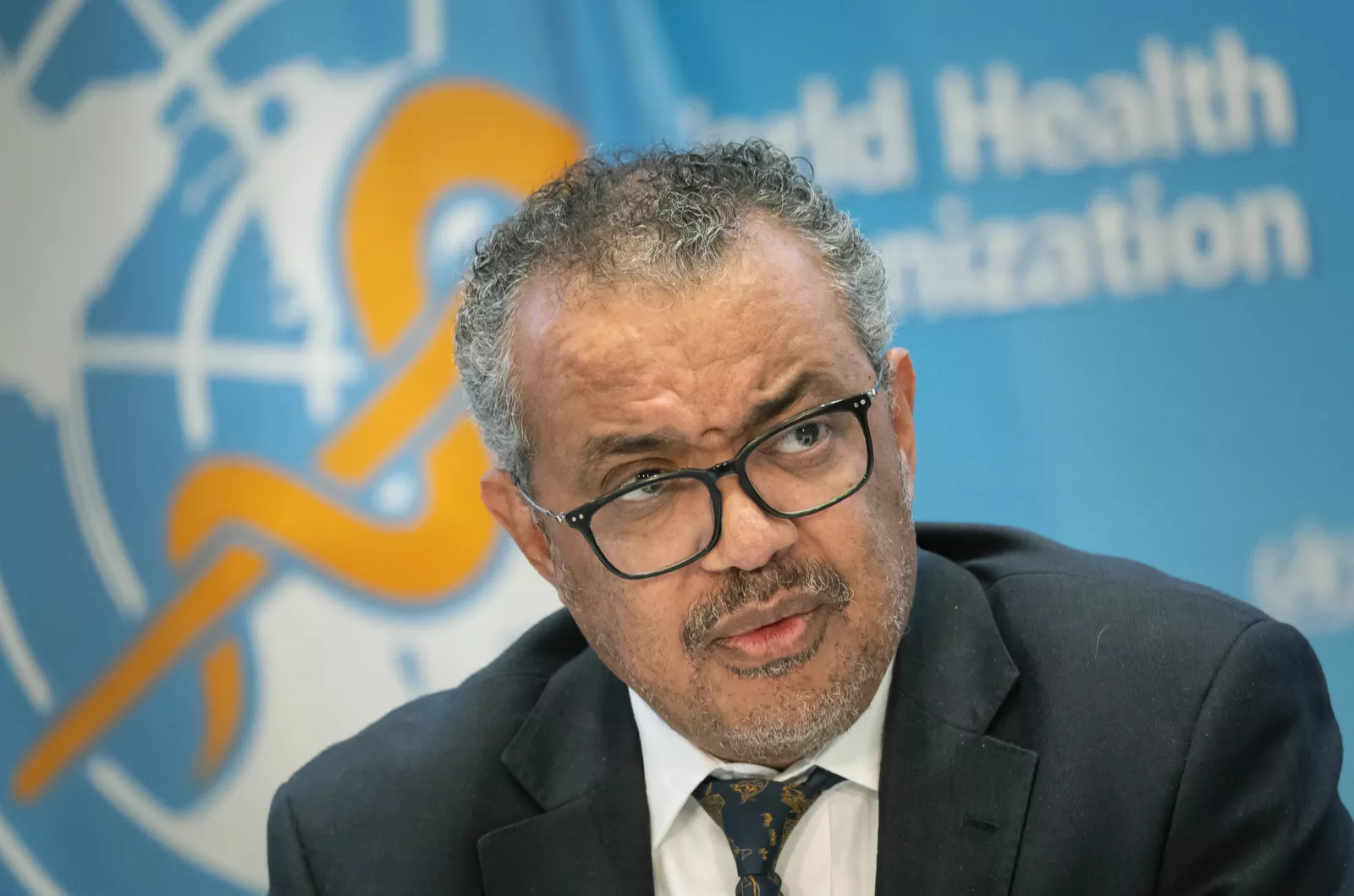
    Diagram of global disease surveillance network linking laboratories and governments

    The report argues that large-scale contributions to the WHO are frequently channelled into targeted initiatives – particularly vaccines, diagnostics and surveillance systems – with a significant proportion of funding earmarked for specific objectives rather than broader health needs that could save more lives. Critics say this concentration of funding risks aligning global health priorities with the interests of its major funding partners, rather than with broader health outcomes. It also means threats are identified and acted on more quickly through expanded surveillance systems, potentially triggering interventions before they are warranted.

    Professor Garrett Wallace Brown, co-author of the report, a current WHO advisor and global public health expert at Leeds University, described the situation as a perverse incentive structure. “These large sums of money from private organisations and from government organisations have skewed the agenda,” he said. “If you’re pumping in the largest donations to technical solutions, surveillance and vaccines it is inevitable you will have little choice but to do what is specified for it. It’s basic economics.” He said the system creates a self-reinforcing cycle in which what gets funded – and what produces measurable results – drives decision-making, rather than what delivers the greatest overall health impact. “It is an incentive structure which is perverse and circular perpetuating the cycle of investment in pharmaceuticals,” he added.

    Dr Bell, who formerly served as director of the Bill Gates-funded development laboratory the Global Good Fund, said global health prioritises areas that are more profitable for investors, rather than those that improve maximum healthcare. The report warns that this focus risks sidelining simpler but highly effective measures that underpin population health, such as healthy diets, clean water, appropriate use of antibiotics and vaccines, and good sanitation. “We do not have a more holistic aspect to what will save the most lives such as clean water, sanitation, basic nutrition and appropriate use of antibiotics,” Professor Brown said. He stressed that vaccines have a role but should not dominate: “I don’t think it is wrong to include vaccines, but we also have other health burdens. For example TB kills 1.3 million people a year.”

    British taxpayer money being allocated to international health funding programmes

    The authors say the Covid response accelerated these trends and shifted funding priorities. Professor Brown highlighted that since the 2020 pandemic, funding across the world for nutrition and health in low- and middle-income countries fell by 11% and has not recovered. At the same time, debt repayments linked to pandemic spending have reduced health budgets in poorer countries by 8.9%, weakening resilience to major diseases and long-term health challenges.

    The International Health Reform Project, linked to the Brownstone Institute, calls for the WHO to be completely overhauled or “replaced by an organisation better able to serve country needs”. Its report argues that the WHO is too heavily tied to pandemic threat response programmes such as vaccines and diagnostics, shaped by a relatively small group of powerful public, private and public-private funders.

    Antibiotics COVID-19 Nutrition Public Health Vaccination
    Share. Facebook Twitter LinkedIn WhatsApp Telegram
    Sophie Hargreaves
    Sophie Hargreaves

    Health Correspondent
    Sophie Hargreaves covers medical research, new treatments, disease outbreaks and prevention for Health News Daily. She holds a Master's degree in Health Sciences from the University of Leeds and has spent several years translating complex medical science into clear, accessible reporting for a general audience. Sophie focuses on the latest clinical trials, NICE and MHRA approvals, vaccination programmes and emerging health threats, always with an eye on what these developments mean for people in the UK.
    · MSc Health Sciences (University of Leeds), science communication volunteer, medical research literacy
    · Clinical trials and drug approvals (NICE, MHRA), cancer screening programmes, vaccination and outbreak response, women's health (endometriosis, PCOS, menopause), weight management treatments, AI in diagnostics

    Related Posts

    Disease & Prevention

    Norovirus outbreak detains hundreds of UK passengers aboard berthed cruise ship

    13 May 2026
    Disease & Prevention

    Mother diagnosed with condition after baby daughter dies 48 hours after birth

    13 May 2026
    Disease & Prevention

    Passenger offers inside view of quarantine unit after cruise ship hantavirus outbreak

    13 May 2026
    Disease & Prevention

    Student nurse, 21, describes immediate impact of cancer diagnosis on her life

    12 May 2026
    Join Our Community & Win

    Each month we select one lucky follower to receive a prize from our partners. Follow us on our social channels for your chance to win.

    • Facebook
    Latest
    NHS

    Muslim NHS worker in line for £25,000 after trans women permitted in women’s toilets

    14 May 2026
    Wellness & Lifestyle

    Fibre supplement could bring gut back to normal for constipation sufferers

    14 May 2026
    Treatment & Research

    After Jesy Nelson campaign, NHS expands SMA treatments to hundreds more children

    14 May 2026
    Health Policy

    Families back comprehensive and wide-ranging review of Sussex maternity failings

    13 May 2026
    Treatment & Research

    59,000-year-old tooth shows Neanderthals performed dental drilling with stone implements

    13 May 2026
    Health Policy

    Father takes legal action against NHS in High Court over transgender teen’s hormone treatment

    13 May 2026
    News Categories
    • NHS
    • Health Policy
    • Mental Health
    • Wellness & Lifestyle
    • Disease & Prevention
    • Treatment & Research
    Help
    • About Us
    • Contact Us
    • Advertise With Us
    • Health Explainers
    • Our Editorial Team
    About Us
    About Us

    Health News Daily provides trusted UK health news, covering NHS updates, medical research, public health and wellbeing with clear and reliable reporting.

    Facebook
    • Cookie Policy
    • Privacy Policy
    • Complaints Policy
    • Corrections Policy
    • AI Disclosure Policy
    • Editorial Policy & Ethics
    • Accessibility Statement
    • Medical Disclaimer
    • Terms & Conditions
    • Sponsored Content Disclosure
    • Copyright Notice
    © 2026 Healthnewsdaily.co.uk. All rights reserved.

    Type above and press Enter to search. Press Esc to cancel.