


A curious and slightly alarming question posted to Reddit – “A guy told me his semen has crystals in it. What does that mean?” – has drawn attention to a common but often silent male health condition. According to medical experts, the gritty particles described are unlikely to be crystals formed in semen itself, but are almost certainly small prostate stones, medically known as prostatic calculi, that have been expelled during ejaculation.
From Online Query to Medical Explanation
The social media post prompted a mix of jokes, horror, and claims of similar experiences. However, Dr Clair Grainger, a medical expert from Superdrug Online Doctor, clarifies that the phenomenon is a well-documented, if poorly understood, issue. Prostatic calculi are small, mineralised deposits, primarily composed of calcium phosphate, that form within the prostate gland. They can range from the size of a poppy seed to larger formations, and a man may have anything from a single stone to hundreds.
If these stones are small enough, they can be passed naturally, either during urination or, as the Reddit user described, within semen. This can give the fluid a gritty texture or the appearance of containing tiny crystals.
The Causes and Potential Symptoms of Prostatic Calculi
The formation of these stones is typically multifactorial, often stemming from a combination of inflammation, ageing, and lifestyle. Dr Grainger identifies long-term prostate inflammation, known as prostatitis—whether bacterial or non-bacterial—as a primary cause. This inflammation can be part of chronic pelvic pain syndromes. Furthermore, as men age, hormonal shifts and changes in prostate function increase the likelihood of stone development.

Obstruction plays a key role; blockages in the prostate’s ducts, frequently due to the benign prostate enlargement (BPH) common in older men, can cause prostatic secretions to stagnate and calcify. In some cases, a reflux of urine back into the prostatic ducts contributes to stone formation. Lifestyle factors are also implicated, including chronic dehydration, which concentrates minerals, diets high in calcium or processed foods, and prolonged periods of sitting.
While many men with prostatic calculi experience no symptoms at all—often discovering them incidentally during scans for other issues—they can cause significant discomfort for others. Symptoms are often linked to the inflammation or obstruction the stones create. Dr Grainger notes these can include a dull ache or pressure in the lower pelvis, perineum, or lower back, as well as stinging pain during urination or ejaculation.
Other potential urinary symptoms include increased frequency, especially at night, difficulty urinating, and a weak stream. In terms of sexual health, beyond painful ejaculation, prostatic calculi have been associated with erectile dysfunction and changes in semen. Critically, persistent calcifications can interfere with the prostate’s role in semen production. “This may lead to reduced semen volume and changes in semen appearance, which can affect fertility if left untreated,” Dr Grainger explains. Research indicates that the associated inflammation can impair semen quality and, in some cases, larger stones have been linked to decreased sperm motility.
Prevalence and Impact: A Hidden Condition
Establishing exactly how common prostatic calculi are is difficult, with prevalence estimates ranging wildly from 7% to 70% of men. This wide variance is almost entirely due to the asymptomatic nature of many cases. “Most people never know they have prostate stones as they are often only found during a prostate scan,” says Dr Grainger. The condition is strongly age-related, with some experts suggesting almost every man will develop one or more stones after the age of 60-65.
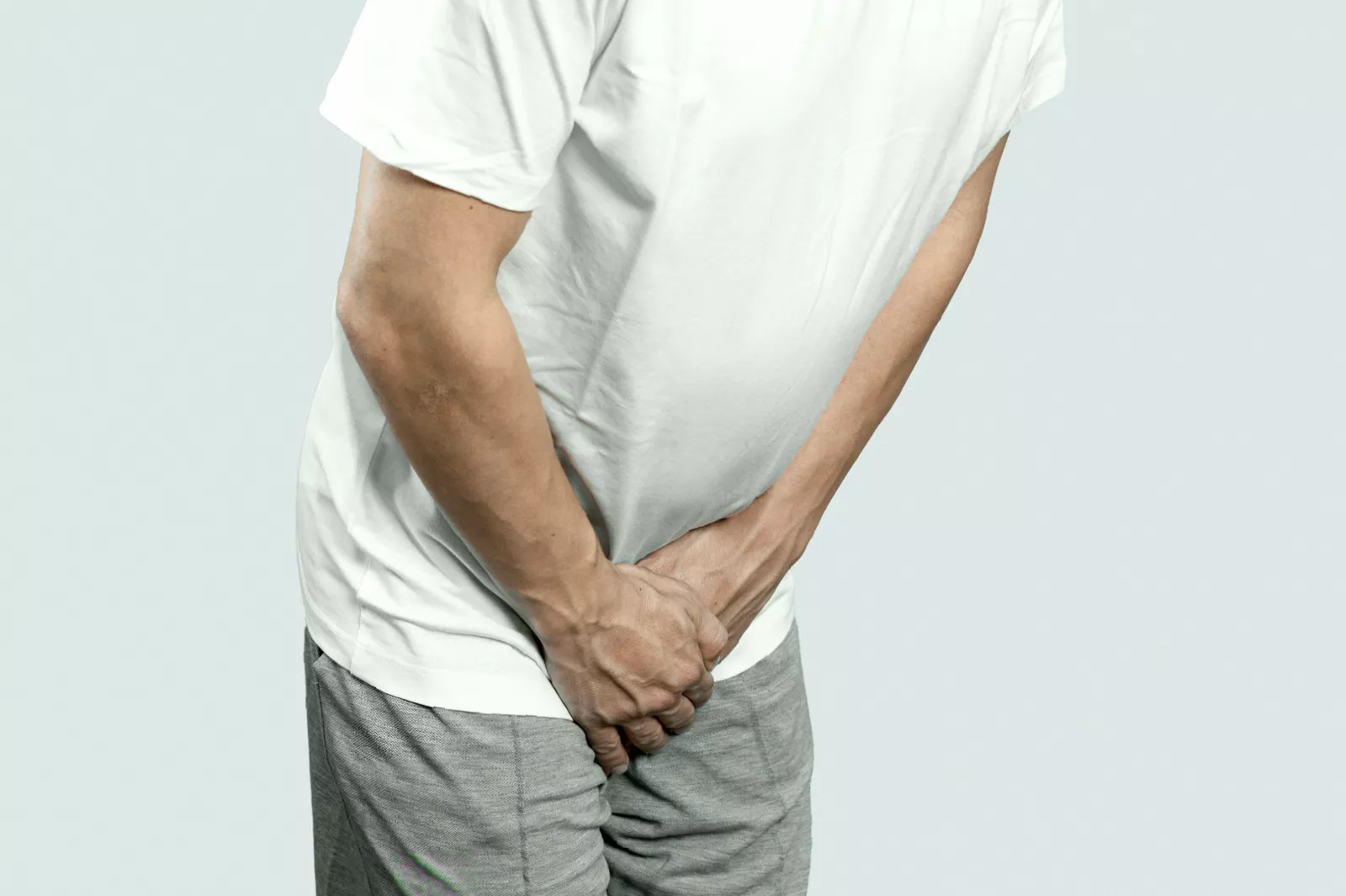
For those who do have symptoms, the impact can extend beyond discomfort. The stones can act as a reservoir for bacteria, leading to recurrent urinary tract infections or prostatitis. Therefore, while the initial observation of “crystals” in semen might be benign, it can be a sign of underlying inflammation that warrants medical attention.
Diagnosis typically involves a consultation with a GP or urologist, a digital rectal examination, and most commonly a transrectal ultrasound (TRUS), which quickly identifies the calcifications. A full STI screening is also recommended to rule out infections like chlamydia or gonorrhoea, which can cause calcification in the reproductive tract over time.
Treatment varies. For asymptomatic stones, often no intervention is needed, and small calculi may be flushed out naturally in urine. When symptoms are present, management can include antibiotics for any concurrent infection, lifestyle modifications like increased hydration and dietary changes, and pain management. For more severe cases causing significant obstruction or chronic pain, minimally invasive surgical procedures, such as transurethral resection, can be used to remove the stones.