

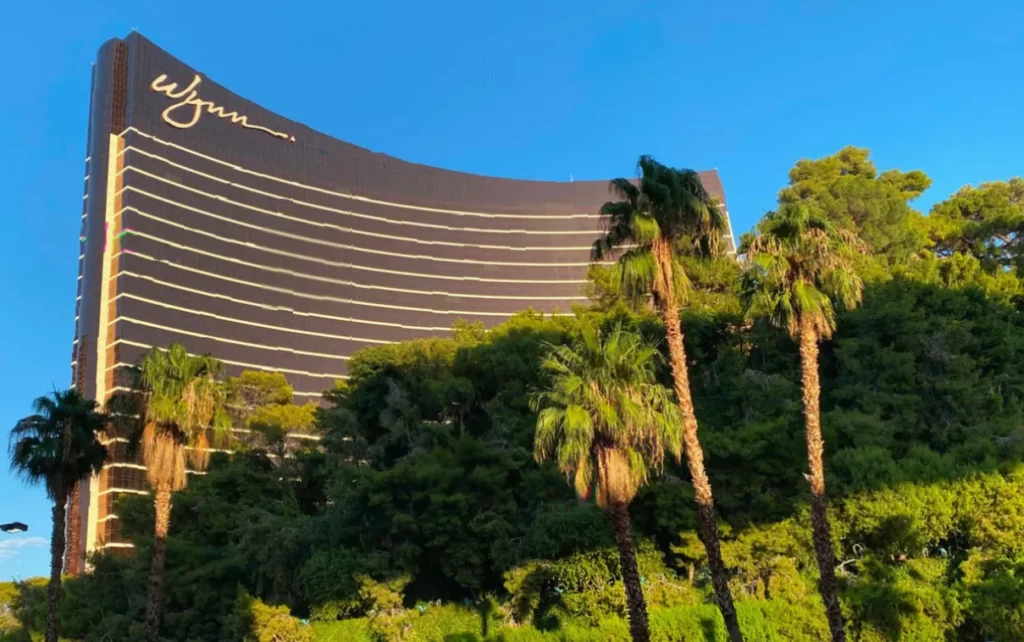
Two guests who stayed at the Wynn Las Vegas hotel and casino on separate occasions have contracted Legionnaires’ disease, prompting an investigation by the Southern Nevada Health District. One individual stayed at the resort in September 2025 and the other in February 2026; both have since recovered, the health district said this week.
Investigation and Remediation
The Southern Nevada Health District confirmed that environmental testing uncovered multiple water samples from the facility that tested positive for Legionella bacteria. In response, the resort carried out “immediate, proactive steps to remediate the system and ensure the highest standards of water quality,” according to a Wynn Las Vegas spokesperson. The most recent follow‑up samples have shown no detectable levels of the bacteria in the affected areas, the district said, and the resort continues testing to guarantee the safety of its water systems.
Wynn Las Vegas has notified guests about the potential exposure and is cooperating fully with the health district’s investigation. Anyone who stayed at the resort on or after September 1, 2025, is being urged to complete a confidential illness survey, even if they experienced only mild symptoms that have since resolved. The Southern Nevada Health District serves Clark County, which includes Las Vegas, and has previously investigated Legionnaires’ disease cases linked to other hotels in the area — including the Rio Hotel and Casino (seven confirmed cases in 2017), South Point Hotel and The Grandview at Las Vegas (five cases investigated in 2025), and The Orleans Hotel and Casino (an outbreak investigated in late 2022 and early 2023).
The Illness and Its Risks
Legionnaires’ disease is a severe form of pneumonia caused by Legionella bacteria. People contract it by inhaling water droplets or mist containing the bacteria; it is not transmitted from person to person. The bacteria thrive in warm, moist environments and are commonly found in man‑made water systems such as cooling towers, hot tubs, showers, plumbing systems, fountains and hot water tanks. Large air‑conditioning systems, particularly those with cooling towers, have been a frequent source of outbreaks in hotels and other large buildings.
Symptoms typically appear two to ten days after exposure and can include cough, shortness of breath, fever, muscle aches and headaches. Most healthy people who are exposed to Legionella do not become ill, officials said. However, the disease can be deadly: the U.S. Centers for Disease Control and Prevention reports that one out of every ten people who contract Legionnaires’ disease will die from complications, which can include lung failure and other organ damage. People at increased risk include those with compromised immune systems, those under the age of 50, and smokers. The Southern Nevada Health District also notes that individuals aged 50 and older, people with chronic lung disease, diabetes, kidney or liver failure, and current or former smokers are particularly vulnerable.
The U.S. Occupational Safety and Health Administration estimates that around 6,000 cases of Legionnaires’ disease are reported each year in the United States, although scientists believe the actual number is significantly higher because the illness is difficult to distinguish from other types of pneumonia. Cases have been detected in all 50 states and have been rising since the early 2000s. Researchers say higher temperatures fueled by climate change are partially to blame, as warmer water systems provide ripe conditions for bacterial growth. Warmer ambient temperatures and increased humidity can cause cold water systems and cooling towers to reach temperatures that encourage Legionella proliferation. Nevada averages approximately 21 cases per year statewide, with about 20% of those being travel‑related.
Prevention and Broader Context
In response to rising case numbers, public health authorities have emphasised control measures. The North Carolina Department of Health and Human Services, which reported that cases in the state rose from 201 in 2024 to 310 last year, advises people to flush out faucets or showerheads if they have not been used for three or more days, drain garden hoses, clean CPAP machines and regularly disinfect hot tubs. “The primary way to prevent Legionnaires’ disease is to control the growth and spread of Legionella in home water systems and in facilities with shared water systems,” the department said.
Wynn Resorts operates a sustainability programme called Goldleaf, which addresses environmental and climate challenges. The company has implemented water conservation measures, including reducing water consumption and investing in smart technologies; in 2021, Wynn Las Vegas reduced its annual water consumption by 16% compared to 2019. A spokesperson for the resort said a “comprehensive water management safety plan has been implemented to prevent recurrence” and that ongoing testing, conducted in coordination with the health district, confirms there is no ongoing risk to guests.
Other cases of Legionnaires’ disease have been reported this year in New York and North Carolina, the latter of which saw a sharp increase in infections. The Southern Nevada Health District continues to urge anyone who stayed at the Wynn Las Vegas on or after 1 September 2025 to complete the confidential illness survey, even if they have no symptoms, to help health officials identify the full extent of the exposure and prevent further cases.