

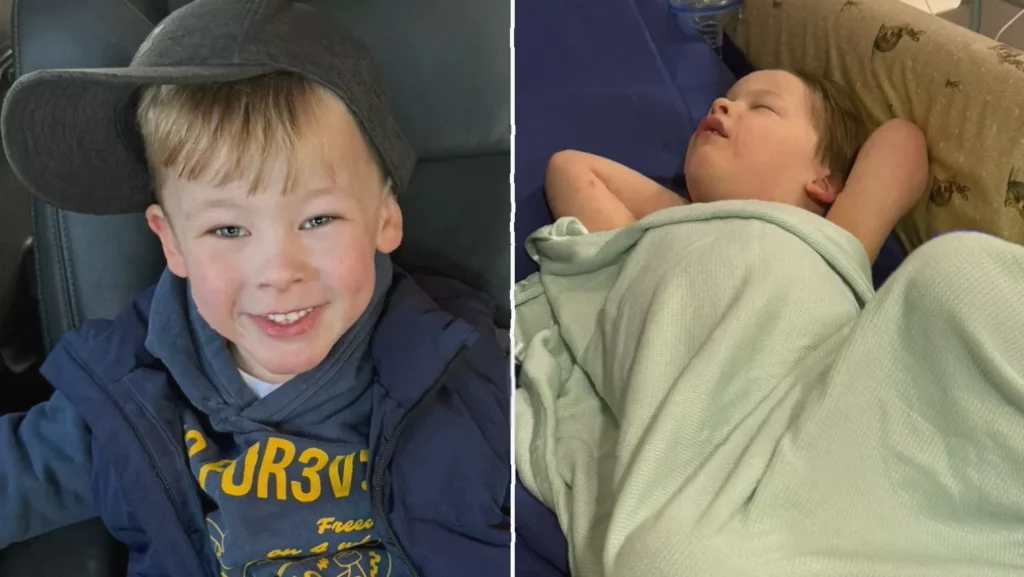
A four-year-old boy was diagnosed with a fast-growing form of leukaemia after developing what his mother initially dismissed as a mild temperature. Alfie Dunne, from Bolton, was sent home from nursery in March with a slight fever that did not raise alarm. “It was just a mild temperature and there was no indication he might even have a bug,” said his mother, Stacey Dunne, 34. She gave him Calpol and, for about a week, he continued to eat, drink and play normally.
The diagnosis and hospital journey
After roughly a week, Alfie became lethargic and developed a spotty rash that Stacey said “looked just like freckles” and would have been hard for anyone who did not know him to notice. His temperature then shot above 40 degrees Celsius, prompting a call to NHS 111. Alfie was taken to A&E, where blood tests revealed a dangerously low platelet count – a red flag for leukaemia. He was transferred to Royal Manchester Children’s Hospital, the regional Paediatric Haematology and Oncology unit for the North West of England, where doctors delivered the news in early April: Alfie has B-cell acute lymphoblastic leukaemia (ALL), an aggressive blood cancer that primarily affects children aged two to five.
Chemotherapy began immediately. The initial treatment was “particularly traumatic” for Alfie, according to his mother. Fevers refused to come down, forcing the family to use ice packs for relief. Alfie became terrified of cannulas and began having meltdowns whenever any healthcare worker in uniform came near him. The hospital’s play team, especially a staff member named Triona, helped him adjust. “She’s also helped him get used to staff taking bloods and giving him treatment,” Stacey said.
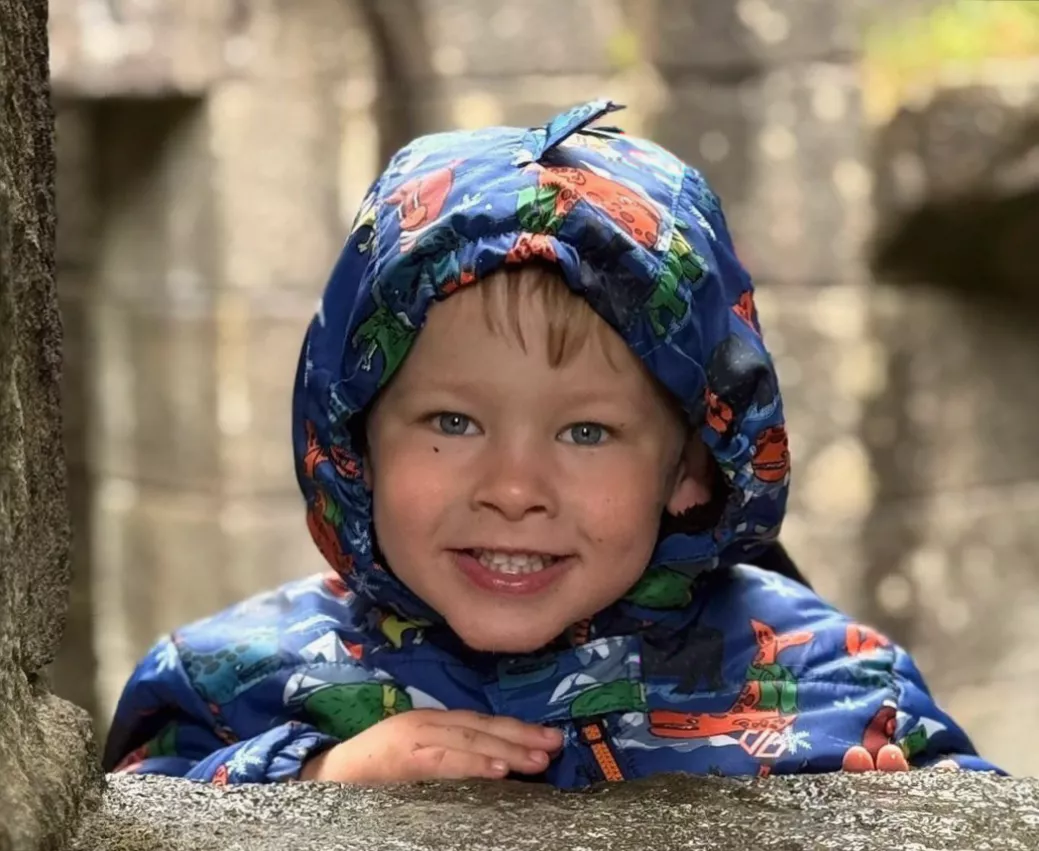
Now, Alfie is responding well to the chemotherapy, and his mother describes glimpses of the “old Alfie” returning. “He is so strong, brave and overcomes his fears,” she said. But the road ahead remains arduous. Alfie is currently being treated in isolation after catching adenovirus – a common virus that can cause severe, life-threatening respiratory infections in immunocompromised patients. In children with weakened immune systems, adenovirus can lead to pneumonia, disseminated disease and a mortality rate of up to 70% in severe cases. Treatment is largely supportive, and Alfie cannot leave his hospital room.
The overall treatment plan for ALL typically spans more than two and a half years. Alfie faces at least one month of intensive chemotherapy in hospital, followed by a maintenance phase designed to eliminate any remaining leukaemia cells and prevent relapse. Even after discharge, he will need to return to hospital several times a week for ongoing treatment.
The toll on the family
The distance between the family’s home in Bolton and Royal Manchester Children’s Hospital has placed enormous emotional and financial strain on Stacey, her husband Andrew Phillips, and their two daughters, Amelia and Evelyn. “We can’t work, we’re miles from home and we can’t see his sisters very often, which has been hard,” Stacey said. The prolonged separation from her daughters is a constant source of distress.
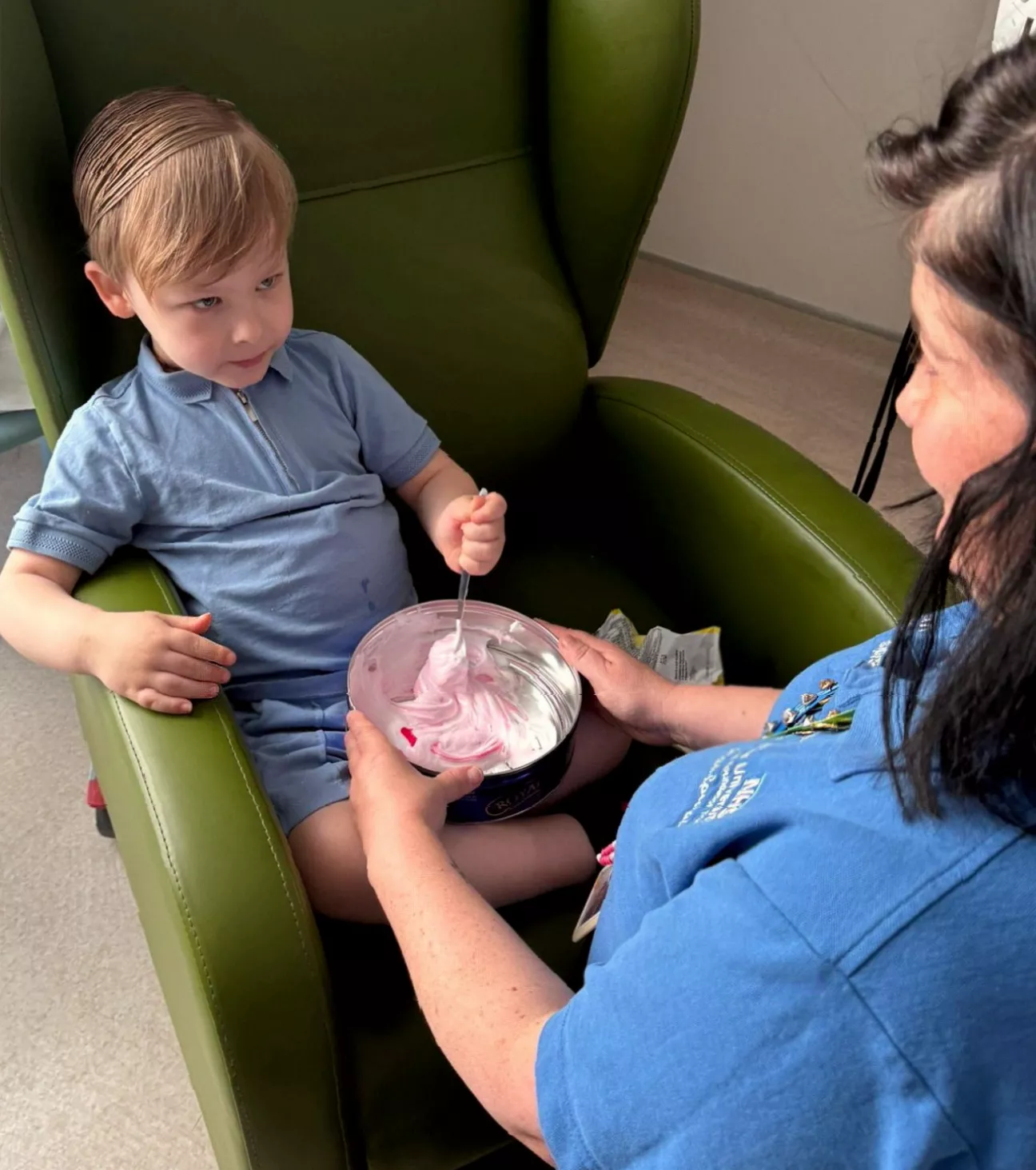
Stacey herself lives with multiple sclerosis, and the stress of Alfie’s illness has taken a physical toll. Research indicates that stress can trigger flares in relapsing-remitting MS by disrupting the immune system and causing chronic inflammation. “The stress and emotions have made it such an exhausting experience,” she said. The family’s financial situation is precarious: both parents are unable to work, and the costs of travel, accommodation and household bills are mounting.
Friends and supporters have rallied. A GoFundMe page set up by the family has raised £1,747 so far, just shy of its £2,000 target. The funds are intended to cover travel, accommodation and everyday expenses. Additional community fundraising events are planned, including a 60-mile bike ride and a fishing fundraiser. A range of charities – including Young Lives vs Cancer, Blood Cancer UK, Leukaemia CARE, the Children’s Cancer and Leukaemia Group, Macmillan Cancer Support, and Millie’s Smiles – provide information, specialist social workers, and practical help such as toys and blankets for families facing sudden hospital stays.
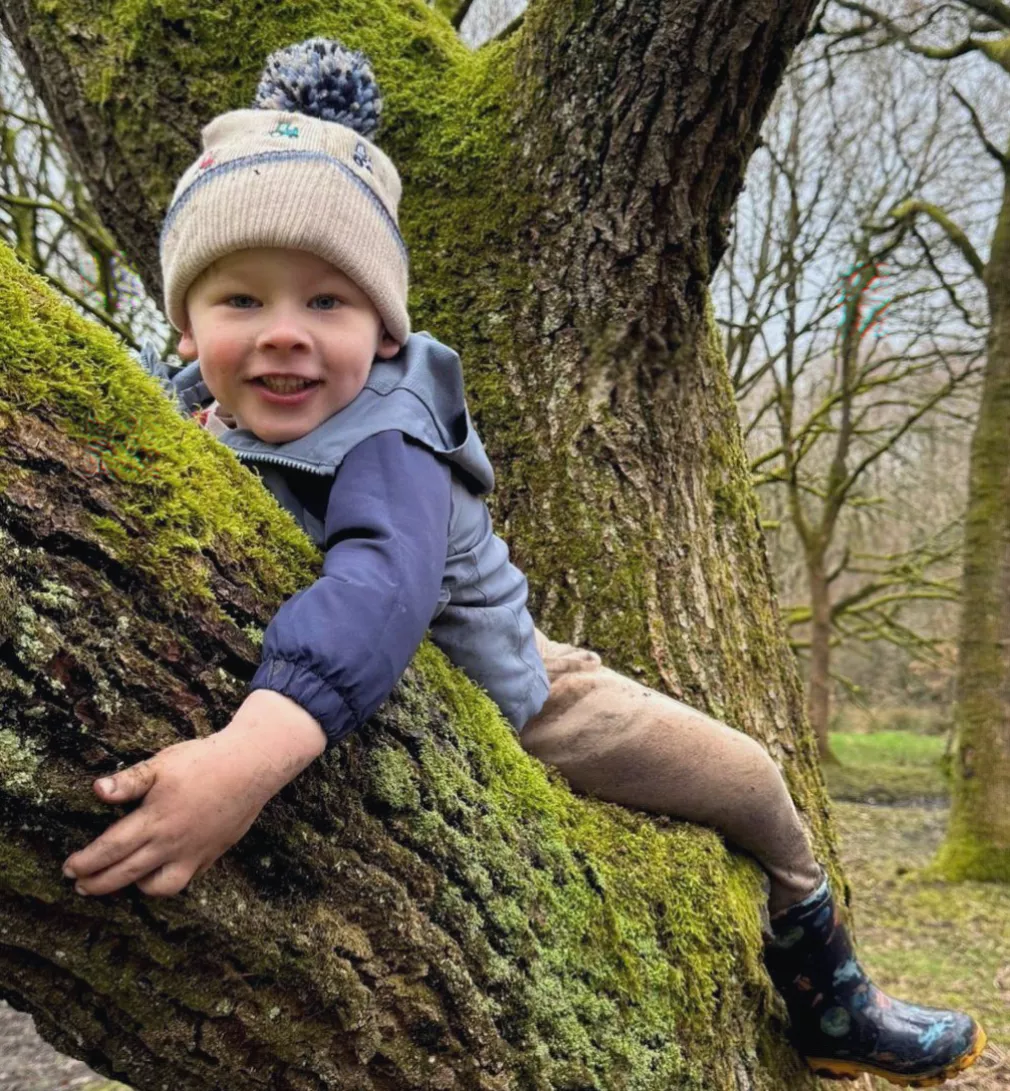
Despite the hardships, Stacey remains focused on her son. “Right now, our only focus is Alfie – holding his hand through every treatment, comforting him when he’s scared, and trying to keep his little world as safe and loving as possible during such a frightening time,” she said. “For everyone that has supported us already, we are truly grateful. The kind words, the donations and those just sharing our page have made this all a little bit less stressful for us.”
Alfie, described by his mother as “switched on,” “the sweetest boy,” and a born comedian who tells her a hundred times a day that she is his “bestest girl in the whole world,” is already showing remarkable strength. “He tells me a hundred times a day how much he loves me and that I’m his bestest girl in the whole world,” Stacey said. “Alfie is already showing us just how strong he is. Now we’re doing everything we can to stand strong for him.”