

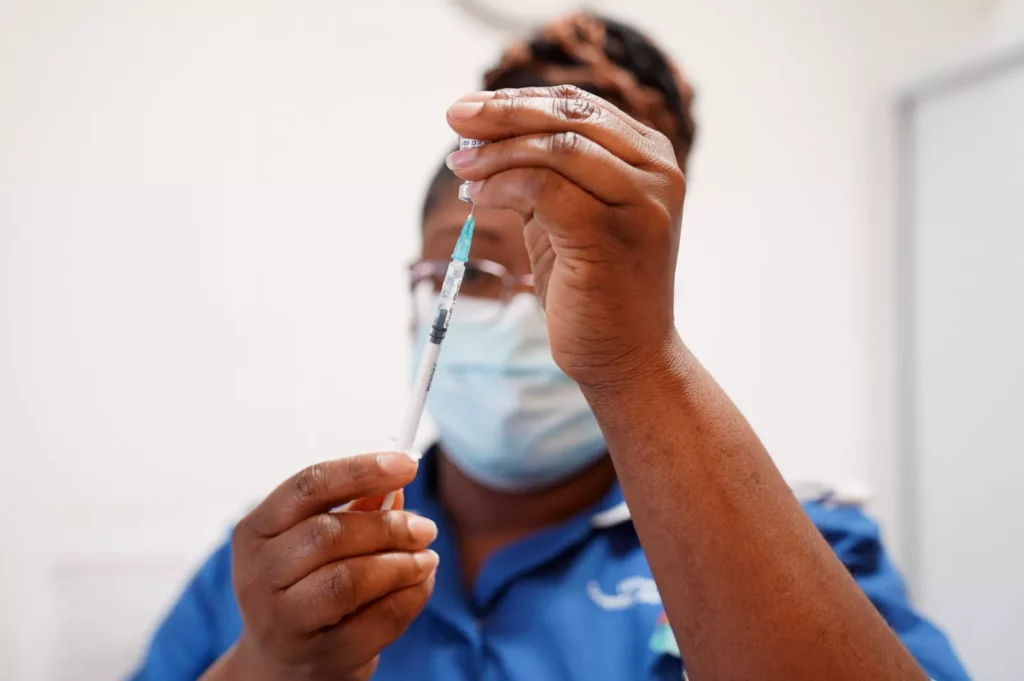
Millions of older and vulnerable people across England can now book appointments for a spring Covid-19 vaccination, with tens of thousands of daily slots available through the NHS.
The spring programme, which runs until 30 June 2026, is open to three key groups: everyone aged 75 and over, residents in care homes for older adults, and individuals aged six months and over with a weakened immune system. Officials at NHS England have confirmed that those who will turn 75 by the 30 June 2026 cutoff do not need to wait for their birthday to book. People in the eligible groups are being invited to come forward but can book immediately without waiting for formal notification.
Appointments can be secured through several channels. The primary methods are using the NHS App, booking online via the NHS website, or calling the free 119 telephone line, which offers support in over 200 languages. Individuals can also visit walk-in vaccination sites without a prior appointment. For those who need additional support, such as home visits or help with communication, contacting their GP surgery is recommended. The National Booking Service will close for online appointments on 29 June 2026.
Why a spring jab remains essential
Health authorities are urging uptake because the protection offered by previous vaccinations naturally diminishes. “Previous immunity can wane over time,” stressed Caroline Temmink, director of vaccination at NHS England. This “waning immunity” refers to the gradual decrease in antibody levels and vaccine effectiveness months after a previous dose. While protection against severe illness tends to fade more slowly than protection against infection, booster doses are crucial to restore and maintain high levels of defence for those most at risk.
The need for sustained protection is underscored by the virus’s continual presence and evolution. Covid-19 spreads year-round and remains a life-threatening risk for the elderly and clinically vulnerable. The UK Health Security Agency (UKHSA) is currently monitoring several circulating variants, including XFG and NB.1.8.1, and predicts the BA.3.2 variant may become dominant. While these are not currently assessed as causing more severe illness, they may have a greater ability to evade existing immune responses.
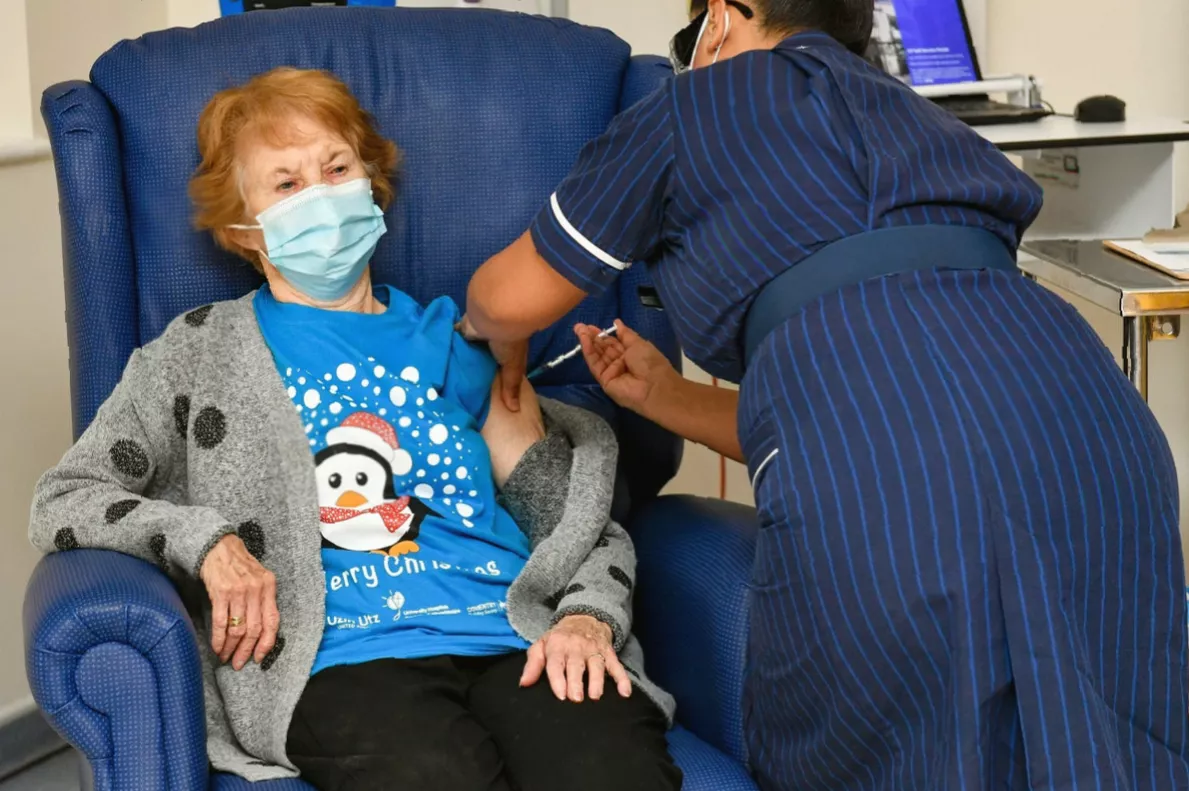
The long-term effects of infection also present a significant concern. Millions of people in the UK have experienced Long COVID, with symptoms like severe fatigue, cognitive difficulties, and breathlessness persisting for months or years, impacting daily life and healthcare resources.
The pandemic has also highlighted and exacerbated entrenched health inequalities. Socially vulnerable groups, including those from lower socioeconomic backgrounds, certain ethnic minorities, and disabled people, have been disproportionately affected. Barriers such as digital exclusion have historically impacted vaccine access, a challenge the multi-channel booking system aims to address. Past campaigns have seen high uptake overall—nearly 80% of eligible over-75s took up a spring booster by May 2022—though rates have varied across different ethnic groups.
The clinically extremely vulnerable group, previously advised to shield, are among those for whom maintaining vaccination is considered particularly critical. NHS England recommends having the spring vaccine at least three months after a previous Covid-19 jab.