

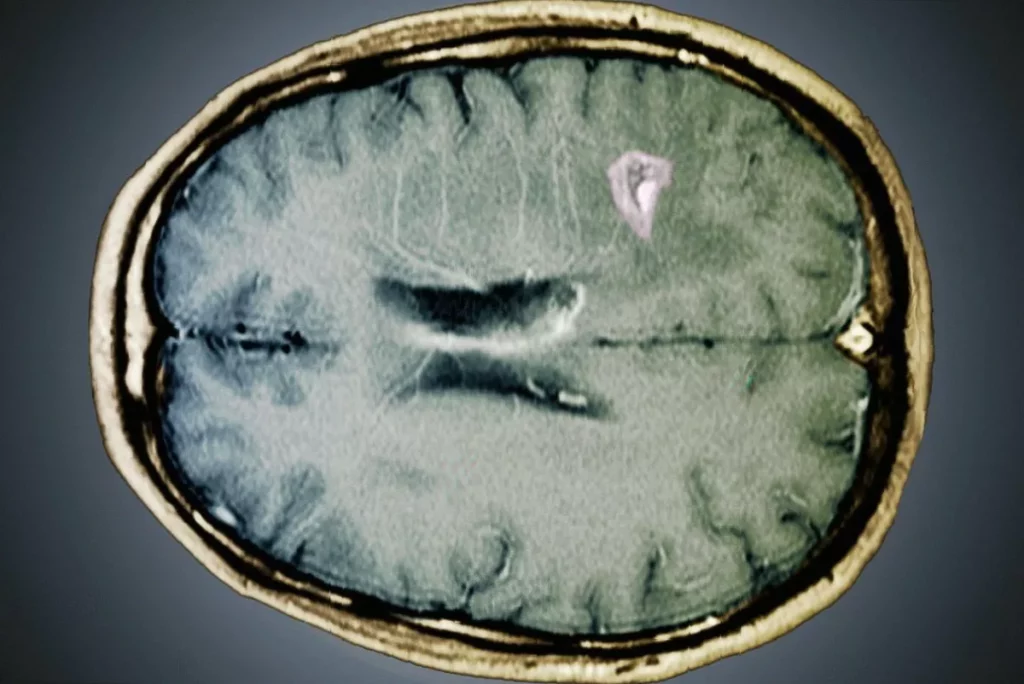
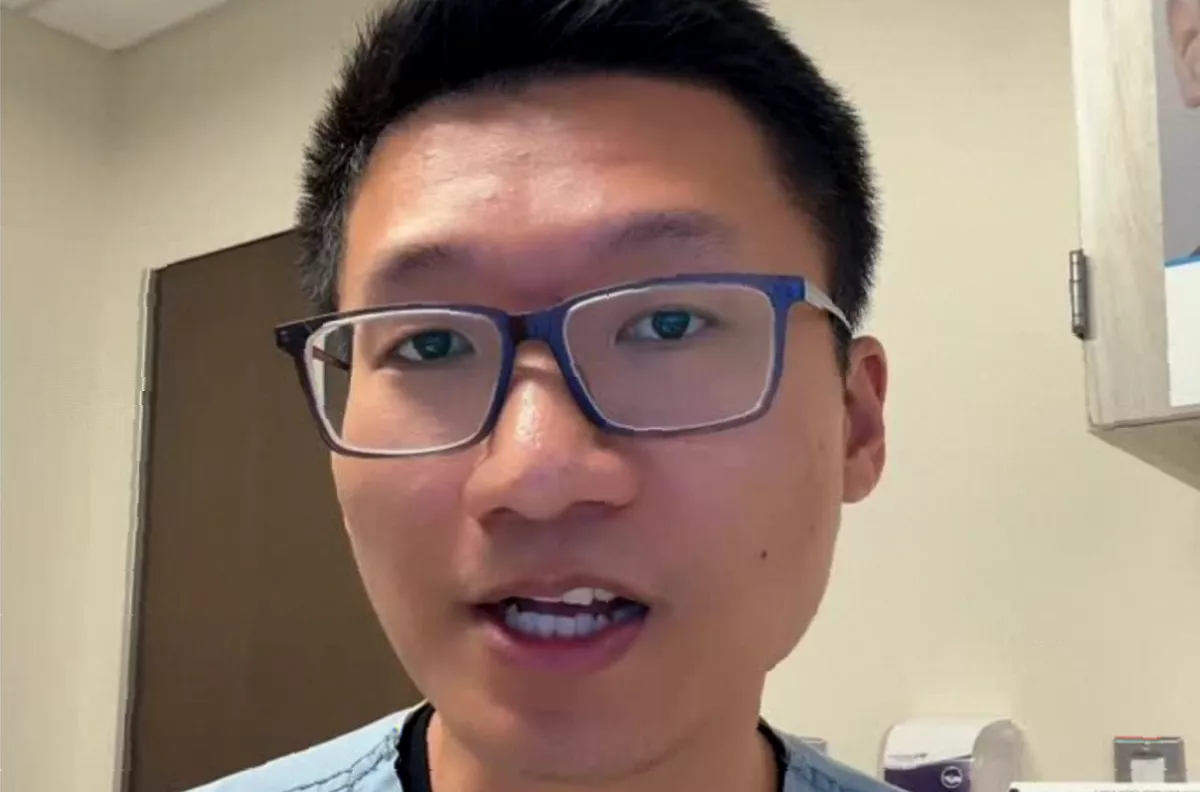
Three everyday activities that many people consider harmless could unexpectedly trigger a stroke, a leading neurologist has warned. Dr Baibing Chen, a board-certified neurologist who also holds a public health qualification and is known online as Dr Bing, shared his warnings in an Instagram post, saying he personally avoids these behaviours. While most individuals will not be affected, the physician explained that in certain circumstances they can set off a dangerous sequence of events culminating in a stroke.
Massage guns: a risk to delicate arteries
The first habit Dr Chen warns against is using massage guns on the neck, particularly the front and sides. This region contains the carotid arteries along the sides and the vertebral arteries at the rear, both essential for delivering oxygenated blood to the brain. Forceful, rapid pressure applied to this sensitive zone can harm the arterial lining, potentially causing a cervical artery dissection — a small tear within the vessel wall. Should a tear occur, the body responds by forming a blood clot, which may dislodge and travel to the brain, triggering an ischemic stroke.
Medical literature includes case reports linking the repetitive use of massage guns to vertebral artery dissection in young women, who presented with symptoms such as headache, neck pain and dizziness. The mechanism is straightforward: the forceful pressure from the gun can injure the arterial lining, particularly where arteries are more superficial and less protected by muscle and bone. Arterial walls are delicate, likened to an onion’s layers, and susceptible to damage from force or manipulation. Individuals with a family history of tissue frailty and women may be at higher risk, though identifying these individuals is challenging.
While trauma is a common cause, cervical artery dissections can also occur spontaneously, sometimes linked to underlying connective tissue disorders such as Ehlers-Danlos syndrome or Marfan syndrome, migraines, or infections. The risk is not limited to massage guns — activities involving sudden neck movements, extreme rotation or hyperextension, or sustained awkward neck positions can also increase the risk of dissection. These include car accidents and whiplash, certain sports (swimming, scuba diving, skating, dancing, tennis, basketball, volleyball, yoga, wrestling, weightlifting), riding roller coasters, jumping on a trampoline, giving birth, having sex, violent coughing or vomiting, chiropractic manipulations or neck adjustments, and even receiving CPR.
Vertebral artery dissection is a common cause of stroke in young and middle-aged adults, accounting for up to 25 per cent of stroke cases in this age group. Cervical artery dissections, in general, are a common cause of stroke in people under 50. Symptoms can include headache, neck pain, dizziness, visual disturbances, and classic stroke symptoms such as difficulty speaking or impaired coordination.

Neurologists strongly advise against using massage guns on the neck. Dr Chen recommends gentle stretching, warm compresses or light manual massage as safer alternatives, and urges anyone experiencing neck pain to seek professional medical attention rather than self-administered treatments.
Prolonged neck hyperextension: compressing blood flow
The second habit Dr Chen highlights is prolonged neck hyperextension — tilting the head far backwards for sustained periods. This positioning commonly occurs during salon hair washes, ceiling painting, or gazing upward at screens. Brief stretches present little concern, but maintaining this posture compresses the vertebral arteries as they pass through the small bony openings in the neck vertebrae. This kinking effect can restrict cerebral blood flow, causing dizziness or visual disturbances in some individuals, and in certain cases can contribute to stroke.
Dr Chen suggests maintaining a neutral spinal position where possible, taking regular breaks during overhead tasks, and using a rolled towel for neck support when reclining at the hairdresser.
Squeezing spots in the ‘triangle of death’
The third habit involves squeezing spots within the so-called “triangle of death” — a genuine anatomical term describing the zone from the bridge of the nose down to the corners of the mouth. Veins beneath this facial region connect to deeper cranial vessels draining into the cavernous sinus, a cavity situated beneath the brain behind the eye sockets. Bursting a blemish here risks introducing bacteria into the bloodstream, which can travel backwards into this sinus.
Severe infection may prompt a condition known as septic cavernous sinus thrombosis (CST), where a blood clot forms in the cavernous sinus. Most commonly, CST arises from infections in the face or skull, such as sinusitis, dental abscesses, or boils. Staphylococcus aureus is the most frequent bacterial culprit. Early symptoms can include severe headache, fever, swelling around the eyes, and paralysis of the eye muscles. Complications can include brain abscess, meningitis, vision loss, neurological deficits, and stroke.
Although modern antibiotics have made such outcomes highly uncommon, Dr Chen maintains the risk persists. Experts emphasise that infections in this area have a direct route to the brain. Patients are advised to avoid picking or squeezing spots in this region and to consult a dermatologist for proper care.
These warnings come against a backdrop of broader stroke prevention concerns. Stroke occurs over 100,000 times per year in the UK, is a leading cause of death — responsible for 34,000 deaths annually — and is the single biggest cause of severe disability. While age is a significant factor, with risk doubling after 55, strokes are increasingly affecting younger individuals, with a notable rise in admissions among those aged 50-59. Up to 80 to 90 per cent of strokes are considered preventable through early identification and correction of risk factors via lifestyle changes.