

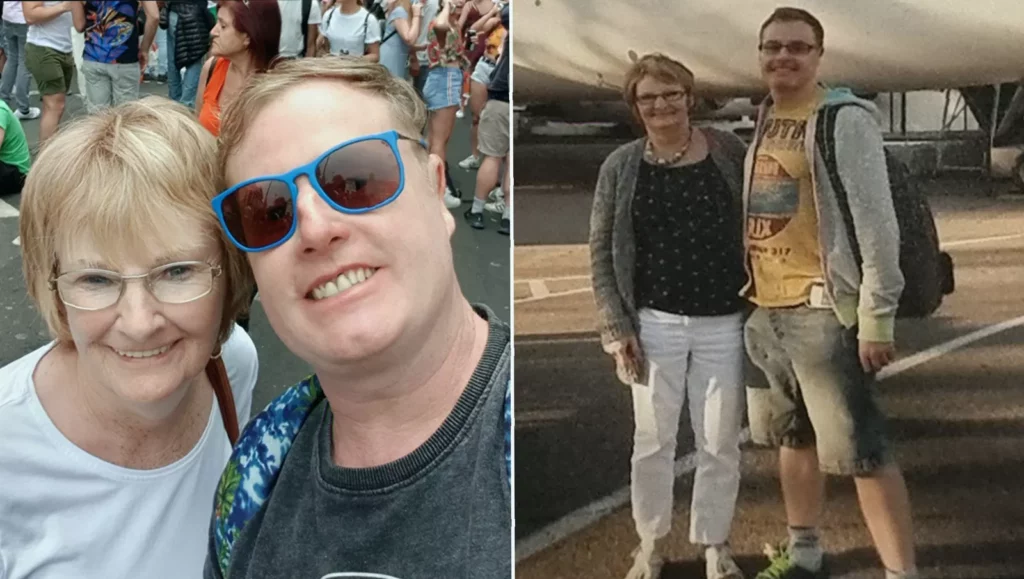
For six months, Phil and his mother rode a rollercoaster of hope that defied medical expectation, only for it to end in the cruellest of drops. A diagnosis of aggressive small cell lung cancer was met with a miracle remission, followed by a sudden and devastating relapse that took her life within days.
His mother’s ordeal began in August 2021, when she was 68. Dangerously low sodium levels, a condition known as hyponatremia which can cause confusion and loss of balance, were the red flag. Doctors delivered a stark ultimatum: start chemotherapy immediately or she had less than a week to live. She began an aggressive course of treatment for small cell lung cancer (SCLC), a particularly virulent form of the disease known for its rapid spread. Against the odds, after just two rounds of chemo—far fewer than the typical four to six—scans showed her lungs were completely clear. Her consultant described it as miraculous.
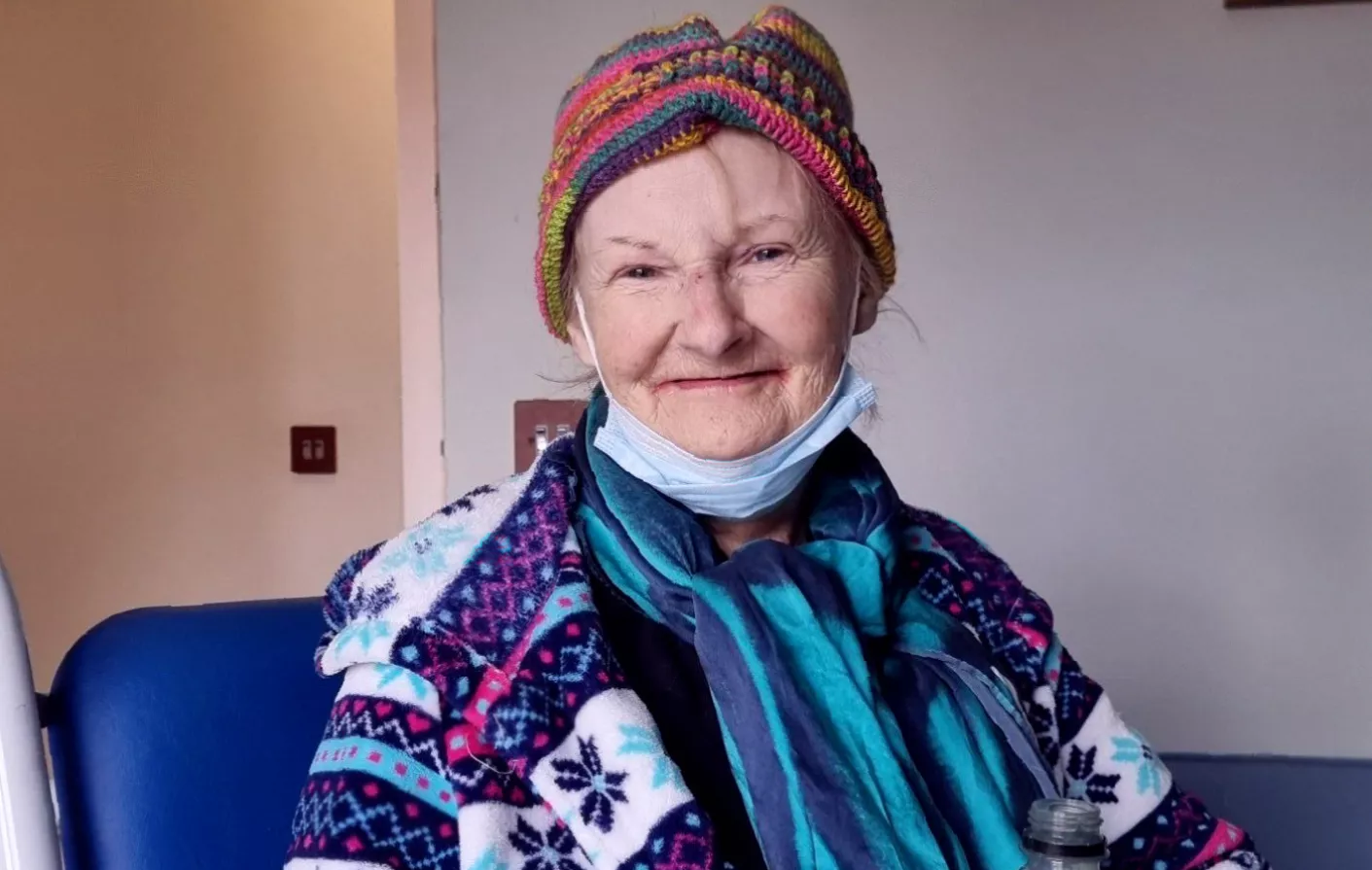
The joy was profound but brief. By February 2022, the familiar symptom of plummeting sodium levels returned. The cancer had come back and spread widely. This time, there were no treatment options left. Phil was told his mother had only days to live, a prognosis that proved tragically accurate. She died in hospital that same month, just six months after her initial diagnosis. This devastating turn is sadly common with SCLC; studies indicate over half of patients experience recurrence, often within the first two years, contributing to an overall five-year survival rate of only around 7%.
The Sanctuary That Outlasted the Illness
Throughout the gruelling treatment and its aftermath, one constant provided solace: their local Maggie’s centre. The charity, which operates 27 centres across the UK offering free practical and emotional support to those affected by cancer, became a lifeline. For Phil and his mother, it was a sanctuary away from the clinical hospital wards—a bright, welcoming space where they could simply breathe. “It was a safe haven – a place where cancer didn’t define every moment,” Phil recalls.
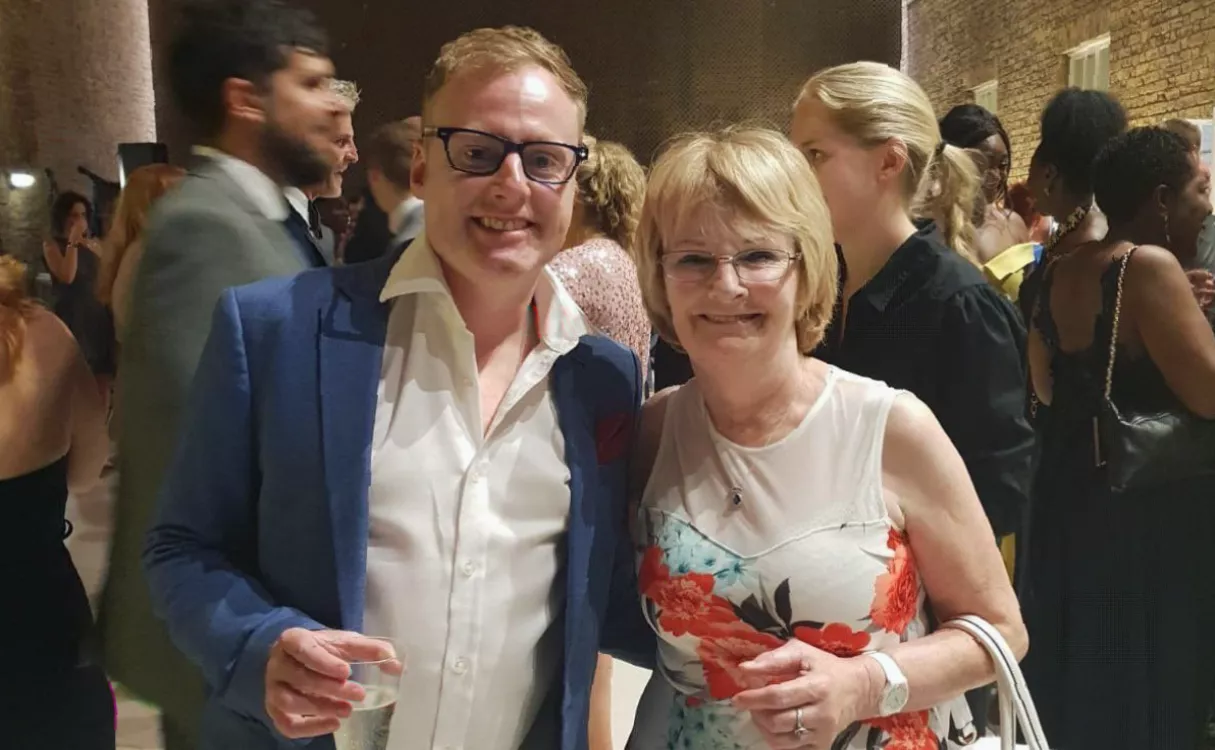
Critically, Maggie’s support did not end with his mother’s death. The centre offered him bereavement counselling, underscoring its commitment to supporting families, not just patients. The charity, which receives no government funding and relies entirely on donations, helped people claim nearly £38 million in benefits and grants in one recent year through its specialist advice services. For Phil, their sustained help was indispensable. “I don’t think I would have survived my grief without Maggie’s,” he says.
A Marathon Promise to Repay a Lifeline
Driven by gratitude, Phil vowed to run the London Marathon for Maggie’s. After years of unsuccessful applications, he received a last-minute call this year offering a place with just 11 weeks to train—and a commitment to raise £3,000. He accepted immediately, seeing it as a sign. His fundraising target is in line with many charity marathon places, where minimum sponsorships often range between £2,200 and £2,500.
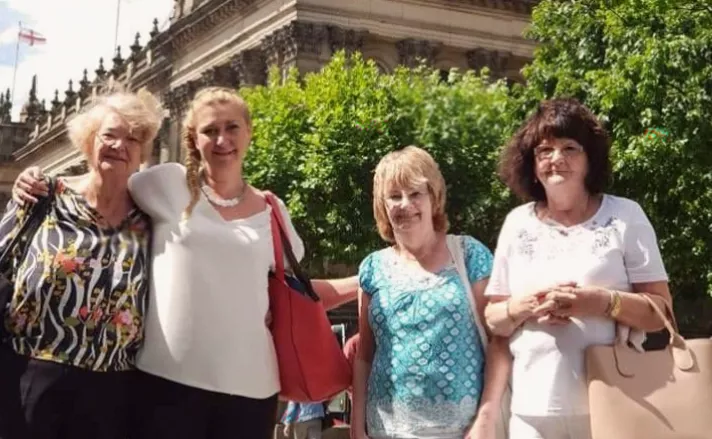
He has thrown himself into training, running three to four times a week, and fundraising through a sponsored sing-a-thon, a raffle, and by documenting his journey on social media. The physical challenge, he acknowledges, is nothing compared to what his mother faced. For Phil, every step is taken with a clear purpose: to ensure Maggie’s can continue to be the vital sanctuary for other families that it was for his.