

The nation must take urgent action to rebuild public confidence in vaccines and counter a rising tide of misinformation before the next pandemic strikes, the Covid-19 Inquiry has warned in a landmark report.
In its fourth report, published on Thursday, the inquiry chaired by Baroness Heather Hallett concluded that a fundamental lack of trust in government and health systems “underlaid susceptibility to false information” about Covid-19 jabs. This erosion of trust, the report argues, has consequences far beyond the pandemic, with the UK now battling falling uptake of routine childhood vaccinations.
An urgent need to rebuild confidence
The inquiry’s call for action comes against a backdrop of significant public health concern. The UK has officially lost its measles elimination status following multiple outbreaks, linked to the death of a child last January. Uptake of the MMR vaccine has fallen below the 95% safety threshold, a trend mirrored across all routine childhood jabs.
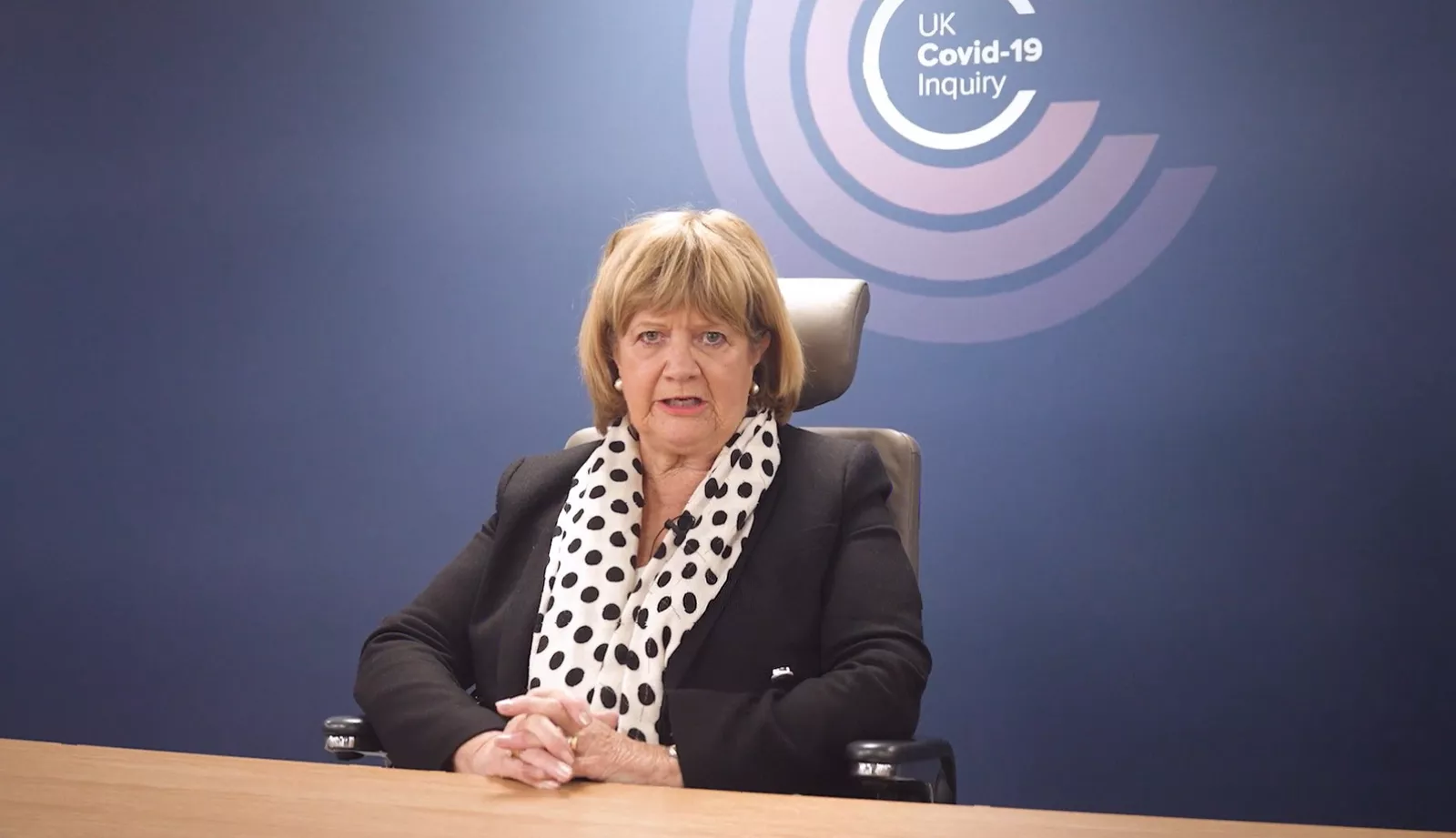
“Action is needed in all four nations to build trust within communities with lower vaccine uptake and to make vaccines more accessible to them, before the next pandemic hits,” Baroness Hallett said.
The inquiry found that vaccine hesitancy was not evenly spread, highlighting a major inequality in uptake among ethnic minority groups and those in more deprived populations—a pattern seen during the Covid rollout and now with the MMR. It noted that for some communities, broader experiences of racism and discrimination, and a perception that governments have not acted in their best interests, contributed to lower confidence.
Compounding this is a rampant misinformation landscape, often amplified online. The inquiry warned that falsehoods about vaccine safety, efficacy, and ingredients have become increasingly common, sometimes spread by high-profile figures. To counter this, it recommended strategies including social listening, direct engagement with communities, and the use of trusted local messengers.
‘Political’ decision on mandatory jabs
In a significant finding, the inquiry concluded that the government’s decision to enforce mandatory Covid-19 vaccination for care home staff in England was a “political” one that was “not led by clinical advice”.
The policy, which came into force in November 2021, was later scrapped in March 2022 amid concerns it would push staff out of an already stretched workforce. The inquiry found the policy did not receive widespread support from professionals and “is likely to have contributed to alienation and increased vaccine hesitancy in some groups”.
A related plan to extend the mandate to frontline NHS and wider social care staff was also abandoned before it began.
A success story shadowed by systemic issues
Despite these critical warnings, the inquiry was unequivocal in hailing the UK’s Covid-19 vaccine rollout as an “extraordinary feat” and a “great success”. It credited the nation’s world-leading biomedical science, talented researchers, and the government’s willingness to take financial risks.
Baroness Hallett stated that the fast development of the vaccine did not compromise rigorous UK safety standards, which included robust trials and regulatory approval. “On any objective analysis, the risks of the Covid-19 vaccines were carefully managed and were far outweighed by benefits,” she said, noting that an estimated 475,000 lives had been saved by the jabs in England and Scotland by March 2023.
However, the report identified a glaring failure in supporting the small number of people harmed by the vaccines. It found the existing Vaccine Damage Payment Scheme (VDPS) to be “not sufficiently supportive” and in need of “urgent reform”.
The scheme, which was extended to cover Covid-19 jabs in December 2020, has been criticised for slow processing times. As of January 2025, almost 8,000 applicants were awaiting a decision on their claim. The inquiry concluded that the maximum payout of £120,000, last set in 2007, is too low and should be increased in line with inflation to at least £200,000. It also recommended a review of the high disability threshold required to qualify.
“When governments ask people to be vaccinated in part to protect others, there must be appropriate financial support for those rare cases of people suffering side effects,” Baroness Hallett stated.
This concern over systemic readiness is echoed by frontline workers. A YouGov poll revealed that 69% of NHS staff believe the health service is poorly prepared for another pandemic, with none considering it “very well prepared”. Campaigners have similarly warned that the UK may be less equipped for a future pandemic than it was before Covid-19 struck.