

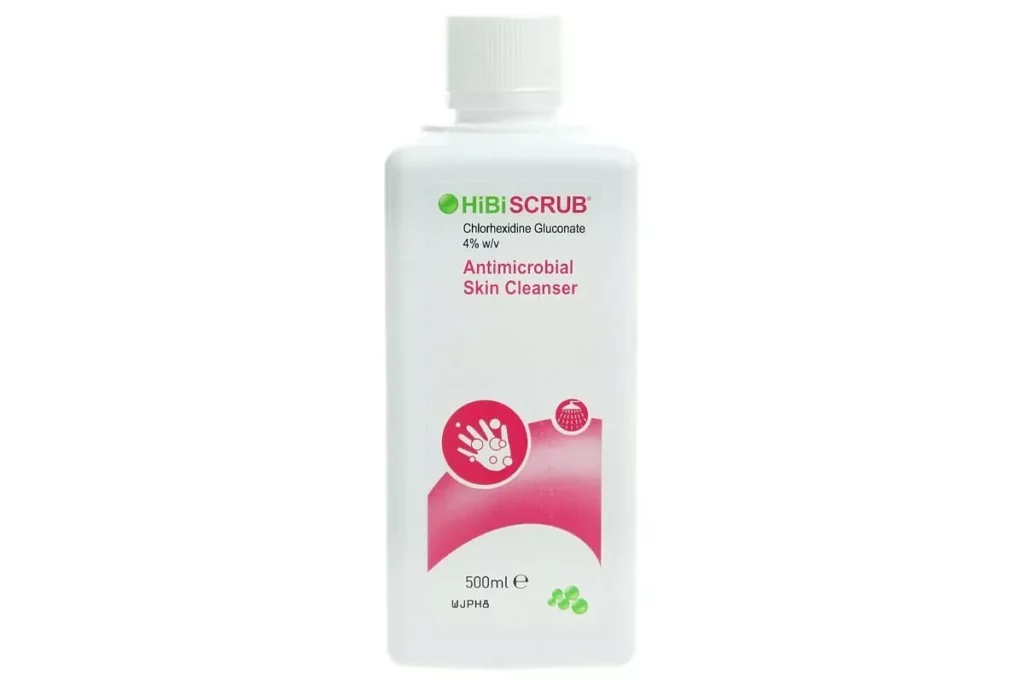
Around 50,000 units of a widely used antimicrobial wash have been urgently recalled from UK hospitals, pharmacies, and patients after contamination with a potentially dangerous bacterium was discovered during manufacturing checks.
The Medicines and Healthcare products Regulatory Agency issued the precautionary Class 2 recall for three batches of Hibiwash, manufactured by Mölnlycke Health Care. The action was triggered after routine weekly quality checks at the company’s production facility detected the presence of *Burkholderia cepacia*.
Shareen Doak, Deputy Director of Benefit-Risk Evaluation at the MHRA, advised the public: “If you have Hibiwash, check the packaging for batch numbers 5156042, 5156043 or 5156093 and stop using it. These batches could be contaminated with Burkholderia cepacia and should be taken to a pharmacy for safe disposal.” The regulator has confirmed that no adverse effects or infections have been reported linked to the affected products so far.
A persistent and drug-resistant contaminant
The bacterium at the centre of the recall, *Burkholderia cepacia* complex (Bcc), is a known and formidable foe in healthcare settings. Commonly found in soil and water, it is intrinsically resistant to many antibiotics, making infections notoriously difficult to treat. Furthermore, it can survive and multiply in water-based, non-sterile products like Hibiwash, often due to a natural resistance to the very preservatives and antimicrobial agents designed to keep such products safe.

Its ability to form resilient biofilms—protective shields of microorganisms—allows it to persist in water systems and resist eradication. This resilience makes Bcc a frequent cause of recalls for non-sterile pharmaceutical and personal care products. The public health consequences of past outbreaks have been severe; a 2016 outbreak linked to contaminated liquid docusate sodium resulted in 108 infections and 21 deaths, while a 2021 incident involving tainted ultrasound gel led to 119 infections and 14 deaths.
Why specific patient groups are at grave risk
While the MHRA states the bacterium poses minimal threat to the general population, it represents a serious danger to specific, vulnerable groups. The regulator has identified patients living with cystic fibrosis and those on waiting lists for lung transplantation as being particularly at risk.
For individuals with cystic fibrosis, infection with Bcc is especially feared. It can cause severe, chronic lung infections that lead to accelerated lung damage and a rapid decline in lung function. In some cases, it triggers “cepacia syndrome,” a rapidly progressive and often fatal pneumonic illness. The threat is so significant that infection with certain species within the complex, such as *B. cenocepacia*, has historically been an exclusion criterion for life-saving lung transplantation.
The risks extend to the transplant process itself. Patients who are immunocompromised, including those awaiting or who have recently undergone lung transplants, face heightened vulnerability. A recent study from early 2025 identified a healthcare-associated cluster of *Burkholderia sola* infections in two lung transplant recipients, one of whom died from septic shock. This underscores the ongoing peril these bacteria pose in clinical environments.

Due to these acute risks, health authorities are taking targeted action. Patients in these high-risk categories who received supplies of Hibiwash after 10 February 2026 will be contacted directly. Anyone in a vulnerable group who has not been contacted is advised to reach out to their care team for guidance.
The MHRA has instructed healthcare professionals and retailers to immediately cease distributing the affected batches—5156042, 5156043, and 5156093—and return them to suppliers. The manufacturer, Mölnlycke Health Care, which is cooperating with the investigation, has issued supplier letters asking customers to quarantine the batches. The company estimates its investigation into the contamination will conclude in approximately four weeks.
For patients requiring an antimicrobial wash, the MHRA confirmed that alternative chlorhexidine gluconate 4% products are unaffected by this recall and remain available. Hibiwash itself is a hospital-grade 4% chlorhexidine gluconate wash used for skin cleansing, marketed for its broad-spectrum antimicrobial action and lasting defence.