


Britain faces a severe red alert for pollen this week, with the Met Office’s highest severity warning set to impact millions of hay fever sufferers across the nation.
The national forecaster has declared that elevated tree pollen concentrations, which arrived on Monday, are forecast to persist until the weekend. This ‘red alert’ on the Met Office’s scale indicates that the vast majority of those with pollen allergies will experience symptoms.
Widespread Very High Pollen Forecast
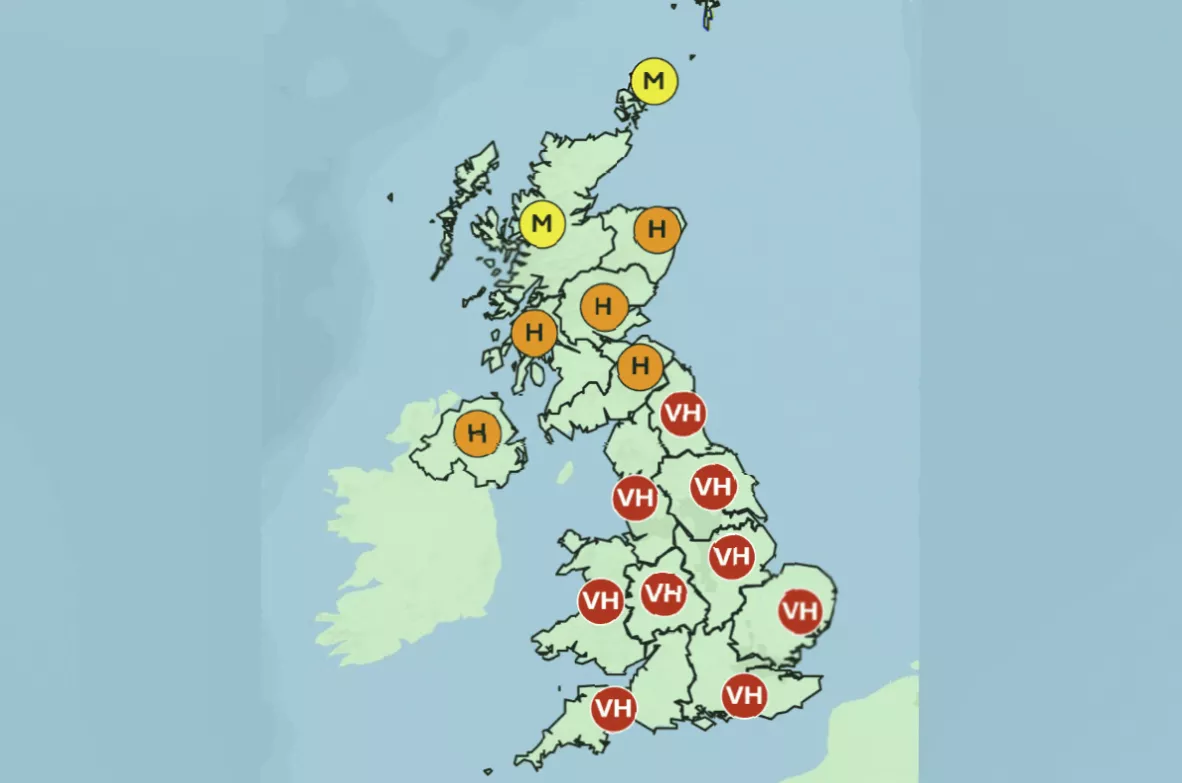
Southern England is the primary hotspot, with very high birch pollen concentrations expected across the region all week. The alert expanded on Monday to encompass the whole of southern England, including the South West, West Midlands, East Midlands, and eastern England, after London and the South East recorded the most severe levels on Easter Sunday.
By Tuesday, nearly every region of England and the whole of Wales are forecast to experience very high birch pollen levels alongside elevated ash pollen. The North East, much of Scotland, and Northern Ireland will see high counts, while only the far north of Scotland should experience more moderate levels. On Wednesday, the most intense conditions are predicted for seven English regions: London and the South East, the South West, both Midlands regions, eastern England, the North West, and Yorkshire and Humber.
A Dramatic Weather Shift Fuelling the Spike
The surge in pollen coincides with a dramatic shift from the turbulent conditions of Storm Dave, which battered parts of the country over the Easter weekend with 93mph gusts in Wales, to warmer air moving in from continental Europe.
Met Office meteorologist Greg Dewhurst said: “On Tuesday, warmer air moves in across England and Wales from the near continent through Tuesday and into Wednesday. We will see temperatures rising to the low 20s, with highs around 20C or 21C on Tuesday, and possibly 23C or 24C come Wednesday.” Should temperatures reach 23C in southern England, it would exceed the current warmest day of 2026 so far, recorded on March 18.
Warmer conditions create optimal circumstances for pollen to thrive. Experts note that hay fever cases have trebled in the last 20 years, a rise attributed to factors including climate change leading to longer pollen seasons. The current high birch pollen season is partly a result of favourable conditions last spring and summer when the pollen was forming on trees; 2025 saw the UK’s warmest meteorological spring and May on record.
The Scale of Suffering and How Hay Fever Strikes
Hay fever is a significant public health concern, affecting approximately 10 million people in England alone and around 20% of all UK residents—roughly 16 million people. It typically develops in childhood or adolescence but can begin at any age, with individuals aged 45-54 most likely to be affected.
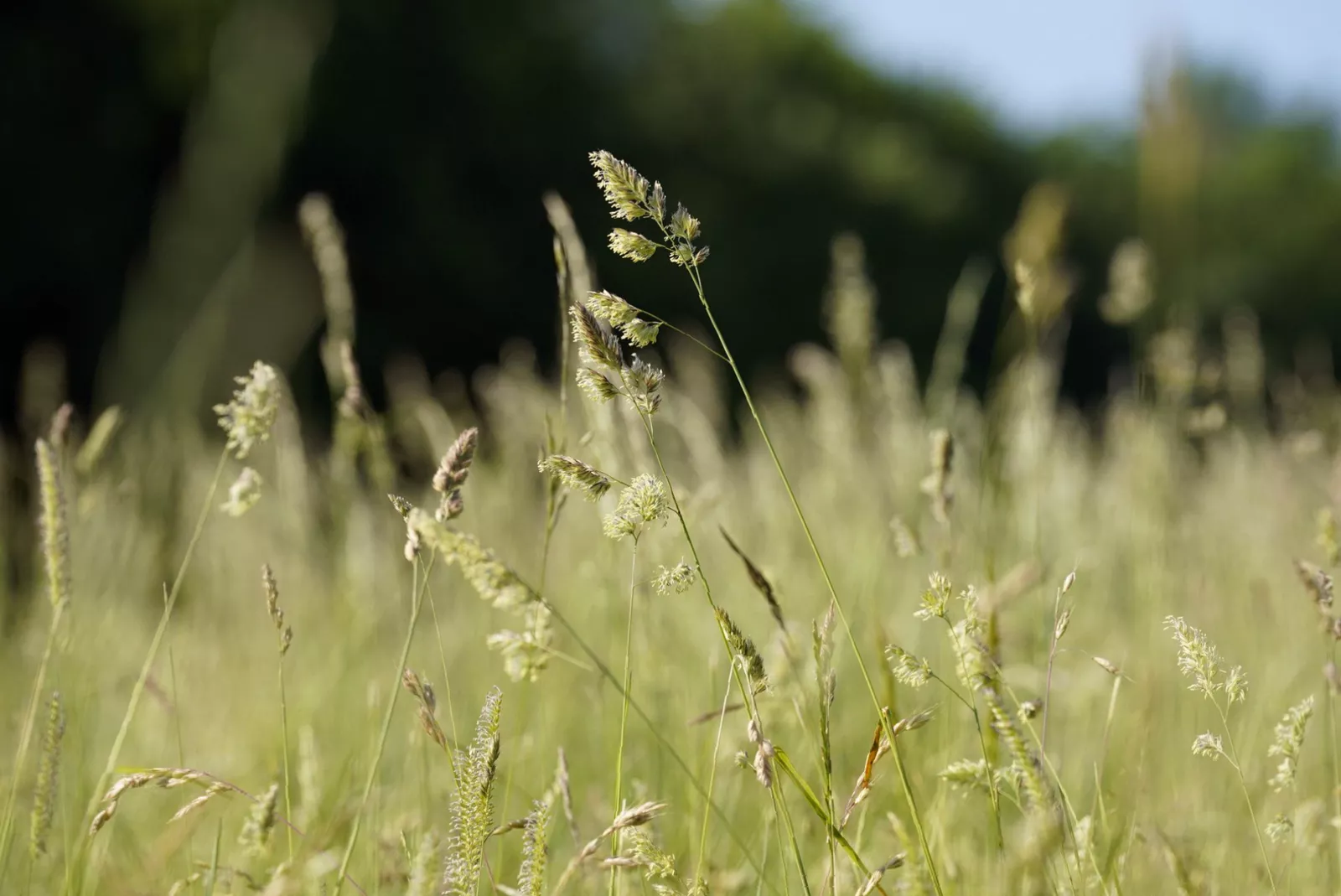
The condition is far from a minor inconvenience. It occurs when the immune system mistakenly identifies pollen particles as a threat, producing allergic antibodies that trigger the release of histamines. This causes the classic inflammatory symptoms: intense sneezing, a runny or blocked nose, and itchy, red, or watery eyes. Sufferers may also experience an itchy throat, mouth, or ears, coughing, headaches, and fatigue.
For the estimated 25% of the UK population allergic to birch pollen—the primary driver of this week’s alert—symptoms typically appear when the pollen count exceeds 50. A reading between 81 and 200 is considered high. The impact on daily life is substantial, disrupting sleep, impairing concentration, and leading to missed work or school. Alarmingly, 68% of UK hay fever sufferers report that their symptoms negatively impact their ability to drive safely.
The risks extend further, as individuals with hay fever are at increased risk of developing other allergic conditions like asthma and eczema; hay fever was a contributing factor in 15% of all asthma deaths with exacerbating features in 2014.
Managing Symptoms During the Alert
With the red alert in force, charities and health bodies have issued comprehensive guidance for sufferers. Allergy UK and the NHS recommend a multi-layered approach to management.
Monitoring and avoidance are key. People should stay indoors when pollen counts are high, keeping windows and doors closed at home, especially in early morning and evening. It is advised to avoid drying laundry outside, as clothing can collect pollen, and to shower and wash hair after coming indoors to remove particles. Wearing a face covering or a wide-brimmed hat and wraparound sunglasses can act as a barrier when outside.
Pharmacists can advise on treatments, including non-drowsy antihistamine tablets, nasal sprays, and steroid nasal sprays. Additional measures include applying an allergen barrier balm around the nostrils to trap pollen, using saline nasal rinses, and vacuuming regularly with a HEPA filter. For those with severe symptoms that do not improve with over-the-counter treatments, a GP may prescribe stronger steroid treatments or refer patients for immunotherapy.
Sufferers are also advised to avoid cutting grass or walking on it, to keep fresh flowers out of the home, and to avoid smoke, which can worsen symptoms. It is worth noting that pets can also be affected by high pollen, showing signs like excessive scratching, and that some people with birch pollen allergy may experience Oral Allergy Syndrome—a reaction to certain raw fruits, vegetables, and nuts.