


Nearly 6,000 men have now booked appointments to be tested as part of a major new prostate cancer initiative rolling out across Scotland, a figure described by organisers as “truly phenomenal”.
The Scottish Prostate Cancer Initiative, which launched publicly this week, aims to offer free Prostate-Specific Antigen (PSA) blood tests to 25,000 men aged between 40 and 80 at events running throughout 2026. A notable feature of the early response has been that a substantial number of the bookings have been made by women on behalf of men.
Launch events and a nationwide mission
The initiative formally got underway with a testing session in Linwood, Renfrewshire, where 600 men were screened. Further events are scheduled in Paisley, Glasgow, and other locations, with 1,300 men already booked for sessions in Glasgow next week alone. The programme follows a successful pilot in the West of Scotland in February and early March, where over 1,400 men were tested with the support of local employers.
The project is being delivered by the digital diagnostics company EDX Medical Group in conjunction with the Graham Fulford Charitable Trust (GFCT), a prostate health awareness charity. The GFCT has tested over 172,000 men since 2004, identifying more than 3,800 cancers. A wide range of Scottish businesses and organisations are backing the effort, including Sir Tom Hunter, the Arnold Clark Group, The Malcolm Group, the Scottish Police Federation, and several football clubs.

Andrew Malcolm, chief executive of The Malcolm Group, which hosted the Linwood launch at its heritage centre, said: “This is a great initiative we are delighted to support and the response from the public and our employees has been tremendous.”
The dual purpose: screening and shaping future diagnosis
At its core, the initiative provides a simple blood test to measure PSA levels, with results typically sent confidentially to the individual within 48 hours. However, its ambitions extend far beyond immediate screening.
The project is designed as a large-scale research study. Participants are asked to donate samples to help investigate how the clinical pathway for detecting and treating prostate cancer can be improved. According to the organisers, selected groups will also undergo more advanced diagnostic tests to explore the role of genetic risk and other biochemical markers. The ultimate findings will be made available to NHS Scotland.
This research angle is critical because the use of PSA testing alone is subject to significant medical debate. The UK National Screening Committee does not recommend routine PSA screening for men without symptoms, citing concerns about overdiagnosis and the test’s reliability. Research indicates that PSA testing can detect slow-growing cancers that may never cause harm, potentially leading to unnecessary treatments with serious side effects. Some studies also suggest it has a limited impact on reducing prostate cancer mortality.
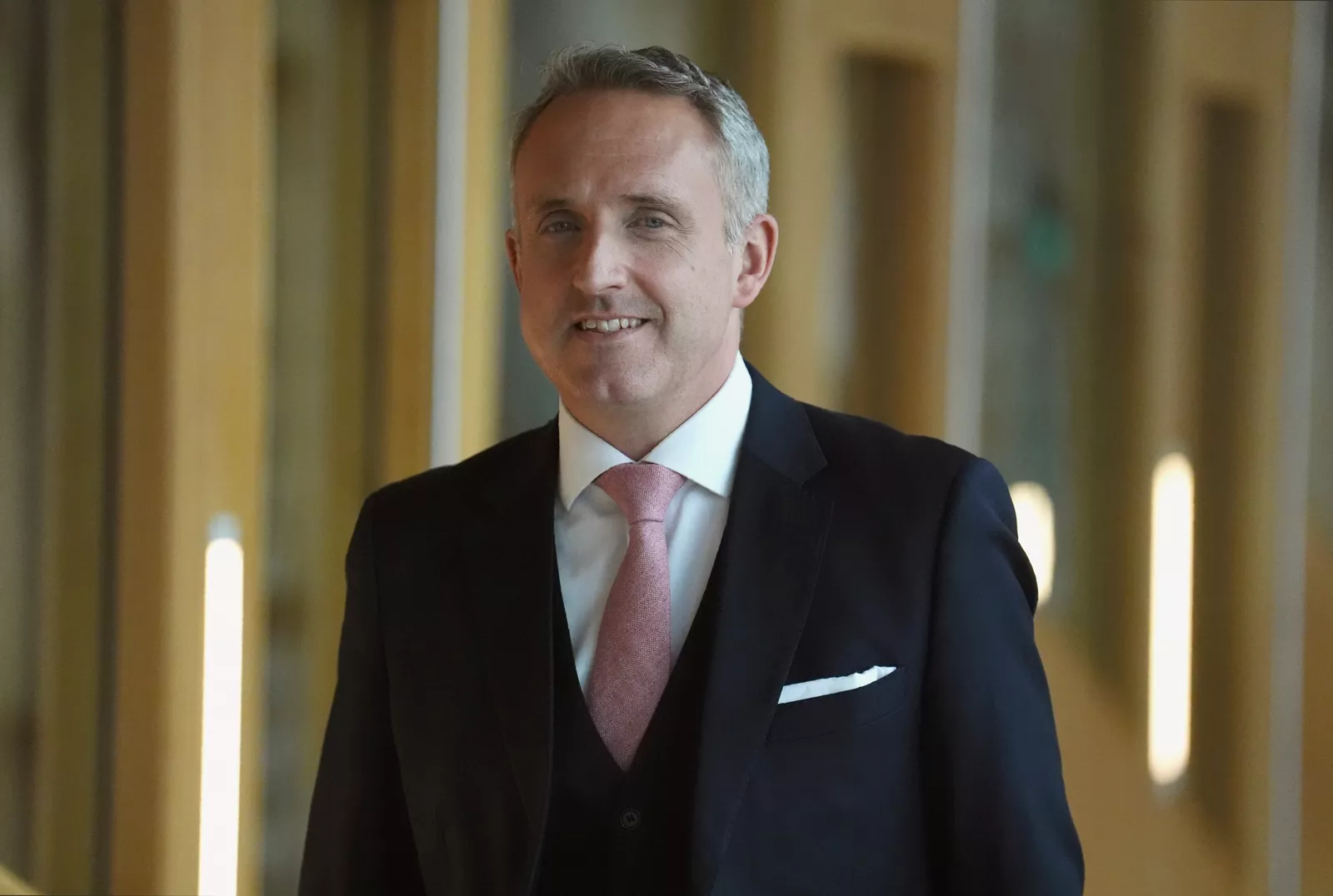
EDX Medical Group is contributing its own developing technology to this research field. The company has created a new AI-driven “super test” for prostate cancer that analyses over 100 biomarkers in blood and urine. The test, which is pending regulatory approval, aims to identify cancerous cells, determine the stage and aggressiveness of cancer, and assess genetic risks with high reported accuracy.
Professor Sir Chris Evans, founder of EDX Medical, said the public response demonstrated not only a demand from men to know their health status but “also a real desire to help shape the future of prostate cancer diagnosis.”
A personal cause driving public advocacy
The initiative was launched with the support of high-profile figures who have personal experience with the disease. Scotland rugby international Kenny Logan, who was himself diagnosed with prostate cancer, said men had a history of avoiding the issue but that getting tested was “lifesaving”.

Olympian Sir Chris Hoy, who revealed an incurable stage four prostate cancer diagnosis in October 2024, has become a powerful advocate for early detection. He has urged all men over 40 to get tested, stating plainly: “It could save your life.” Sir Chris has highlighted stark geographical disparities, noting that approximately 35% of men in Scotland are diagnosed at a stage too late to be cured, compared to 12.5% in London. He has said men born in Scotland are three times more likely to receive a stage four incurable diagnosis.
Prostate cancer is the most common cancer in UK men and the second biggest cause of cancer death for men nationally, responsible for around 12,000 deaths annually. Other charities, such as Prostate Cancer UK and Prostate Scotland, continue parallel work in research, awareness, and support services.
The Scottish initiative offers free PSA tests which can be booked via its website, with further dates and venues to be added over the coming year.