

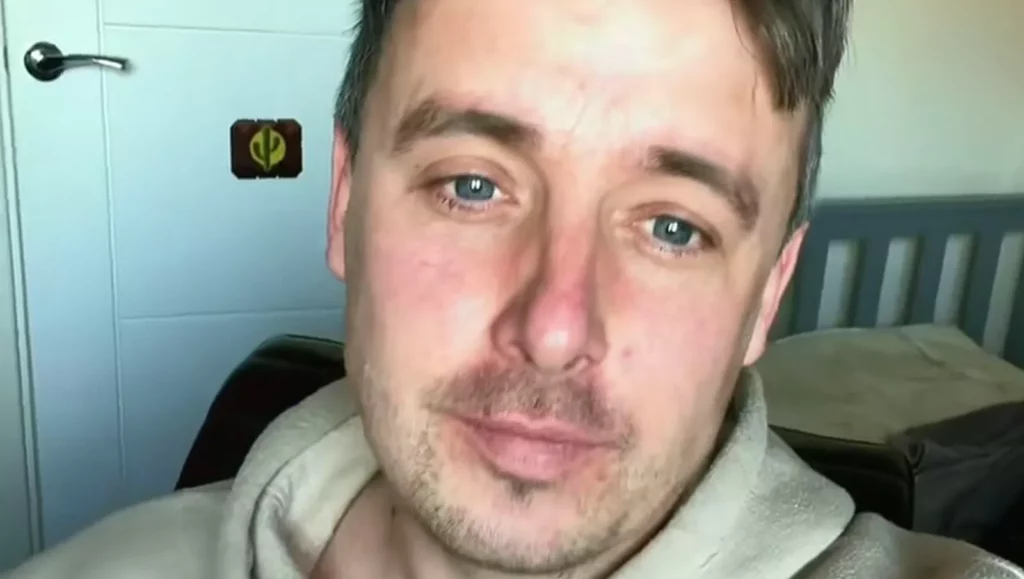
A young man who noticed alarming changes to his body was repeatedly told his age made cancer impossible, a dismissal that allowed a rare and aggressive disease to take hold. Steven Hamill was just 26 when he first sought help, only to be diagnosed with penile cancer a month later after his symptoms became impossible to ignore.
A Devastating Diagnosis After a ‘Death Smell’
In March 2019, Steven, from Cheshire, visited his GP after the head of his penis swelled to four times its normal size. He was diagnosed with balanitis, a common inflammation, and given steroid cream. When that failed and a foul odour he describes as a “death smell” began to follow him, he returned. Doctors again dismissed the possibility of cancer due to his youth.
The crisis point came in April when he passed out in his brother’s car and woke in a pool of blood. Rushed to A&E, he was transferred to the specialist penile cancer unit at The Christie NHS Foundation Trust in Manchester. There, he received the devastating news: he had penile cancer and would require immediate, life-altering surgery.
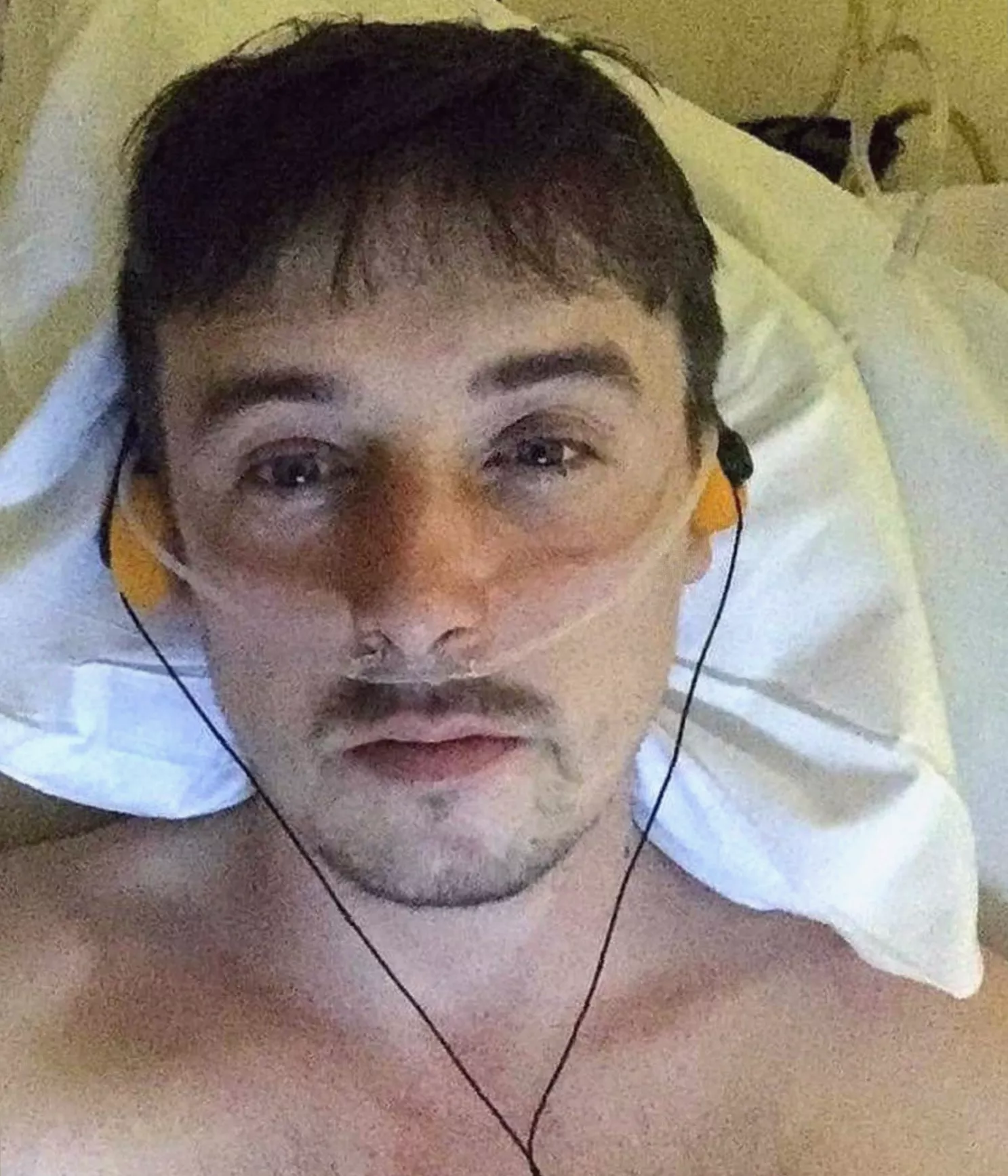
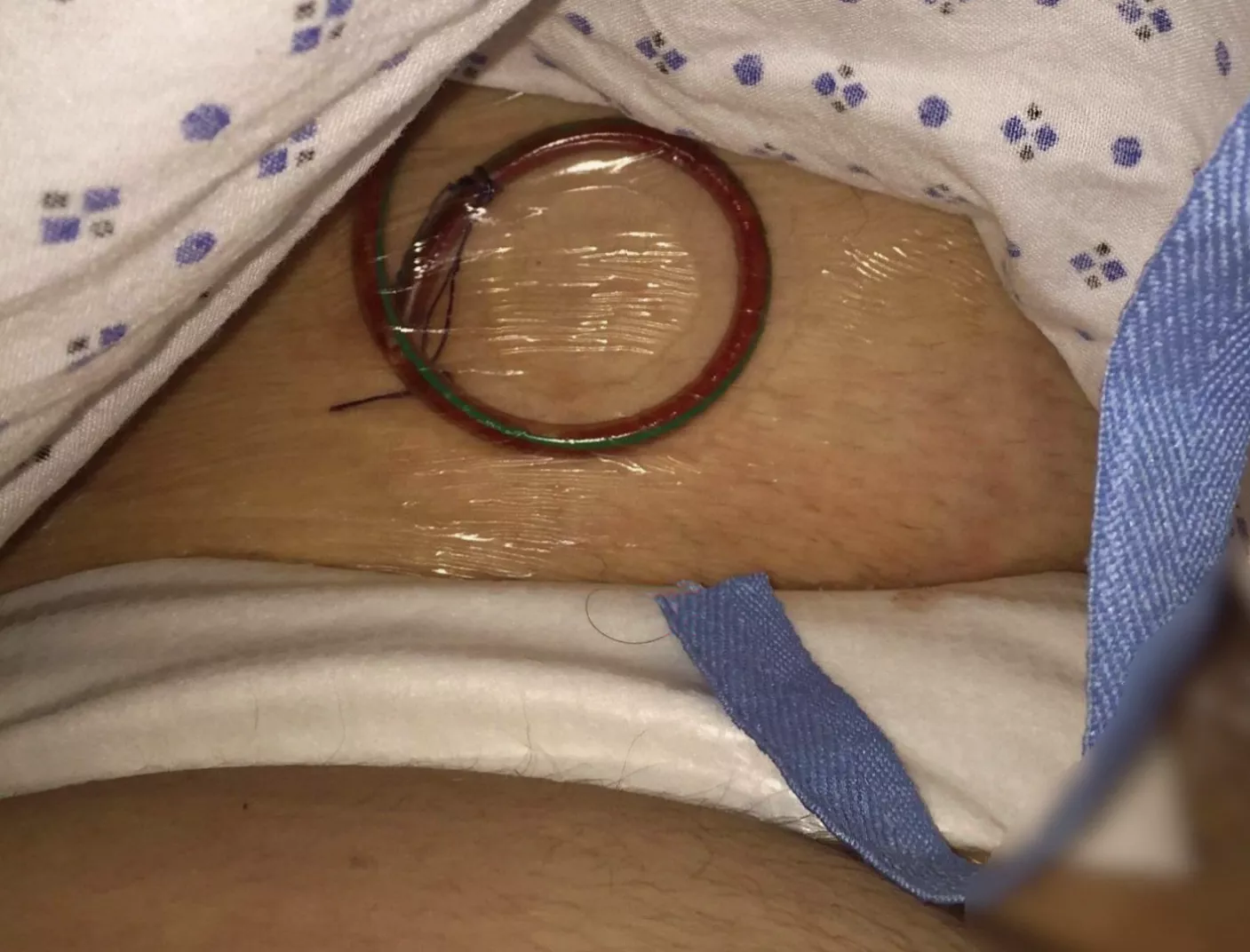
The operation, a partial penectomy performed by urological surgeons, aimed to remove all cancerous tissue. For Steven, this meant the amputation of four inches of his penis and the removal of his foreskin. He considers himself fortunate; prior to surgery he was “rather well endowed” at eight inches, leaving him with four inches post-operation. He has noted that had his penis been closer to the UK average erect size of approximately 5.2 inches, functionality could have been severely compromised.
The Invisible Scar: Psychological Aftermath
While the surgery was physically successful, placing him into remission, the psychological toll has been profound and enduring. Steven describes the period following his diagnosis as being put “in the darkest place ever,” consumed by fears he would not survive. “Every time I went to bed I would think, ‘is this the night I’m going to die? Will I see next week?'” he recalls.
His social world shifted instantly, with friends jokingly dubbing him “Stumpy” in a group chat—a nickname that stuck, highlighting the awkwardness and stigma surrounding his condition. In intimate situations, he battles intense self-consciousness. “Sometimes I get in my head and think ‘she’s going to think it looks really weird’,” he admits. This anxiety aligns with medical understanding that psychological adaptation to such surgery is challenging, with factors like remaining length and anxiety levels significantly impacting a patient’s quality of life.

Steven also experiences “phantom pain” and vivid, distressing dreams about his diagnosis and treatment. “I think it was so much to go through in five months and it was such a rollercoaster of emotions it felt like years,” he says. His experience underscores the critical need for psychosexual support, which specialists note is crucial for patients adapting to such transformative surgery.
Raising Awareness Against a Taboo
Steven’s case is statistically unusual but part of a concerning trend. Penile cancer is rare in the UK, with around 770 new cases annually, accounting for less than 1% of male cancers. It predominantly affects men over 50, but research indicates approximately 25% of cases now occur in men under 50. His story defies common assumptions and highlights a significant awareness gap; one study suggests only about 6% of UK adults can recognise the disease’s symptoms.
The key symptoms, as listed by the NHS, include a growth or sore that doesn’t heal within four weeks, bleeding, a smelly discharge, a change in skin colour, or difficulty retracting the foreskin. More than 60% of cases are linked to preventable risk factors, according to Cancer Research UK. When caught early, prognosis is good: over two-thirds of men diagnosed in England survive ten years or more, and for those with no spread to lymph nodes, five-year survival exceeds 90%.
Now 33, Steven is an advocate, urging men to seek help without embarrassment. “If anything doesn’t feel right, don’t be embarrassed and see if it goes away. Reach out,” he says. His message supports the goals of charities like Orchid and The Urology Foundation, who run campaigns to break taboos around penile health. Despite initial fears the surgery had damaged his urethra, Steven’s life post-operation includes a fulfilling dating life and fatherhood—he has a four-year-old son, proving that functionality and fertility can be preserved.