

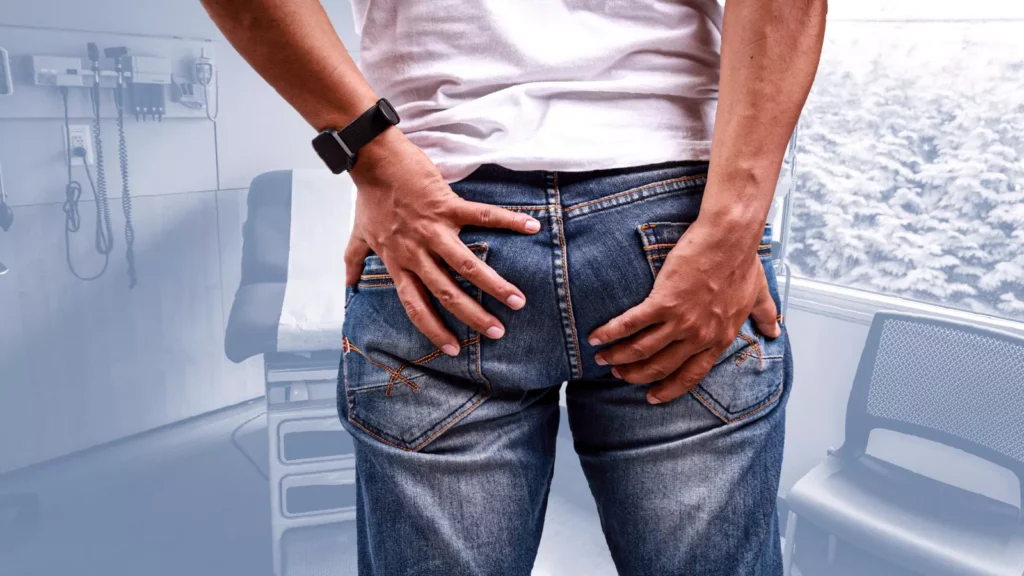
A sudden, sharp pain in the rear, intense enough to make you gasp, is medically termed ‘lightning bum’. It is an abrupt, electric shock-like sensation in and around the rectum that vanishes almost as quickly as it strikes, often leaving no trace beyond a lingering sense of alarm.
What is ‘lightning bum’?
Known clinically as proctalgia fugax, the phenomenon is described by Dr Hana Patel, a GP for Superdrug Online Doctor, as a sudden, sharp pain relating to spasms of the anal or pelvic floor muscles. The sensation typically lasts from a few seconds to minutes and can feel like a severe muscle cramp. It can also radiate into the lower pelvis, vagina, tailbone, legs, or lower abdomen, which is why a similar experience in pregnancy is often called ‘lightning crotch’.
Who is affected?
While it can affect anyone, the symptom is reported more frequently by women. Dr Patel attributes this to gynaecological conditions that cause referred rectal pain, hormonal fluctuations affecting pelvic nerve sensitivity, and pregnancy. Demographically, proctalgia fugax typically affects individuals aged 30 to 60, with some sources suggesting women around the age of 50 are affected approximately twice as often as men. Exact figures in the UK are unclear due to significant underreporting, but it is considered relatively common, with episodes occurring several times a year or month for those who experience it.
Underlying causes: six health issues indicated
While often benign and not itself life-threatening, lightning bum can signal underlying health conditions. Dr Hana Patel outlines six potential causes that warrant medical investigation.
The first is proctalgia fugax itself—a spasm of the anal sphincter muscle. Surprisingly common, it may affect up to 18% of people. Triggers can include stress, anxiety, constipation, trapped gas, or even cold exposure. It is also more common in people with conditions like irritable bowel syndrome (IBS), haemorrhoids, or anal fissures, which can sensitise local nerves.
Second is endometriosis, where tissue similar to the uterine lining grows outside the womb. When lesions affect structures behind the uterus, including the rectum, they can irritate pelvic nerves, triggering sharp pain, especially around menstruation. Research into this condition is advancing rapidly, with new diagnostic techniques and treatments, including regenerative medicine and novel pharmacological agents, being explored.
Third, pelvic floor spasms or dysfunction (PFD) involve involuntary contractions of the pelvic floor muscles. This dysfunction can lead to a range of symptoms from pelvic pain to incontinence. Advancements in treatment include specialised physiotherapy, biofeedback, and electrical stimulation.
Fourth, nerve compression syndrome, or entrapment, occurs when a nerve is squeezed, causing radiating pain. Diagnosis may involve nerve conduction studies, with treatment ranging from physical therapy to surgery.
Fifth, irritable bowel syndrome (IBS) can be indicated by this pain. Recent treatment advances include new medications targeting specific IBS subtypes, dietary approaches like the low-FODMAP diet, and gut-brain axis therapies such as cognitive behavioural therapy.
Finally, certain sexually transmitted infections (STIs) like gonorrhoea, chlamydia, and herpes can infect the rectum, causing inflammation, nerve irritation, and muscle spasm leading to sharp pain. This condition, known as proctitis, requires specific antibiotic or antiviral treatment.
Treatment and management
For persistent symptoms, consulting a GP is essential to identify any underlying cause. General management and at-home techniques include warm baths, heat packs, relaxation breathing, gentle stretching or yoga, and avoiding constipation through hydration and diet.
Medical treatments target specific diagnoses. For proctalgia fugax, these can include muscle relaxants, topical treatments like GTN ointment, or salbutamol inhalers. For endometriosis, options range from new hormonal therapies like GnRH antagonists to minimally invasive surgery. Pelvic floor dysfunction is primarily addressed with physiotherapy, while nerve compression may require anti-inflammatories, injections, or surgery. IBS management has been augmented by new prescription drugs, and STIs are treated with appropriate antimicrobials.
Ongoing research continues to refine these approaches, with a growing emphasis on personalised treatment strategies and destigmatising pelvic health issues. The key takeaway, according to medical professionals, is that while often fleeting and harmless, a recurring ‘lightning bum’ is a valid reason to seek a medical opinion to rule out or address any contributing conditions.