


High-dose influenza vaccinations have been linked to a dramatic 55% reduction in the risk of developing Alzheimer’s disease in adults aged 65 and over, according to a major new study. The research offers a potent new perspective on the broader benefits of vaccination as dementia cases are projected to soar in the UK.
The investigation, which analysed data from nearly 200,000 Americans, found the protective effect was particularly strong for women. This is especially significant as women are roughly twice as likely as men to develop the memory-robbing condition. Researchers noted that women demonstrated more sustained and reliable benefits from the stronger jab, though the precise cause of this gender disparity remains unknown and requires further study.
How a flu jab might protect the brain
The central hypothesis, which the study authors put forward, revolves around the suppression of harmful inflammation. Scientists believe that severe influenza infections trigger widespread inflammation throughout the body, which can then spill over to affect brain health. This process, known as neuroinflammation, is considered a key driver in the progression of Alzheimer’s disease, damaging neural tissue and accelerating cognitive decline.
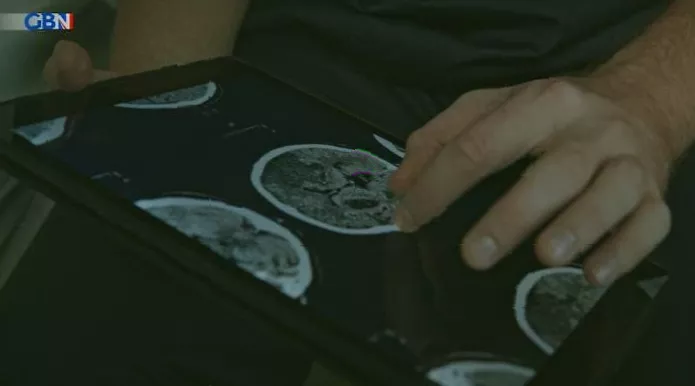
By preventing severe flu, the high-dose vaccine is thought to interrupt this inflammatory cascade. As the study authors wrote, enhanced flu vaccines “confer greater protection against influenza infection, thereby decreasing risk of severe illness and the associated systemic inflammation that can promote neuroinflammation and neurodegeneration.” The high-dose formulation, roughly four times more potent than standard jabs, is specifically designed to compensate for the natural weakening of immune defences that accompanies ageing, thereby strengthening the overall immune response.
This new finding builds on earlier work from UTHealth Houston, which established that older adults receiving standard flu jabs were 40% less likely to develop Alzheimer’s over four years compared to the unvaccinated. The high-dose variant appears to amplify these protective qualities considerably.
Caveats and the UK context
The researchers acknowledged important limitations to their work. A primary concern is “healthy-user bias,” meaning individuals who proactively seek enhanced vaccinations may generally lead healthier lifestyles that independently reduce dementia risk. The study also lacked complete data on mortality rates and socioeconomic circumstances.
Nevertheless, the findings add to a growing body of evidence suggesting various immunisations, including those for shingles, RSV, and Tdap, may help safeguard cognitive function.
For the UK, where dementia cases are projected to exceed 1.6 million by 2050, the implications are substantial. The NHS already offers an annual free flu vaccine to people aged 65 and over. For this age group, the health service often recommends an “adjuvanted” or “enhanced” flu vaccine, such as Fluad®, which is specifically designed to provoke a stronger immune response in older people. While the precise formulation may differ from the “high-dose” vaccine used in the US study, the principle of using a strengthened vaccine for older adults is already embedded in UK health policy.