

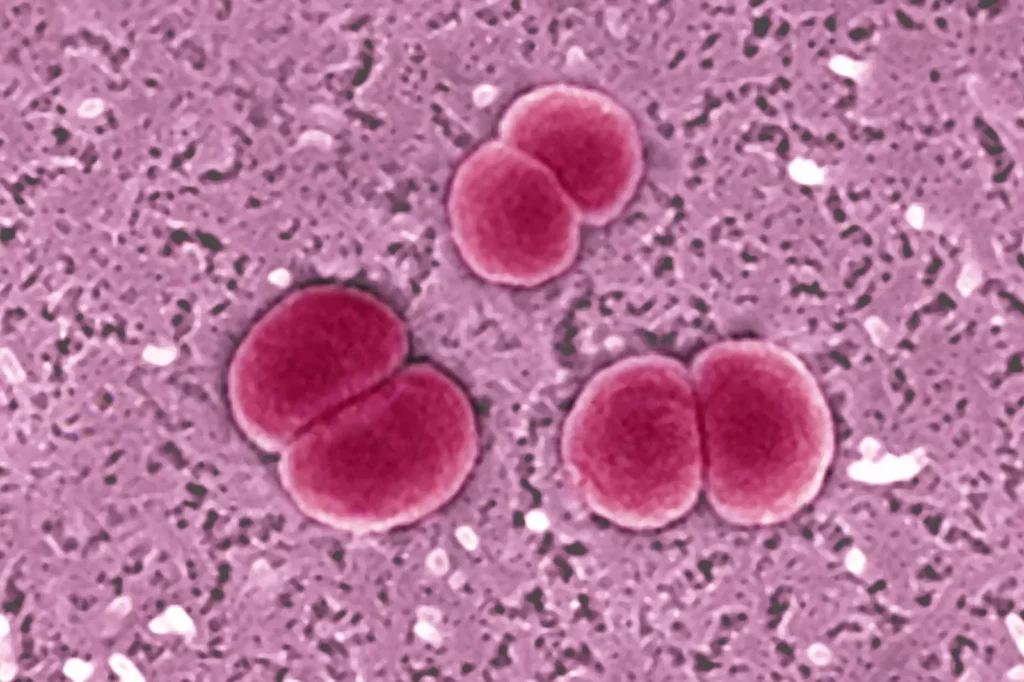
Three young people in Weymouth, Dorset, have contracted meningitis B in recent weeks, prompting a significant public health intervention across the town’s secondary schools. The UK Health Security Agency confirmed the cases, identified between 20 March and 15 April, with all three individuals receiving medical care and making good recoveries.
Two of the affected young people attend Budmouth Academy, while the third is a pupil at Wey Valley Academy. Investigators have determined that the two Budmouth Academy pupils had contact with one another prior to falling ill. However, the UKHSA stated that no epidemiological connection has been established between these cases and the Wey Valley student, a fact which has heightened concerns that the bacterium may be circulating more extensively among Weymouth’s young population.
Precautionary programme launched for secondary school pupils
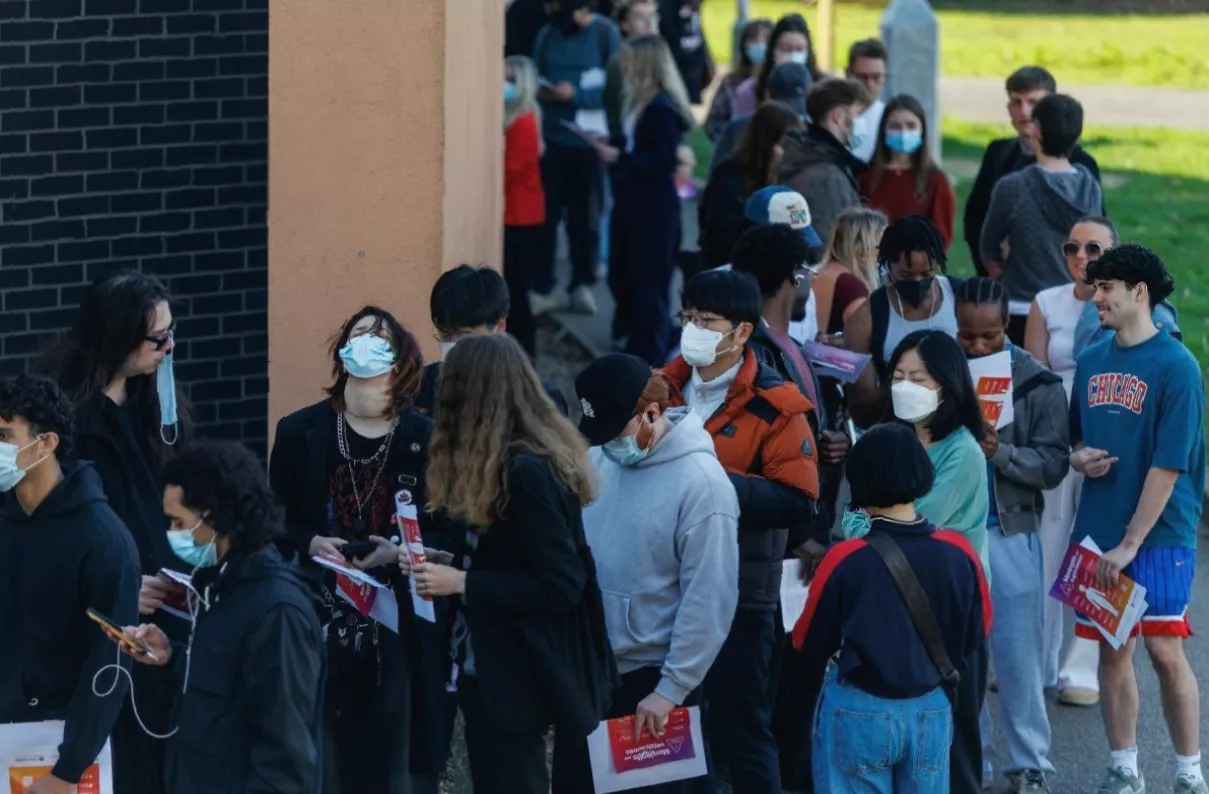
In response, the UKHSA has launched a major preventative programme. Secondary school students in years 7 through 13 attending schools in Weymouth, Portland, and Chickerell are being offered both a short course of precautionary antibiotics and the MenB vaccine. Close contacts of the confirmed cases have already been provided with antibiotics, and information on the signs and symptoms of meningitis has been shared with parents and students at both affected schools.
This two-pronged approach is a standard public health measure for such outbreaks. Meningitis B is a medical emergency requiring immediate hospital treatment with broad-spectrum antibiotics; offering antibiotics to close contacts and the wider at-risk group aims to eliminate the bacteria in those who may be carrying it harmlessly. The MenB vaccine, meanwhile, provides longer-term immunological protection against the specific strain.

The decision to extend the offer across a wide geographical area reflects the seriousness with which officials are treating the potential for community transmission. Meningococcal bacteria are spread through close and prolonged contact, such as living in the same household or intimate contact like kissing. Carriage of the bacteria is more common among teenagers and young adults due to increased social contact. The UKHSA advises that school pupils and staff should attend as normal if they remain well.
Strain identified as distinct from Kent outbreak
Laboratory analysis has confirmed that all three Weymouth infections stem from the same sub-strain of meningitis B. Crucially, the UKHSA states this variant differs from the strain recently identified in Kent and bears no connection to that separate outbreak.
Dr Beth Smout, UKHSA Deputy Director, emphasised that the Weymouth cases are not linked to the Kent outbreak and are not on the same scale in terms of speed of transmission or severity. The Kent outbreak, which was linked to an event in Canterbury, involved a genetically distinct strain identified as group B meningococci, sequence type 485.
In England, between 300 and 400 diagnoses of meningococcal disease are typically made annually. Meningitis B inflames the membranes around the brain and spinal cord and can become life-threatening within 24 hours. Early symptoms often resemble flu and can include sudden high fever, severe headache, stiff neck, nausea, vomiting, and drowsiness. A key sign is a rash that does not fade under pressure.
Vaccination is the most effective protection. The MenB vaccine (Bexsero) is part of the routine NHS childhood schedule for babies born on or after 1 May 2015. It is also offered free on the NHS to individuals with certain high-risk medical conditions and, as in this instance, to close contacts of cases during outbreak responses. For those not eligible on the NHS, it is available privately. A separate vaccine, MenACWY, which protects against other meningococcal strains, is offered to teenagers in school Year 9 and to university entrants up to age 25.
With prompt treatment, most people recover, but about one in five survivors of bacterial meningitis experience lasting complications, which can include hearing loss, brain damage, limb amputation, or permanent scarring. Approximately one in ten cases are fatal.