

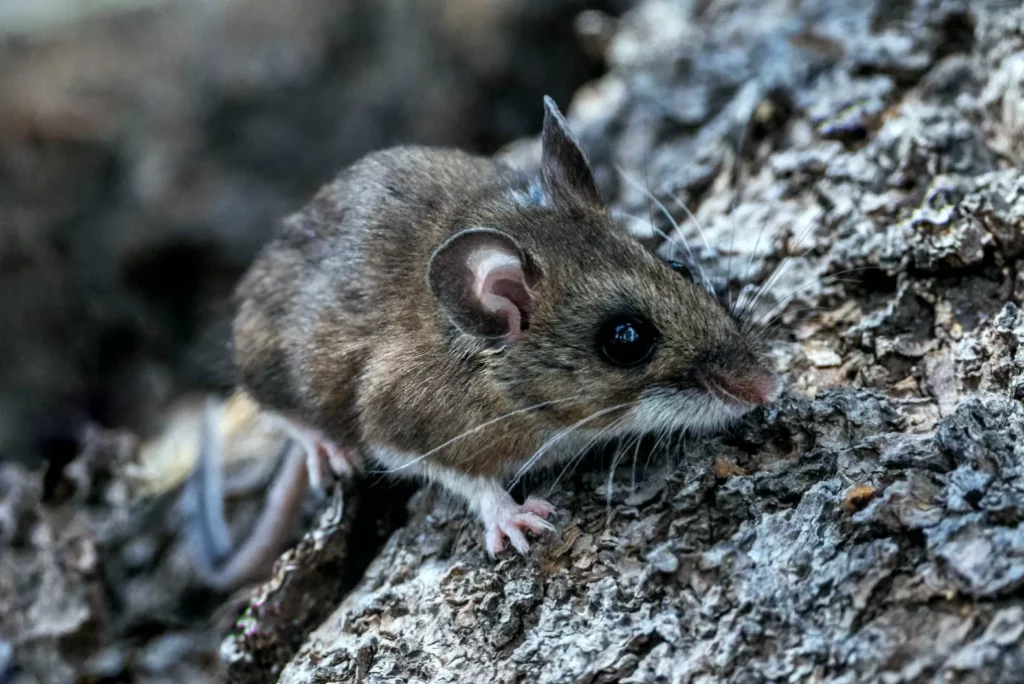
Three people have died and several others have fallen ill in a suspected hantavirus outbreak aboard a cruise ship, the World Health Organization (WHO) has confirmed. The WHO said at least one infection has been laboratory-confirmed amid an ongoing investigation into the incident on the MV Hondius, a Dutch-flagged passenger vessel.
Among the deceased are an elderly Dutch couple, aged 70 and 69. The man died on the island of Saint Helena, while his wife died in a hospital in Kempton Park, South Africa. A 69-year-old British national, who fell ill near Ascension Island, is in intensive care in a Johannesburg hospital and has tested positive for hantavirus. At least three other individuals are sick, and the WHO said it is facilitating the medical evacuation of two symptomatic passengers from the ship.
MV Hondius: the outbreak at sea
The ship, carrying approximately 150 tourists and 70 crew members, had departed from Argentina roughly three weeks earlier. Its itinerary included visits to Antarctica and the Falkland Islands before it headed for Spain’s Canary Islands. On Sunday night the MV Hondius was located off the coast of Praia, the capital of Cape Verde. The WHO said detailed investigations, including extensive laboratory testing and epidemiological studies, are underway to understand how the virus spread. Sequencing of the virus from the outbreak is also ongoing. The organisation advised against panic or travel restrictions, stating that the risk to the wider public remains low.
How hantavirus spreads from rodents to humans
Hantaviruses are a family of zoonotic viruses primarily carried by rodents, and they have been present for centuries. In the Eastern Hemisphere they have long been associated with severe conditions such as haemorrhagic fever and kidney failure. A distinct group emerged in the early 1990s in the southwestern United States, leading to the acute respiratory disease now known as hantavirus pulmonary syndrome (HPS). The US Centers for Disease Control and Prevention (CDC) began tracking the virus after a 1993 outbreak in the Four Corners region – where Arizona, Colorado, New Mexico and Utah meet. A doctor with the Indian Health Service first noticed a pattern of deaths among young patients, said Dr Michelle Harkins, a pulmonologist at the University of New Mexico Health Sciences Center who has studied the disease for years.
Infection occurs mainly through contact with rodents or their urine, saliva or droppings, particularly when contaminated material is disturbed and becomes airborne, posing a risk of inhalation. People are typically exposed around homes, cabins or sheds, especially when cleaning enclosed spaces with little ventilation or entering areas with mouse droppings. Most US cases are in Western states, with New Mexico and Arizona hotspots, Dr Harkins said, likely because the odds of mouse-human encounters are greater in rural areas. While rare, the WHO states that hantaviruses may spread between people.
The viruses cause two main syndromes. Hantavirus pulmonary syndrome, caused by New World hantaviruses such as the Sin Nombre virus (carried by the western deer mouse) and the Andes virus in South America, affects the lungs. Hemorrhagic fever with renal syndrome (HFRS) is caused by Old World hantaviruses – including Hantaan, Seoul, Puumala and Dobrava-Belgrade viruses – found mostly in Europe and Asia, though Seoul virus is present worldwide, including in the United States.
Symptoms: from flu-like signs to life-threatening progression
An infection can progress rapidly and become life-threatening. Early symptoms are non-specific and resemble influenza: fever, chills, muscle aches (particularly in large muscle groups), headaches, and fatigue. Nausea, vomiting, diarrhoea and abdominal pain can also occur. “Early in the illness, you really may not be able to tell the difference between hantavirus and having the flu,” said Dr Sonja Bartolome of UT Southwestern Medical Center in Dallas.
Symptoms of hantavirus pulmonary syndrome usually appear between one and eight weeks after contact with an infected rodent. As the illness progresses, patients may experience coughing and shortness of breath, and the lungs can fill with fluid, causing tightness in the chest. Hemorrhagic fever with renal syndrome typically develops within one to two weeks after exposure and can move through five clinical stages – febrile, hypotensive, oliguric (low urine production), diuretic (high urine production), and recovery – with symptoms including headache, back pain, nausea, vomiting, diarrhoea and renal symptoms.
Death rates vary by the specific hantavirus. Hantavirus pulmonary syndrome is fatal in nearly 40 per cent of people infected, according to the CDC, with some estimates ranging from 30 to 60 per cent. For hemorrhagic fever with renal syndrome, the fatality rate ranges from less than 1 per cent to 15 per cent, depending on the virus: severe forms caused by Hantaan or Dobrava viruses can kill 5–15 per cent of patients, while milder forms from Seoul or Puumala viruses have a rate below 1 per cent.
The disease gained wider notice in 2025 following the death of Betsy Arakawa, wife of actor Gene Hackman, from a hantavirus infection in New Mexico. In the UK, hantaviruses have been found in both pet and wild rodents, but confirmed human infections remain uncommon. Germany saw significant increases in cases in 2018 and 2019 linked to Puumala virus and bank vole populations. In 2023, 28 EU/EEA countries reported 1,885 cases of hantavirus infection; in 2021 the figure was 4,860 cases.
Prevention and treatment: no cure, but caution can save lives
There is no specific treatment or cure for hantavirus infections. Management is supportive, often requiring intensive care, and early medical attention can increase the chance of survival. Despite years of research, Dr Harkins said many questions remain unanswered, including why the illness can be mild for some people and very severe for others, and how antibodies develop. She and other researchers have been following patients over long periods in hopes of finding a treatment. “A lot of mysteries,” she said, noting that what is known is that rodent exposure is key. Research into potential therapies continues, including monoclonal antibodies that have shown promise in animal models and candidate antiviral drugs such as ribavirin, but no FDA-approved antiviral is currently available.
The best way to avoid the germ is to minimise contact with rodents and their droppings. Public health experts recommend sealing entry points to homes and buildings, eliminating food sources, and reducing clutter where rodents can nest. When cleaning areas with potential contamination, use protective gloves and a bleach solution, ventilate the space, and use damp cleaning methods with disinfectant. They caution against sweeping or vacuuming, which can cause the virus to become airborne.