

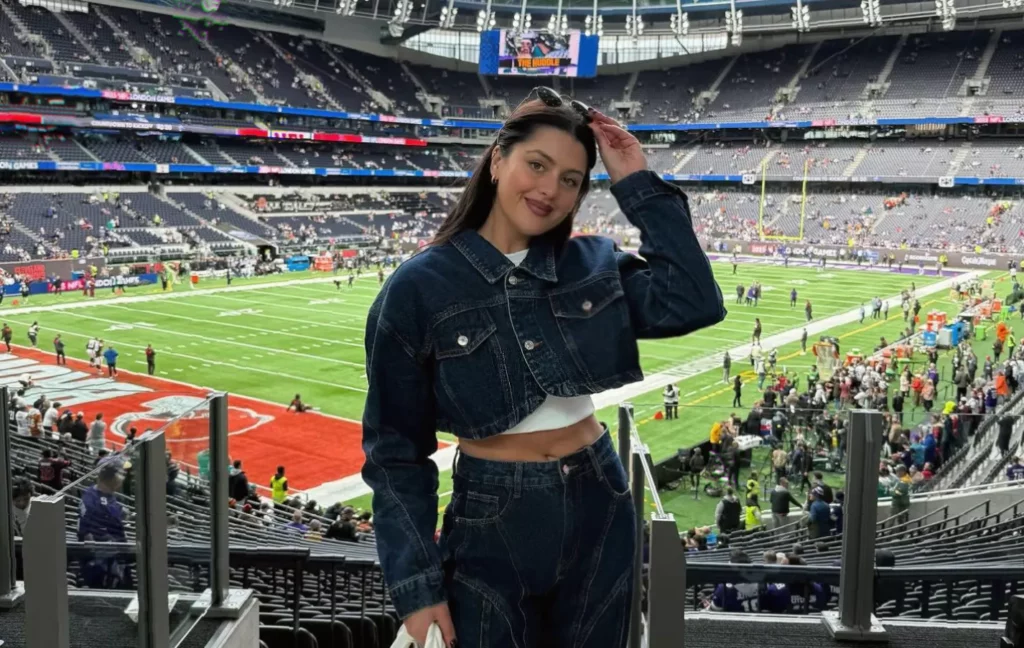
For Lauren Firenze, a simple social drink became a source of excruciating pain. At 24, sipping a gin and tonic in a bar garden triggered a sudden, severe pain in her neck and shoulders, accompanied by intense pins and needles. The pattern repeated itself each time she consumed alcohol, a mysterious and frightening reaction that led her to cut it out entirely.
This specific symptom—pain in the lymph nodes after drinking—is a recognised, though not universal, sign of Hodgkin lymphoma. Medical researchers theorise that alcohol may cause blood vessels within the lymph node capsule to dilate, irritating malignant cells and causing a release of inflammatory chemicals. According to one historical review from 1966, Hodgkin lymphoma was found to account for 40% of cases where alcohol-induced pain was linked to cancer.
From mystery pain to a stage four diagnosis
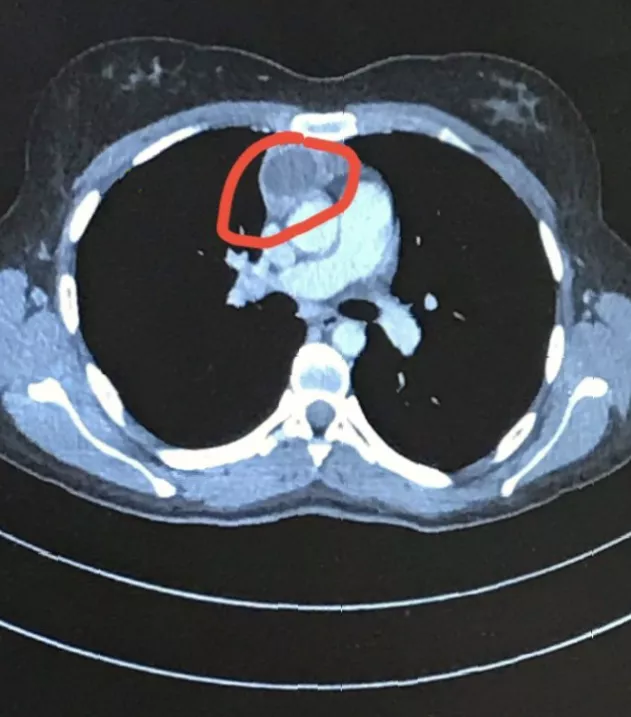
After a mere sip of Baileys several months later left her arm numb, Lauren consulted her GP in early 2019. Blood tests and scans revealed the shocking cause: two masses, one in her chest and another in her right lung. She was formally diagnosed with stage four Hodgkin lymphoma at the age of 25.

Hodgkin lymphoma is a cancer of the lymphatic system, affecting infection-fighting white blood cells called lymphocytes. Cancer Research UK states it is most commonly diagnosed in the UK between the ages of 20-24 and 75-79, and is slightly more prevalent in men. Approximately 2,100 people are diagnosed with it each year. Beyond alcohol-related pain, common symptoms include painless swellings in the neck, armpit or groin, persistent coughs, heavy night sweats, high temperatures, itching, and rapid weight loss.
Lauren’s diagnosis was delivered in an unexpected and distressing manner. A fertility clinic contacted her to arrange egg freezing—a routine step before chemotherapy, which can impact fertility—unaware she had not yet officially received her results from the hospital, highlighting a potential communication breakdown.
Treatment, support, and a wedding in a hospital chapel
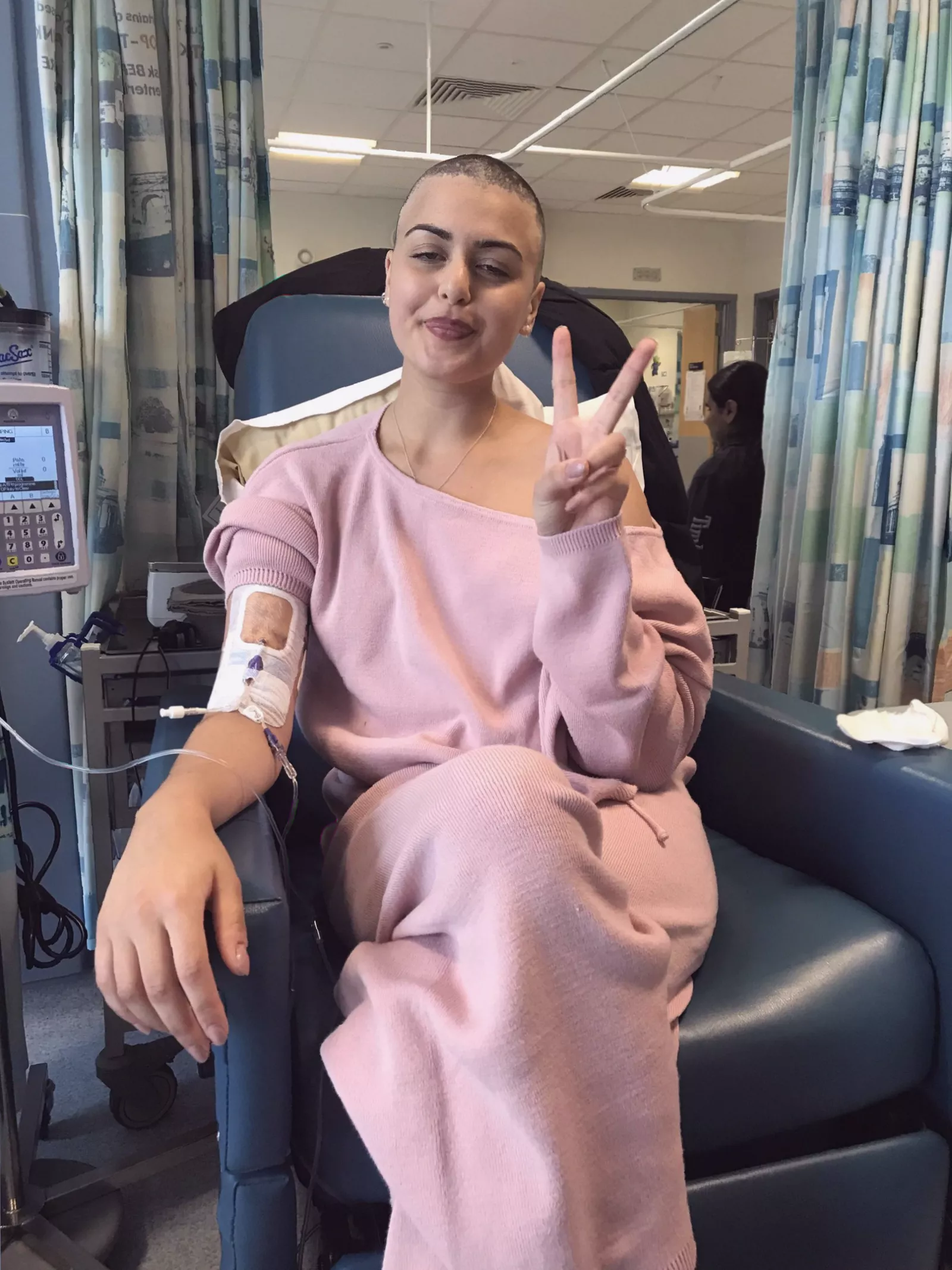
Following the diagnosis, Lauren immediately began fertility preservation, a critical step for many young cancer patients. In the UK, options like egg freezing are offered before treatment begins, with frozen eggs permitted to be stored for up to 55 years. She then embarked on three months of chemotherapy.
Throughout her treatment, she was supported by Danny, a man she had just begun dating. He remained a constant presence, even playing guitar to her over the phone during difficult hospital stays. Lauren entered remission in 2021. In January 2025, the couple got engaged and, later that same year, made the decision to accelerate their wedding plans after Danny’s father was diagnosed with terminal bowel cancer. Wanting him to be present, they organised a ceremony in just three days, marrying in November 2025 in the chapel room of his father’s hospital.
Building a community from experience
Since her recovery, Lauren has dedicated herself to advocacy. She launched the “F THE NOISE” podcast in 2023, interviewing others affected by cancer to share experiences and practical advice. Furthermore, she has worked directly with the Department of Health and Social Care to help shape how cancer is represented in the media, advocating for the inclusion of patient voices in such discussions.
She emphasises the importance of patients with lived experience being in the room where decisions are made, ensuring media portrayals truly relate to those affected. Her journey from unexplained alcohol-induced pain to survivor and campaigner underscores a critical, if lesser-known, symptom and the profound personal stories behind cancer statistics.