

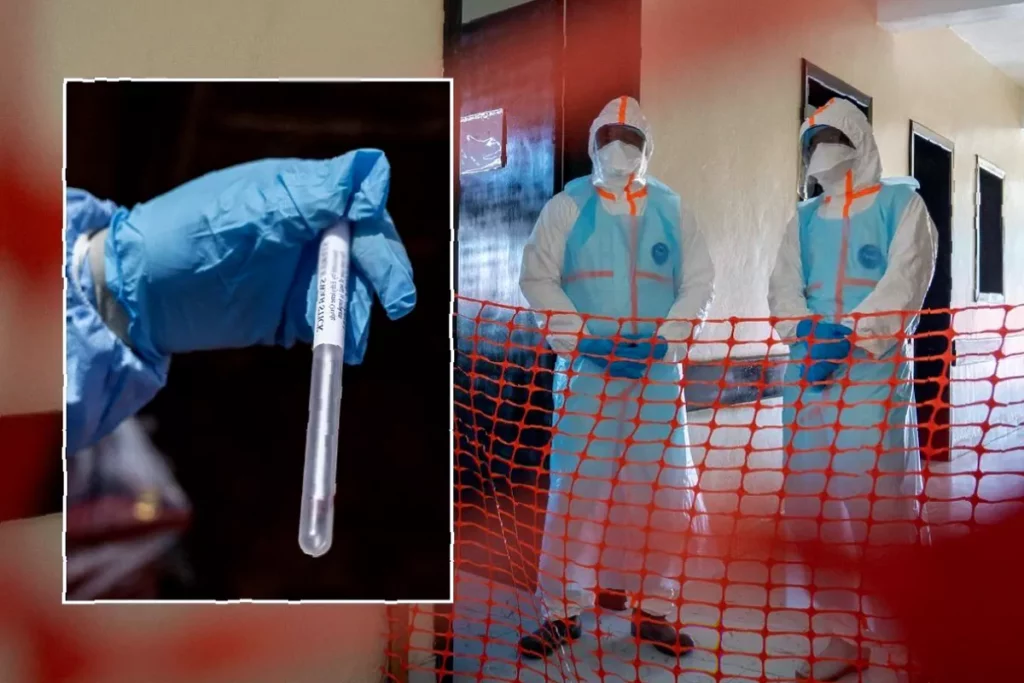
Five people have recovered from the rare Bundibugyo strain of Ebola in the Democratic Republic of Congo, the World Health Organization has confirmed, in what officials described as the first documented recoveries of confirmed patients during the current outbreak.
First recoveries in the current outbreak
Four nurses and a laboratory worker were discharged from a hospital in Bunia, a city in eastern DRC that sits at the epicentre of the outbreak. WHO director-general Tedros Adhanom Ghebreyesus, who visited Bunia on 30 May, said: “Four people will be discharged today, and there was one who was discharged the day before yesterday.” He stressed that recovery is possible with timely medical care, adding: “Of course, we’re still working on vaccines and treatments but that doesn’t mean that people cannot recover from Ebola.”
International emergency declared
The WHO designated the outbreak – which now stretches across both the DRC and Uganda – a public health emergency of international concern on 17 May. The declaration, the highest alert level the organisation can issue, triggers a coordinated international response. As of 31 May, the Africa Centres for Disease Control and Prevention reported 263 confirmed Ebola cases and 43 confirmed deaths across the two nations. More than 1,100 suspected cases remain under investigation. The virus has spread across multiple provinces in the DRC – Ituri, North Kivu and South Kivu – and has been detected in Uganda, including its capital, Kampala. “We must move at the speed of the epidemic,” Jean Kaseya, director-general of the Africa CDC, wrote in the Financial Times, underscoring the urgency of the response.
The challenge of the Bundibugyo strain
The Bundibugyo virus, first identified in 2007, is a distinct and less common strain of Ebola. This outbreak is only the third time it has caused a significant epidemic, following previous outbreaks in Uganda in 2007–2008 and the DRC in 2012. Its estimated fatality rate in those earlier outbreaks ranged from 25% to 50%. Symptoms are similar to other Ebola strains – fever, fatigue, muscle pain, headache, vomiting, diarrhoea and, in severe cases, bleeding – but the virus presents a unique challenge because there are no licensed vaccines or specific treatments approved for it. Existing Ebola vaccines and therapies are designed for the more common Zaire strain and do not offer cross-protection against Bundibugyo.
Transmission occurs through direct contact with the blood or bodily fluids of an infected person or a deceased individual, or with contaminated surfaces. The virus is not airborne. The incubation period ranges from two to 21 days, and people are typically not infectious until symptoms appear. Investigators are examining more than 1,100 suspected cases across both countries, though experts believe the true number of infections is likely higher owing to limited testing capacity and difficult access to affected areas.
Research into potential countermeasures is ongoing. WHO advisory groups have prioritised three experimental treatments for clinical trials: the monoclonal antibodies MBP134 and Maftivimab, and the antiviral remdesivir. A combination therapy of a monoclonal antibody and remdesivir has also been recommended. Regeneron has donated Inmazeb – a combination of maftivimab, atoltivimab and odesivimab – to the WHO for possible use. On the vaccine front, the most promising candidate is a single-dose rVSV Bundibugyo vaccine being developed by the International AIDS Vaccine Initiative, with another candidate, ChAdOx1 Bundibugyo, also in the pipeline. Gilead Sciences’ experimental oral antiviral obeldesivir is being considered for post-exposure prophylaxis. However, development and clinical testing will take time – some vaccine candidates are estimated to require seven to nine months before trials can begin. This is the 17th Ebola outbreak recorded in the DRC since the virus was first identified in 1976. The 2014–2016 West Africa epidemic, caused by the Zaire strain, resulted in more than 28,600 cases and 11,325 deaths.
Obstacles to containment
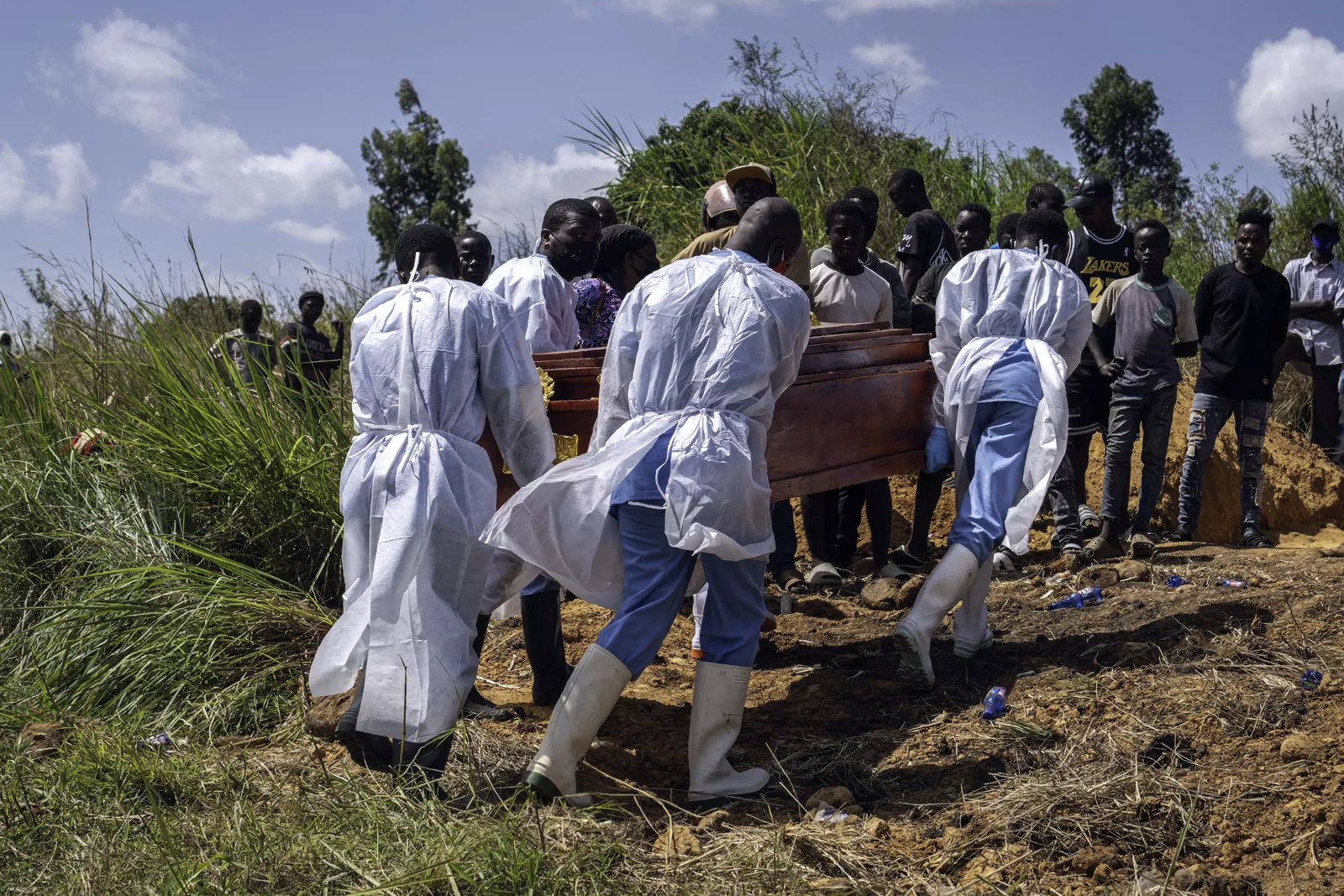
Containment efforts are being hampered by insecurity, population displacement and strained healthcare systems in the affected regions. Doctors Without Borders (Médecins Sans Frontières) has issued a stark warning that the virus continues to outpace containment measures, despite improvements in health facilities and the arrival of additional aid. The medical charity has demanded an immediate expansion of testing capacity, swifter deployment of humanitarian workers, and guaranteed access to medical supplies. Border closures have been implemented between the DRC and neighbouring countries, including Uganda and Rwanda, to prevent further spread. Dr Tedros stressed that community participation remains crucial, saying: “We can stop this Ebola and anyone who has it can also recover. But the rule … this thing is everybody’s business and every citizen should be involved.”
Global vigilance
Health authorities beyond Africa are monitoring potential cases linked to travel from the affected region. In Brazil, two suspected Ebola cases were examined. In São Paulo state, a Congolese man who had recently returned from the DRC developed a fever and subsequently tested positive for meningitis. In Rio de Janeiro state, a second individual who had travelled to Uganda received a positive malaria diagnosis. Brazilian officials have said neither diagnosis excludes the possibility of concurrent Ebola infection. In Italy, health protocols were activated in Cagliari, Sardinia, after a man arrived from the DRC on Saturday displaying symptoms. Italy’s health ministry confirmed on Monday that he tested negative, stating: “We confirm that the risk [of Ebola] in Italy remains low.” The U.S. Centers for Disease Control and Prevention has implemented enhanced travel screening and entry restrictions for travellers arriving from affected regions.