

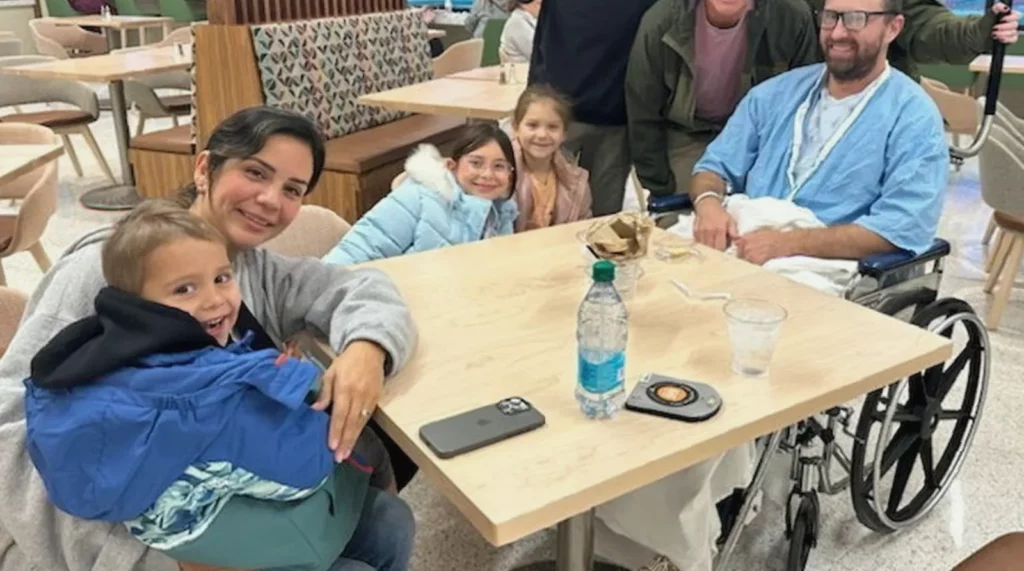
For Jolene and Spencer Eddy, a young family from Williston, North Dakota, the unthinkable became reality when both were diagnosed with life-threatening cancers within months of each other, forcing them and their three children onto a gruelling medical odyssey that tested every ounce of their resilience.
A years-long battle for a diagnosis
The ordeal began not with a sudden crisis, but with years of dismissed concerns. Spencer Eddy, then 39, had suffered from what he described as “dizzy spells” for some time. According to Jolene, their requests for an MRI scan were repeatedly declined by doctors who believed the symptoms were simple vertigo, arguing the odds of a brain tumour were “astronomically low”.
That changed drastically in April 2024. After getting off a flight, Spencer began “walking like he was drunk”. This time, an ear, nose and throat specialist in a neighbouring town ordered an MRI, which revealed a lime-sized tumour. The couple were referred to the renowned Mayo Clinic in Rochester, Minnesota, an eleven-hour drive from their home. It was there, in October 2025, that Spencer received a devastating and rare diagnosis: medulloblastoma.
The diagnosis was particularly shocking due to Spencer’s age. As outlined in medical research, medulloblastoma is predominantly a childhood cancer, accounting for a quarter of all paediatric brain tumours. In adults, it is exceptionally rare, representing less than 1% of all adult brain tumours, with an incidence of roughly 0.5 to 0.6 cases per million people per year. It typically, though not exclusively, affects younger adults between 20 and 40.
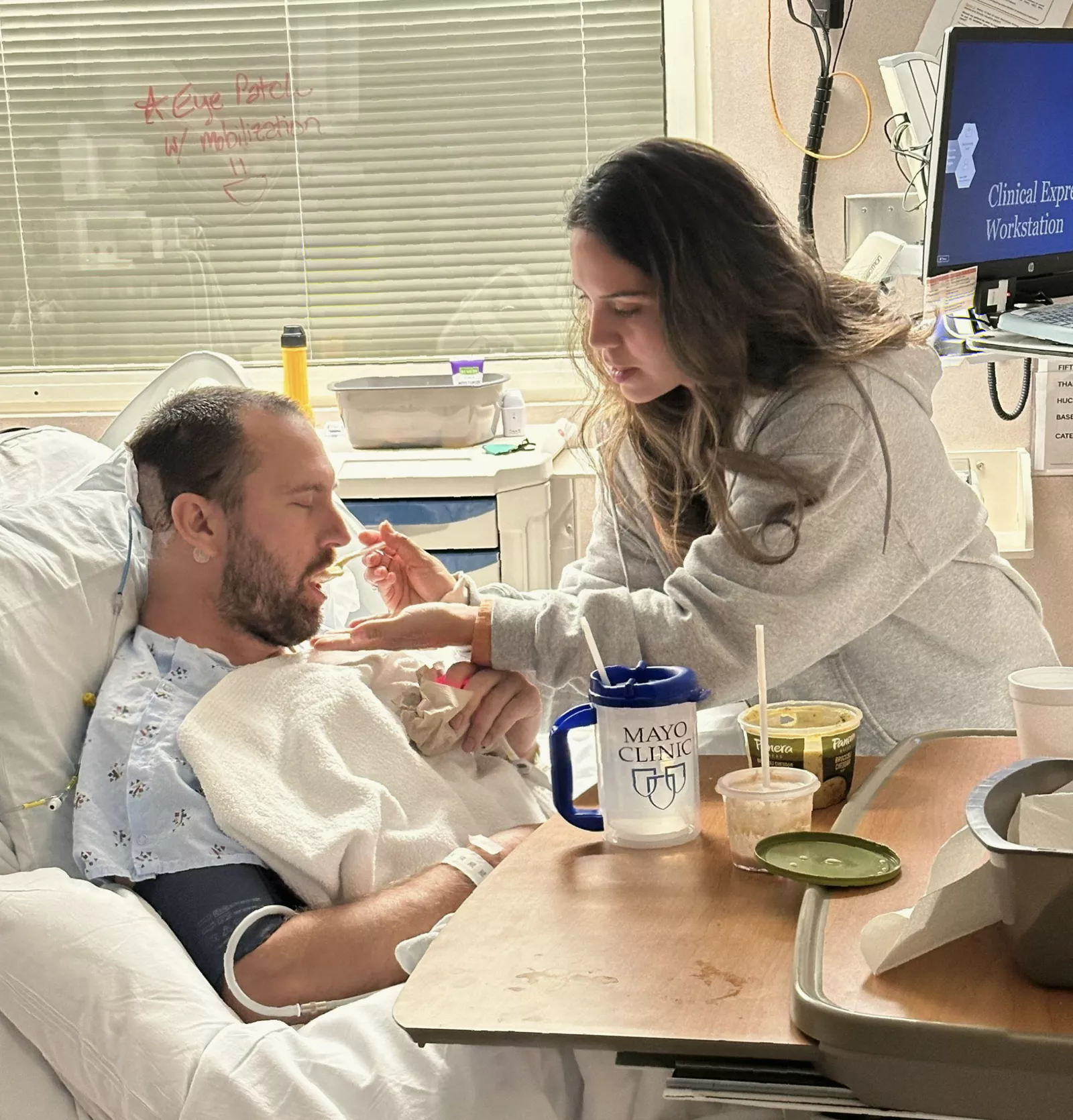
The medical team at the Mayo Clinic explained the severity. The tumour was blocking the flow of cerebrospinal fluid from his brain to his spinal cord. They were reportedly astonished he was still walking and talking and had not suffered a stroke. After an eight-day wait due to the surgeon’s schedule, Spencer underwent a ten-hour operation. The surgeons successfully removed 85% of the tumour, but the family faced an agonising uncertainty, not knowing if he would walk, talk, or even survive with full cognitive function afterwards.
A second blow during recovery
As Spencer began the slow process of recovery—requiring speech and physical therapy alongside 30 rounds of radiation to target the remaining tumour—his wife was dealing with her own hidden worry. While at the hospital, Jolene had noticed a small, pea-sized lump under her armpit but pushed concern aside to focus on her husband.
After two weeks of inpatient rehabilitation, the couple moved to a local Airbnb so their children could join them. By January 2025, the family was able to return home to North Dakota. It was then that Jolene, 38, sought medical advice about the lump. Initially told it was likely just a cyst, she insisted on its removal. Tests revealed it was breast cancer. “I was absolutely floored,” Jolene recalls. “We were so devastated and scared about what would happen to our kids.”
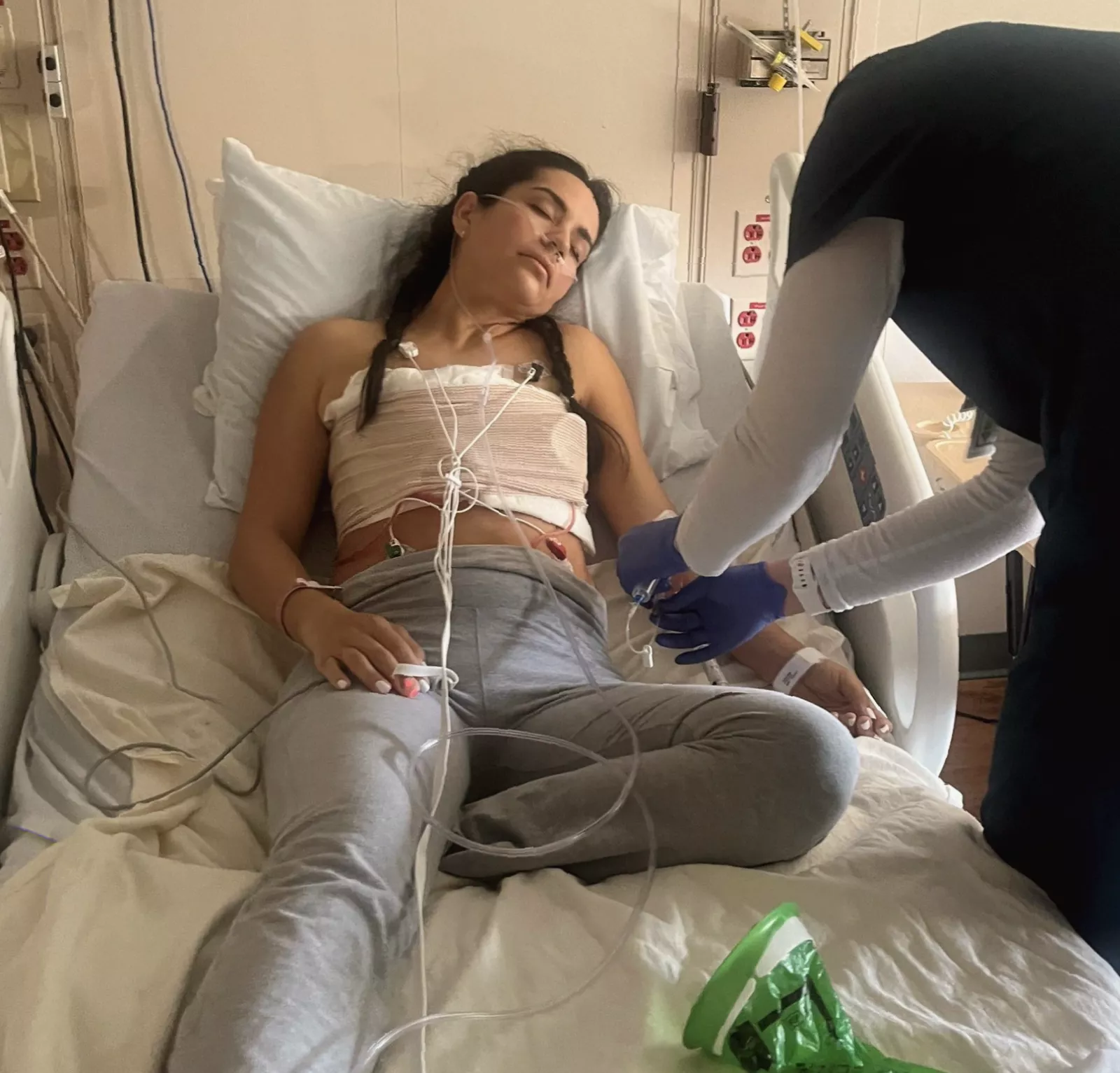
Her treatment moved swiftly. She was put on hormone blockers and underwent a double mastectomy in April 2025, a procedure she chose to undergo without immediate reconstruction to avoid additional surgeries while caring for Spencer, who was still undergoing chemotherapy. Her recovery was fraught; she suffered severe sickness and fainting spells, requiring an emergency dash back to hospital and a two-unit blood transfusion after her body began to shut down post-operation.
The long road ahead, together
By June 2025, Spencer had finished his chemotherapy. A subsequent MRI showed no signs of cancer, a significant milestone. He now requires scans every three months for monitoring. Jolene is also currently cancer-free. Yet their recovery is an ongoing daily challenge, a new normal defined by mutual care and profound fatigue.
Spencer still has difficulty walking and cannot drive. The couple now attend many of their oncology appointments together for convenience. Jolene describes the relentless pressure of being a carer while managing her own recovery: “I feel like I can’t have bad days, because I’m taking care of my husband. I still have to cook breakfast, lunch and dinner, and take care of everyone.”
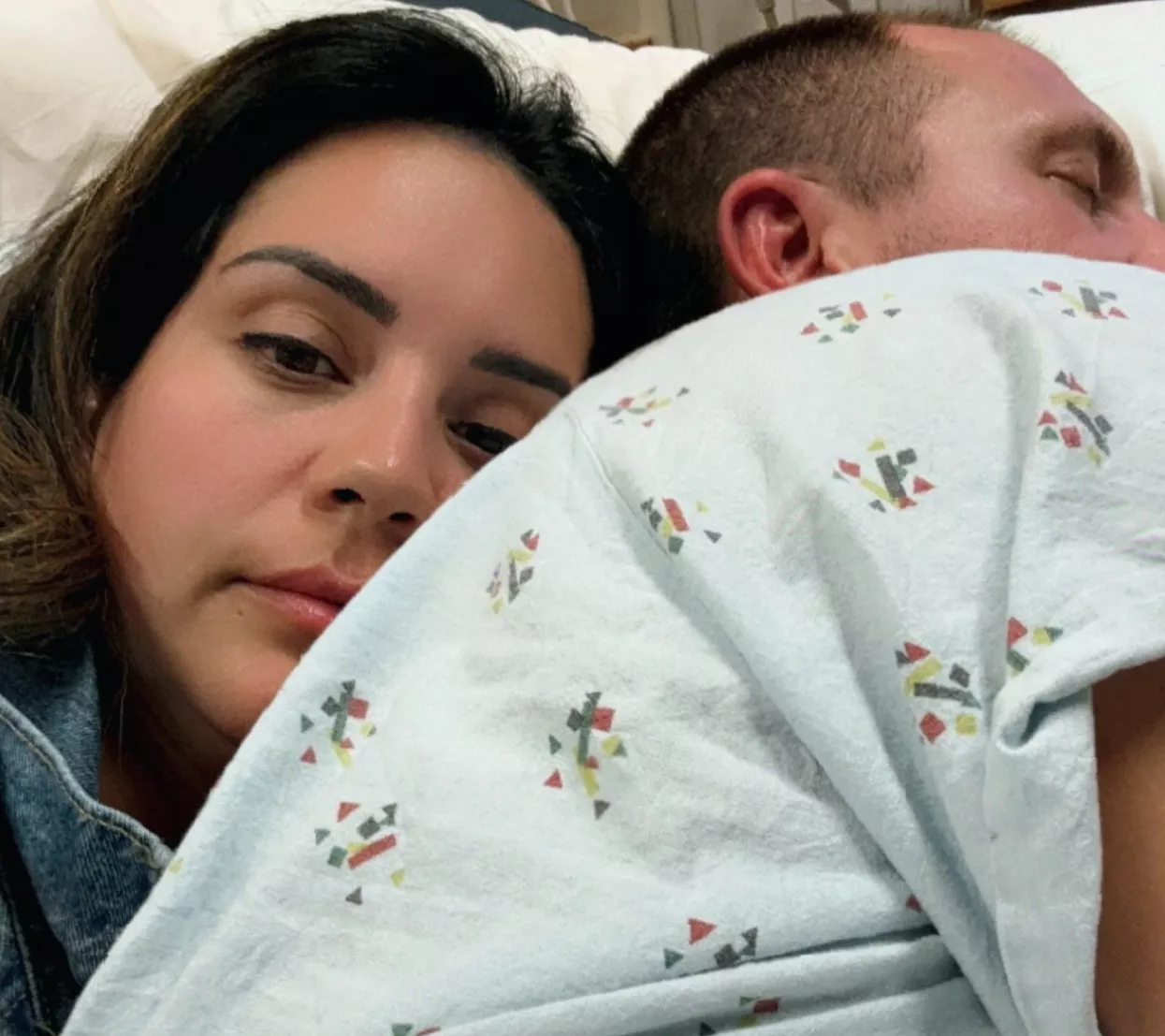
The strain has also reshaped the world of their three young children. Jolene notes their perspective has changed, with their schoolwork often expressing hopes for their parents’ health and recovery. The family has access to local support networks in North Dakota, including organisations like the Hope Foundation of North Dakota and the American Cancer Society, which provide resources and assistance to those facing cancer in the region.
Despite living through what they describe as “most people’s nightmare,” the Eddys project a determined optimism. “We have a long life, and we’re going to fight for it,” Jolene says. Their story is one of two parallel battles, intertwined and fought side-by-side, with the shadow of rare disease giving way to a hard-won, fragile hope.