


For Laura Packer, the onset of debilitating chronic pain and incontinence began at the age of 12, a direct result of endometriosis that would take years to formally recognise. Her story, while deeply personal, reflects a national crisis in the recognition and treatment of a condition that affects approximately one in ten women in the UK.
Laura’s first period arrived on her 12th birthday, an event she describes as a “massacre”. The Bedfordshire woman recalls leaking through everything, suffering horrendous pelvic pain that made her sick, and battling migraines. The pain was a constant, searing presence. “It’s like knives inside you, tugging at your organs and stabbing them,” she explains. For years, she masked the agony daily with tramadol, morphine, heating pads, and a TENS machine.
Her early struggles were compounded by a relentless fight to be heard. She made an estimated 20 trips to her GP as a teenager, only to be told her symptoms were due to anxiety, that she should drink more milk, or to test for sexually transmitted infections despite being a virgin. The pain was so severe she couldn’t use tampons, relying instead on thick incontinence pads that would leak at school. “I felt gross, like there was something wrong with me,” she says, describing how the condition made her secretive and self-conscious, constantly planning her life around the nearest toilet.
A Dismissive Pathway to Diagnosis
Laura’s experience of being dismissed is tragically common. According to Endometriosis UK, the average time from a first GP visit to a diagnosis of endometriosis has now reached nine years and four months, an increase from eight years in 2020. Their research indicates 39% of those diagnosed needed to visit their GP 10 or more times before the condition was suspected. A survey by Holland & Barrett found more than a third of women say menstrual symptoms have been dismissed by a healthcare professional, a figure echoed by Endometriosis UK, which reports 82% of respondents were told they were “making a fuss about nothing” or that their severe symptoms were normal.

For Laura, diagnosis finally came at age 19 after exploratory surgery. One of her doctors, an endometriosis specialist, correctly predicted the condition upon seeing her bloating, known as ‘endo-belly’. “I was so relieved to get the diagnosis, because so many medical professionals made me feel I was being dramatic, or making it up,” she remembers. Endometriosis, which affects over 1.5 million women in the UK, involves cells similar to the uterine lining growing elsewhere in the body, causing a wide range of debilitating symptoms.
Treatment, Complications, and Systemic Impact
Her diagnosis was just the beginning of a complex medical journey. That same year she had surgery to remove some of the tissue, which provided only brief relief. A later medication to stop her periods forced her into an artificial menopause, causing hair loss, memory problems, and extreme, unexplained rage. She has since undergone six operations.
The condition’s impact is whole-body. Laura developed cysts, or endometriomas, on her ovaries, which can burst agonisingly—as happened on her university graduation day, leaving her gown saturated with blood. Critically, the endometriosis attacked the nerves and muscles controlling her bladder and bowel. “I was left urinary incontinent at 21 and doubly incontinent at 26,” she states. This complication has severely restricted her life, affecting simple activities like going to a park, the beach, or planning a journey longer than half an hour.
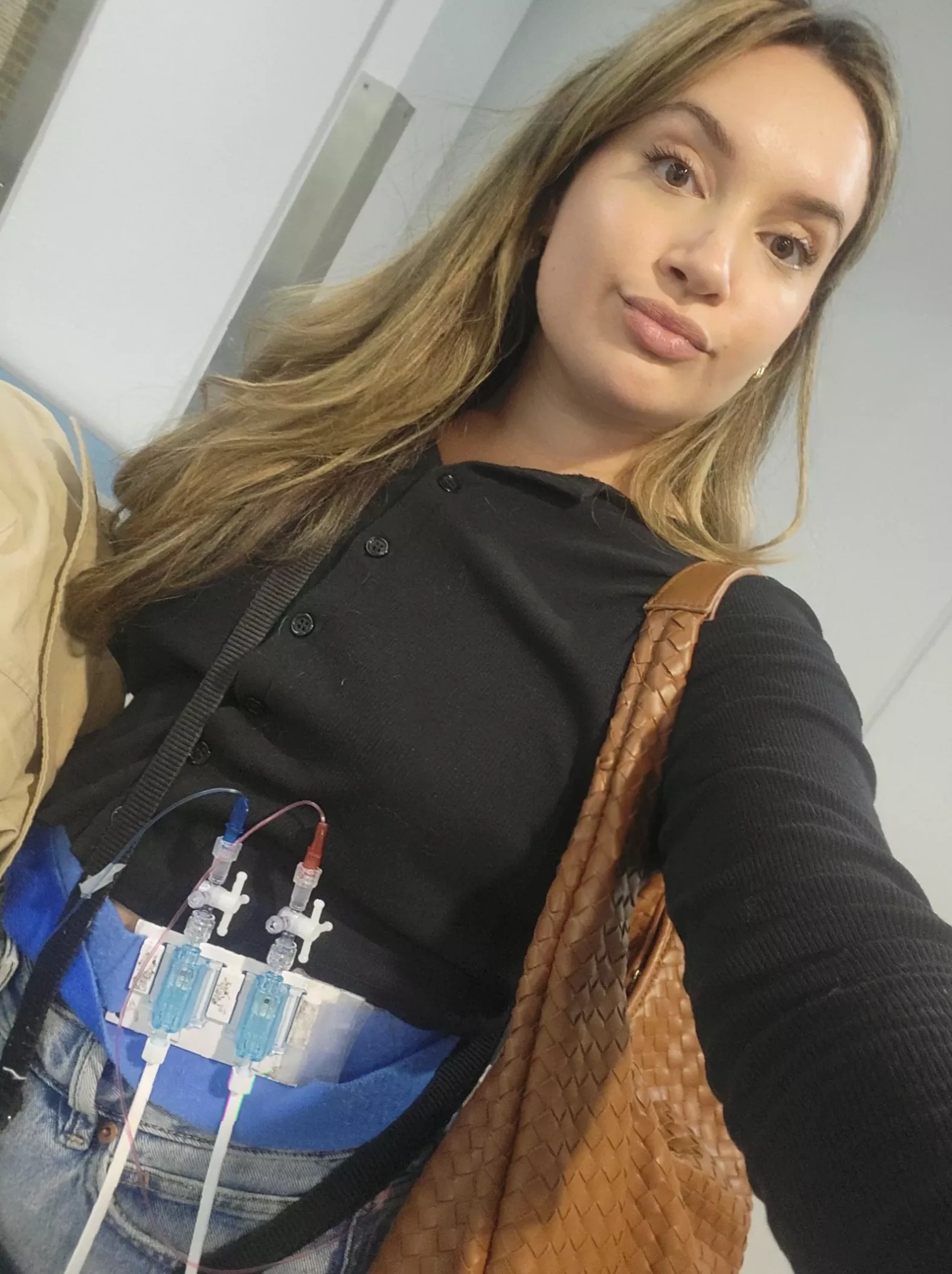
The mental health toll of endometriosis is profound. Research by Endometriosis UK reveals 82% of women with the condition report it negatively impacts their mental health, with studies showing they are three times more likely to experience mental health challenges than their peers. Laura has been on antidepressants since she was 15, citing the constant anxiety and logistical overthinking caused by incontinence as a major factor.
Fertility remains a significant concern. While up to half of women with endometriosis may experience infertility to some degree, estimates suggest 60-70% of those with the condition can conceive spontaneously. However, endometriosis can cause damage to reproductive organs, block fallopian tubes, and create inflammation that affects egg reserves and implantation. It also increases the risk of ectopic pregnancy. For Laura and her fiancé Owen, whom she met during lockdown, sex is too painful to attempt, and her future fertility remains uncertain.
Advocacy and the Search for Relief
Faced with these challenges, Laura has become a vocal advocate, sharing her story on Instagram as @endometriosisandme. She is speaking out as part of a Holland & Barrett campaign, which in partnership with The Endometriosis Foundation, has created ‘Endo Pants’ to illustrate the disease’s symptoms. “This is not a period disease; it’s a full body, inflammatory disease,” she emphasises.

Her future treatment path is complex. She has been told a hysterectomy would not be curative. The next options include Botox injections in her bladder and sphincter, or possible bladder removal surgery—a procedure she is willing to undergo for a chance at better quality of life. The financial burden of such care is significant, with private endometriosis surgery in the UK costing between approximately £4,298 and over £24,000.
Charities like Endometriosis UK are campaigning to reduce diagnosis times to one year or less by 2030, a target that underscores the scale of change needed. Laura’s own life remains on hold—unable to plan her wedding or pursue a career in psychology—a stark illustration of the condition’s far-reaching consequences. “It is frustrating and unfair that young women are going to the doctors and being dismissed,” she says. “If this was a male disease, I believe there would be a cure and much better support.”