

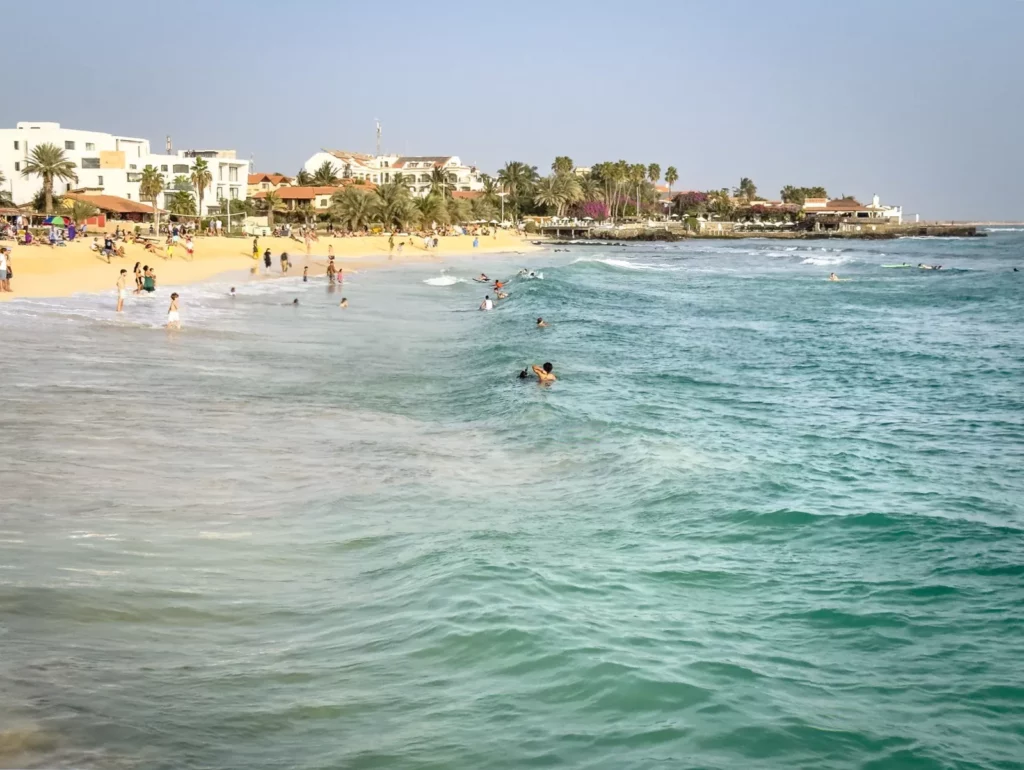
Eight British holidaymakers have now died after contracting severe gastrointestinal illnesses during or following visits to Cape Verde, with the most recently confirmed death being that of a pensioner from Berkshire who passed away in 2024.
The Victims and the Scale of the Outbreak
The woman from Berkshire, whose family came forward after learning of similar cases, died from dehydration and fever caused by a bacterial illness which placed severe strain on an existing heart condition. Her death brings the total number of British fatalities to eight. Among the other confirmed victims are Elena Walsh, 64, from Birmingham; Mark Ashley, 55, from Bedfordshire; and Karen Pooley, 64, from Gloucestershire, alongside a 56-year-old man. Four of these deaths occurred within a four-month period.
The legal firm Irwin Mitchell is representing the families of six of the deceased. The firm is investigating more than 1,700 cases in total linked to Cape Verde holidays taken between 2022 and 2025, which includes these fatalities as well as over 1,500 people who fell ill and are reporting long-term health complications. The cases span a wide age range, from under one year old to 81, with the median age being 54 and the group most affected being those aged 50 to 59.
UK health authorities have been tracking a significant and sustained outbreak. Between October and December 2025, the UK Health Security Agency (UKHSA) documented 137 confirmed Shigella infections, with around 80% of cases linked to travel to Cape Verde. By February 2026, of 158 confirmed Shigella cases reported since October, 112 (95%) had travelled to the islands. Overall, since September 2022, 263 cases have been reported in the UK. The outbreak extends beyond Britain, with the European Centre for Disease Prevention and Control (ECDC) reporting over 1,000 confirmed and possible cases of shigellosis and similar infections in travellers from various countries returning from Cape Verde as of March 2026.
Understanding Shigella and How It Spreads
The primary pathogen behind this ongoing crisis is Shigella sonnei, a bacterium that causes shigellosis. This highly infectious illness is typically spread through the faecal-oral route. This means it can be transmitted via contaminated food or water, or directly from person to person through poor hygiene. The bacteria cause intense gastrointestinal distress, including severe diarrhoea (which can be bloody), fever, and stomach cramps, leading to dangerous dehydration.
According to public health investigations, the source in Cape Verde has not been definitively pinned down, but evidence strongly points to food and waterborne transmission. Investigators collected 156 samples from drinking water, fresh produce, food preparation areas, and irrigation systems. Shigella bacteria were found on some imported foods and in irrigation water used to wash produce. Identified risk factors for holidaymakers include consuming food from buffets or on excursions, using local swimming pools, and exposure to local water and sanitation conditions. The majority of UK cases are linked to travel to the Santa Maria and Boa Vista areas.
It is worth noting that the specific strain in this outbreak does not show resistance to common antimicrobial treatments. However, this outbreak is not an isolated event; a significant Shigella outbreak was also reported in Cape Verde in 2022, affecting travellers from several European countries. Currently, there is no licensed vaccine for shigellosis, though candidates are in clinical trials.

Broader Infections and Legal Action
While Shigella is the main concern, it is not the only pathogen affecting travellers. The UKHSA has also identified increases in Salmonella cases, with 43 cases from three separate clusters linked to Cape Verde travel since October 2025. Other reported gastrointestinal infections include E. coli, Campylobacter, Giardia, and Cryptosporidium.
In response to the scale of illness, major legal action is underway. Irwin Mitchell has launched High Court proceedings against tour operator TUI UK Limited on behalf of 836 people who suffered gastric illness during or after stays at Riu hotels in Cape Verde during 2022. The allegations include poor hygiene standards and food safety failings, claiming TUI breached its legal duties to holidaymakers. The Riu hotel chain has been mentioned in connection with some of the deaths.
Officials in Cape Verde have defended the country’s health record, stating that the claims are “serious, disproportionate, and likely to cause unjustified alarm.” They argue that the temporal link between travel and illness does not prove causality and that the incidents represent isolated occurrences rather than a sustained epidemiological pattern.
Official Health Advice for Travellers
In light of the ongoing outbreak, the UKHSA has issued clear guidance for those travelling to Cape Verde. The cornerstone of prevention is strict hand hygiene: thorough and frequent handwashing with soap and water, or using alcohol gel, especially after using the toilet, changing nappies, and before eating or preparing food.
Travellers are advised to consume only food that is well-cooked and served hot, and to avoid ready-to-eat foods like unwashed fruits and vegetables, salads, and products containing ice. Only bottled or boiled water should be drunk. The UK government advises those with pre-existing health conditions to consult a medical professional before departure.
Should symptoms such as diarrhoea (particularly if bloody), fever, or stomach cramps develop during or after travel, individuals are urged to seek prompt medical attention and must inform healthcare providers of their travel history. Carrying oral rehydration salts is also recommended to manage symptoms should they arise.