

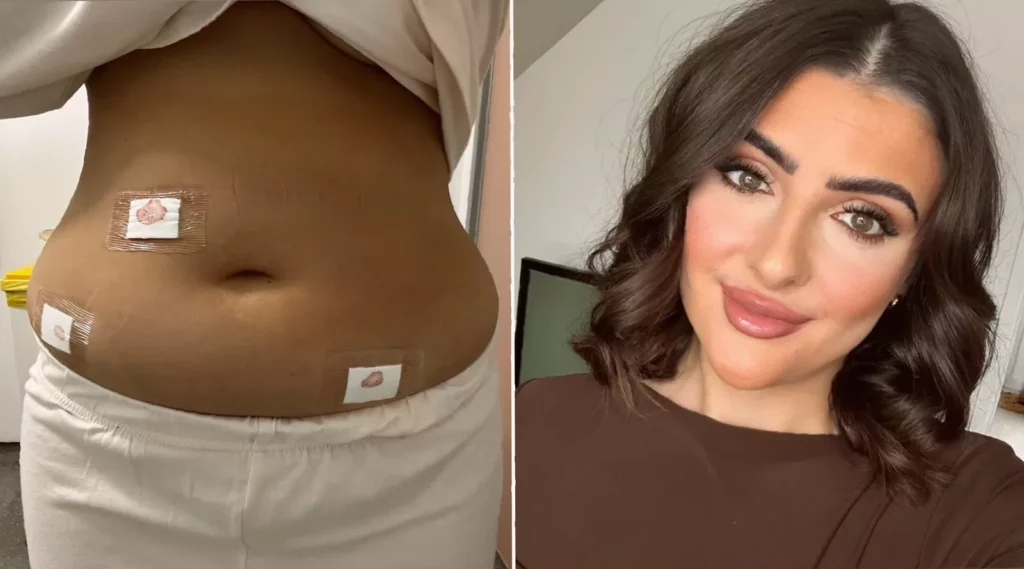
A young woman was told to ‘just get pregnant’ after being diagnosed with endometriosis, a piece of advice she described as both “incredibly inappropriate and disgusting”.
The woman, now 27, had spent seven years seeking answers for debilitating pain before a consultant gynaecologist finally gave her a diagnosis – only to suggest that pregnancy would “solve a lot of my problems”. Speaking to this website, she said the comment left her “speechless” and turned her relief into anger.
‘Just get pregnant’
Moments after confirming she had endometriosis, the male consultant told the young patient that getting pregnant was “the easiest way for you to live without pain”. At the time, she was 25, building a career in the ambulance service, and “nowhere near ready for a family”. She recalled sitting on a recliner bed in his office, trying to process what she was hearing. “I just kept thinking: how could he tell a young adult to just get pregnant?”
Endometriosis is a chronic condition where tissue similar to the lining of the womb grows elsewhere in the body – on the ovaries, fallopian tubes, bowel and bladder. It affects around one in ten women of reproductive age in the UK, equating to an estimated 1.5 million people, according to Endometriosis UK. Yet the average time to obtain a diagnosis in the UK stands at nine years and four months – a figure that has increased from eight years in 2020.
Years of being dismissed
For this woman, the road to that diagnosis was littered with dismissive advice. When she was 18, she collapsed at home from the pain and was taken to A&E. There, a gynaecology specialist told her she simply had “bad period pain”.

But the agony was far from ordinary. Her periods would last for weeks, heavy and relentless, leaving her drained. Even when the bleeding stopped, the pain continued in waves – “sharp, deep, and unbearable” – often leaving her doubled over. Her abdomen would swell, and she would feel nauseous and exhausted. “I wondered how something so invisible could feel so destructive,” she said.
Every visit to her GP or a specialist was met with the same response: “It’s all in your head”, “just take paracetamol”, or advice to have a contraceptive coil inserted to treat the symptoms. She was expected to carry on as if this was normal. “None of my friends experienced anything like it,” she said. “I learned to endure it and carried on for years feeling like I was overreacting.”
Her experience reflects a wider problem. Studies indicate that women with endometriosis are three times more likely to experience mental health challenges such as anxiety and depression, linked to chronic pain, fatigue, and the sense of being unheard – a phenomenon often described as “medical gaslighting”. The condition costs the UK economy an estimated £8.2 billion annually through treatment, lost workdays and healthcare costs.
Finally some answers – but the same old advice
By the time she turned 23, in 2022, she was under the care of a gynaecology consultant who specialised in endometriosis, after friends and colleagues encouraged her to keep pushing. It was not until September 2025 – after a laparoscopic surgery to visually identify and biopsy the tissue – that the surgeon confirmed the diagnosis. Definitive diagnosis can only be achieved through this keyhole procedure, as scans such as ultrasounds and MRIs are not conclusive.
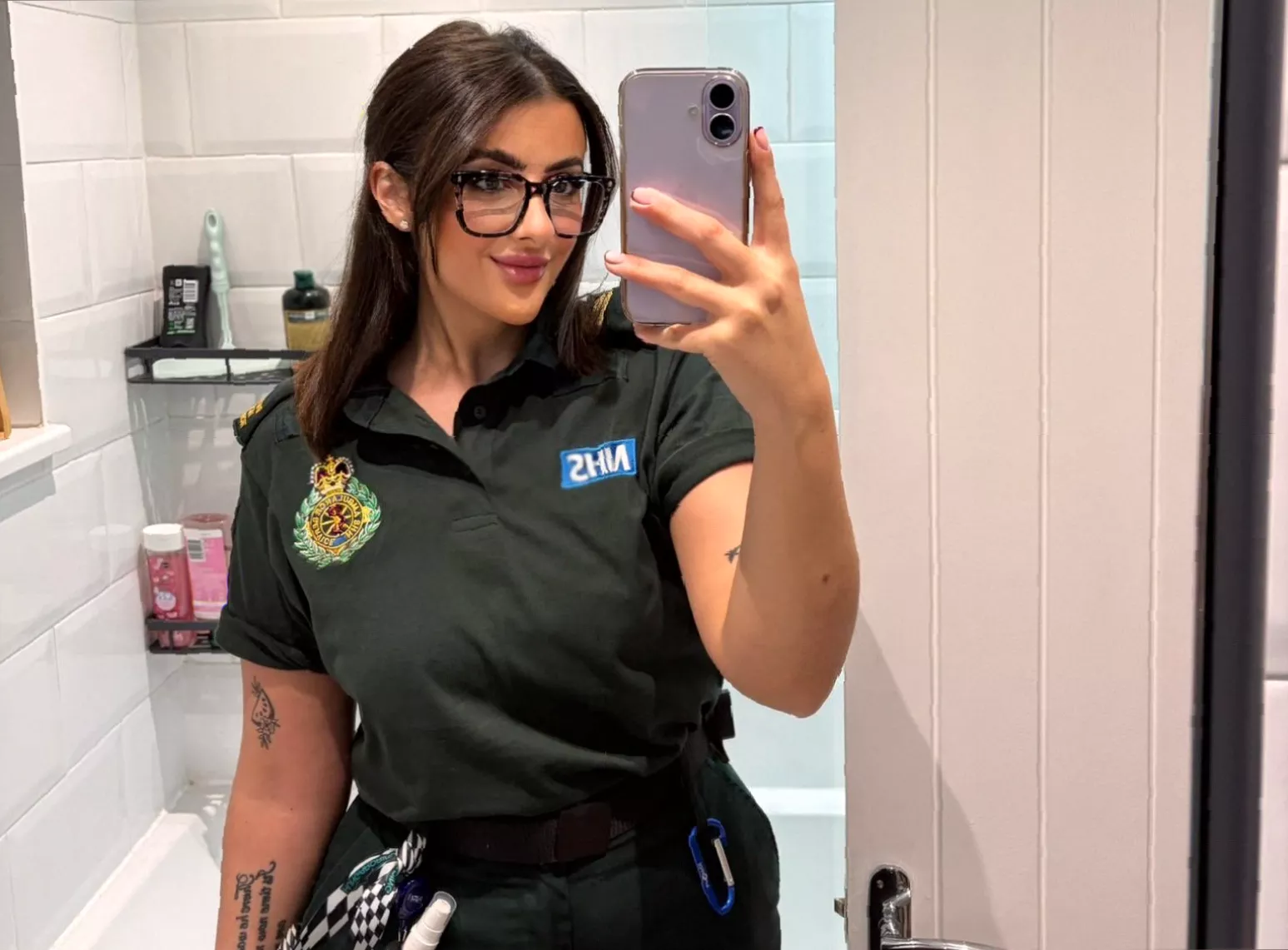
Yet her relief was short-lived. At the follow-up appointment, the consultant dismissed her concerns about whether she was even fertile – something a doctor had insinuated years earlier – and repeated the message: have the coil fitted. “I tried to explain I was not in a good place, but my concerns were brushed aside,” she said. She wished she had been seen by a female gynaecologist, “maybe I would have been heard, and with greater empathy”.
The toll of the coil – and a turning point
She followed the advice and had the hormonal coil (IUS) inserted. For the first three months it worked, reducing pelvic pain and heavy periods by thinning the uterine lining. But then her flare-ups began getting worse. She experienced weight gain, severe acne, insomnia, and a deterioration in her mental health. “I felt lost and wanted to give up,” she said.
In January 2026, she made the decision to have the coil removed. “It was a turning point. Not an easy decision, but it was mine – and for the first time in a long time, I felt like I was taking back control.” While the hormonal coil is commonly prescribed to manage endometriosis symptoms, the research shows it can also cause period-like pain, spotting, headaches and mood changes, and for some individuals it can exacerbate pain rather than relieve it.
Taking back control
Now back under the care of her GP – whom she describes as someone who listens and is willing to trial different pain medications – she still deals with regular pain. She manages with strong pain relief, hot water bottles, hot baths and sleep. “It doesn’t work the majority of the time,” she admits, “but I am empowered to get through it and take control.”

Her perspective has shifted. “What once made me feel powerless has given me a sense of purpose. I understand the value of trusting my own voice, now that I have some answers and understand my body. Because of this, I am in a better place mentally.” She is determined to use her voice to make sure others do not feel as alone as she once did.
While new treatments are emerging – such as the daily pill Ryeqo, approved for NHS use in England for patients who have exhausted other options, and research into dichloroacetate (DCA) – for this woman, the most important step has been reclaiming agency over her own health. Support organisations such as Endometriosis UK provide helplines and online forums, and patient advocacy groups continue to push for earlier diagnosis and better care.
Her message to others is clear: “I know my body better than anyone else – and I knew that the paths I was being encouraged to take were not right for me.”