

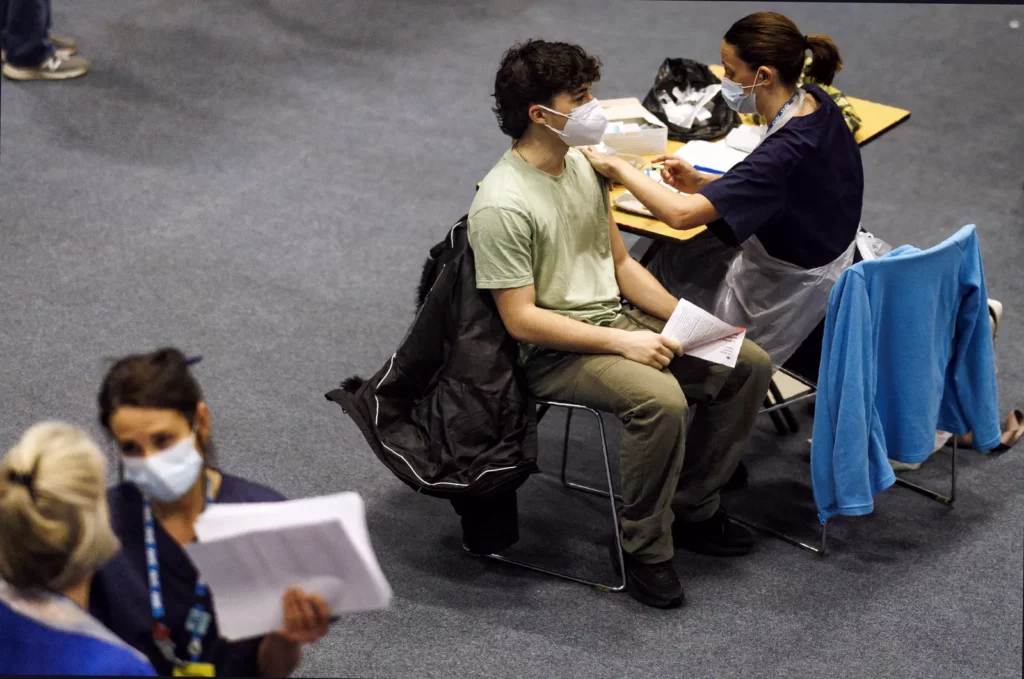
A significant meningitis B outbreak in Kent has led to the tragic deaths of two young people and prompted a targeted extension of the vaccination programme to older pupils across the county.
Public health authorities have confirmed the victims include Juliette Kenny, an 18-year-old student from Queen Elizabeth’s Grammar School in Faversham, and another student from the University of Kent. The UK Health Security Agency (UKHSA), which is managing the outbreak as a national incident, states there are currently 20 laboratory-confirmed cases, with investigations into further notifications ongoing.
In response, the UKHSA has overseen the vaccination of more than 10,600 people since the outbreak began. The agency has now confirmed the meningitis B (MenB) vaccine programme will be extended as a precautionary measure to include 15 and 16-year-olds at four schools in the area to ensure longer-term protection.
Recognising the signs: The crucial symptom of light sensitivity
With the outbreak linked to the fast-moving bacterial form of the disease, medical experts are urgently reiterating the need for public awareness of symptoms, stressing that one lesser-known sign can be a critical red flag: severe sensitivity to light, or photophobia.

According to contact lens optician Tina Patel, photophobia in meningitis occurs because the infection inflames the protective membranes surrounding the brain and spinal cord. This inflammation irritates the nerves responsible for sensing pain and interpreting light, causing normally tolerable daylight, screens, or indoor lighting to become intensely uncomfortable or even painful.
While photophobia can be associated with common conditions like migraines, with meningitis it is distinguished by its severity and the company it keeps. Patel explains that if light suddenly feels unbearable rather than just uncomfortable, and this is happening alongside feeling generally unwell, it becomes a much more concerning sign requiring immediate medical attention. Research indicates this neurological symptom is a frequent challenge, reported by a significant majority of younger bacterial meningitis patients.
Dr Suzanne Wylie, a GP and medical adviser, underscores that with bacterial meningitis, life-threatening sepsis and organ failure can develop within hours. She lists the most common alerts as a sudden severe headache, neck stiffness, fever, and photophobia, alongside general malaise and vomiting. A key warning sign, particularly for meningococcal infection, is a non-blanching purpuric rash that does not fade under pressure from a glass.

Symptoms can vary by age. The UKHSA notes that in infants, classic signs like neck stiffness may be absent, replaced by irritability, poor feeding, lethargy, or a bulging soft spot on the head. In all cases, the consensus from health authorities is clear: bacterial meningitis is a medical emergency demanding instant response.
How the infection spreads and who is most vulnerable
Meningitis is usually spread through close contact with respiratory droplets or secretions from the nose or throat of an infected person. The NHS states it is typically caught from people who carry the bacteria or virus without being ill themselves, through actions like coughing, sneezing, or kissing. Transmission from someone who has actively developed meningitis is less common.
Certain groups are at elevated risk. Dr Wylie identifies a “small peak” in susceptibility among adolescents and young adults, often linked to communal living environments like university halls—a factor relevant to the current Kent outbreak. The research briefing further details that at-risk groups also include babies, young children, older adults, those with weakened immune systems, and people without a spleen.

This vulnerability is compounded by vaccination gaps. While the MenB vaccine has been part of the routine childhood schedule for babies since 2015, the current cohort of university students largely missed this protection. Teenagers and “fresher” students are instead routinely offered the MenACWY vaccine, which protects against other meningococcal strains but not the MenB strain causing this outbreak.
The potential consequences of bacterial meningitis are severe. Even with prompt treatment, the UKHSA notes it can be fatal in an estimated one in ten cases. Survivors may face permanent complications including hearing or vision loss, memory and concentration problems, epilepsy, coordination issues, and in cases of severe sepsis, limb amputation.