

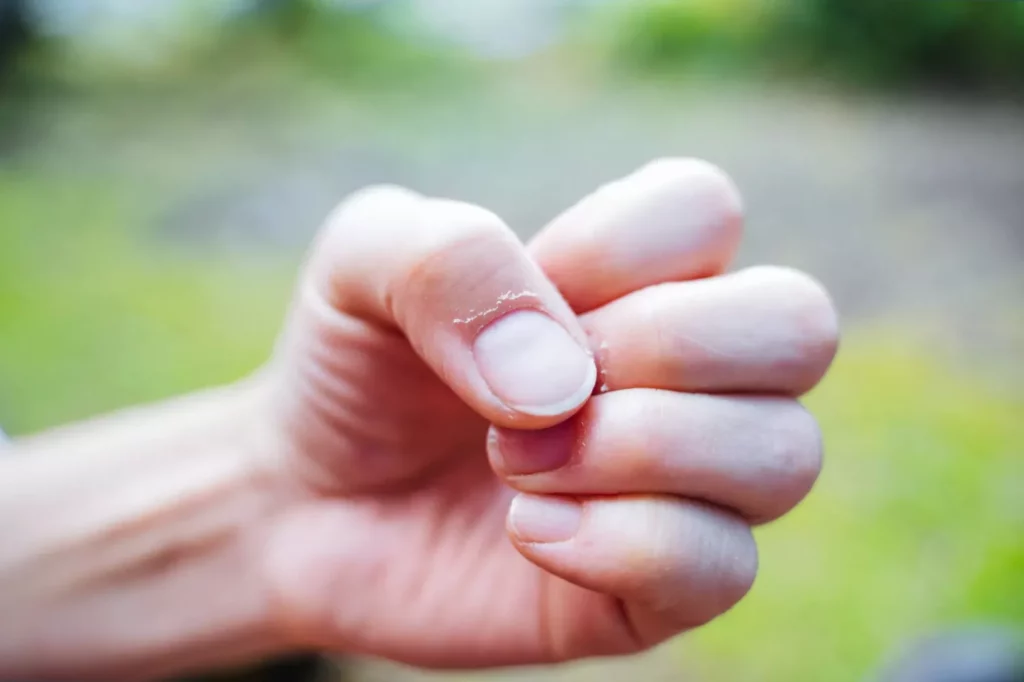
Your fingertips hold more than just fingerprints; subtle shifts in the colour, texture, and shape of your fingernails can provide an early window into your general health, revealing up to ten distinct potential indicators of underlying conditions.
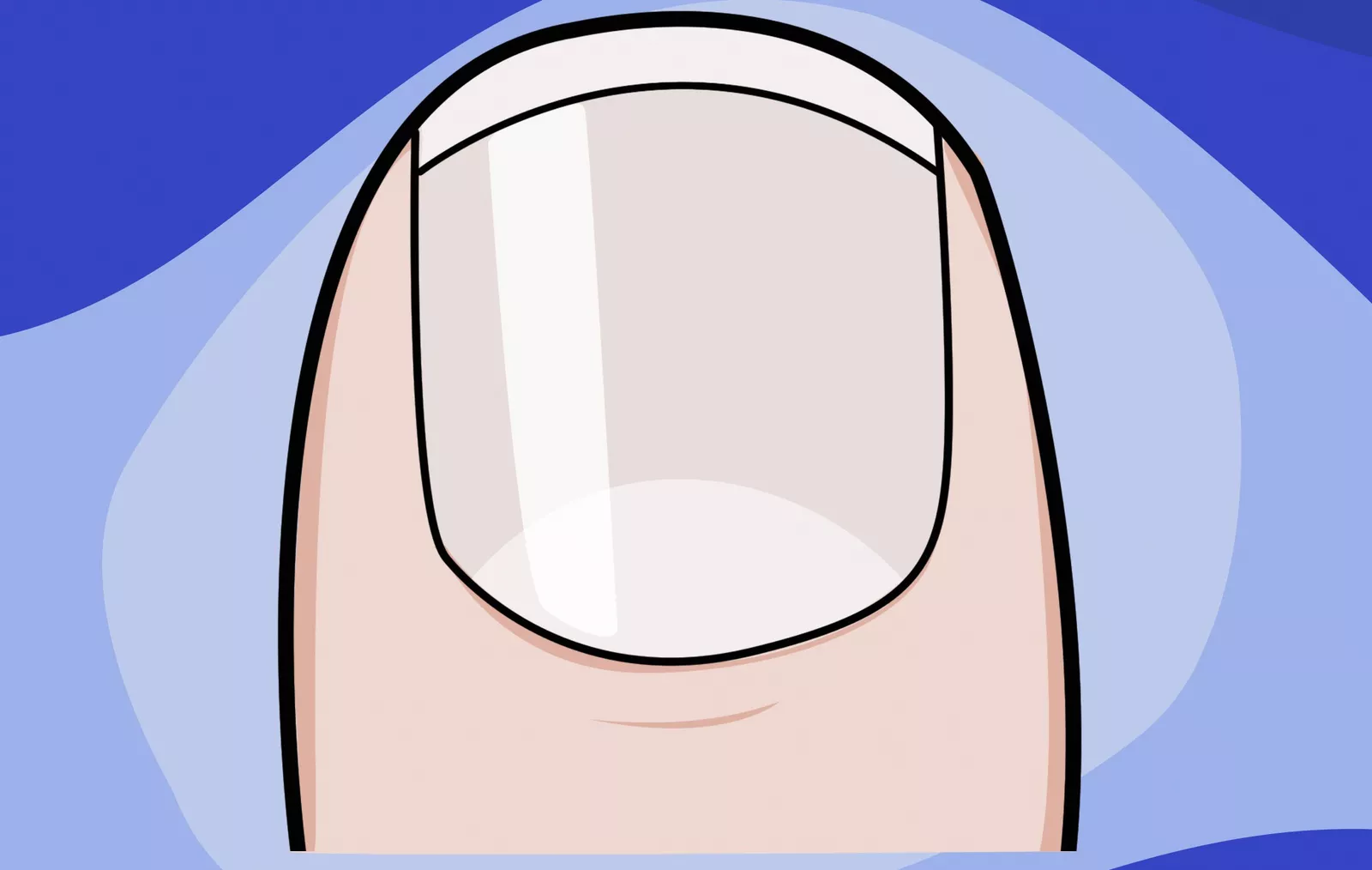
Typically, a healthy nail is smooth, strong, and uniform in colour. Changes to this appearance, however, are common and can stem from a variety of sources. Simple dehydration or repeated exposure to water and detergents can lead to brittleness, while the natural ageing process slows growth and can make nails thicker, drier, and more prone to splitting. Hormonal changes, like the drop in oestrogen during menopause, can also weaken nails by affecting keratin production.
Decoding specific nail changes
While many alterations are benign, persistent or specific patterns warrant closer attention, according to medical professionals. Dr Giuseppe Aragona, a GP and medical adviser for Prescription Doctor, emphasises that such signs must be “interpreted in the wider clinical context rather than in isolation.”
Yellowing is most frequently a sign of a fungal infection, particularly if the nail is also thickened. In rarer instances, it can be linked to chronic respiratory disease or lymphatic disorders, especially if swelling is present elsewhere.
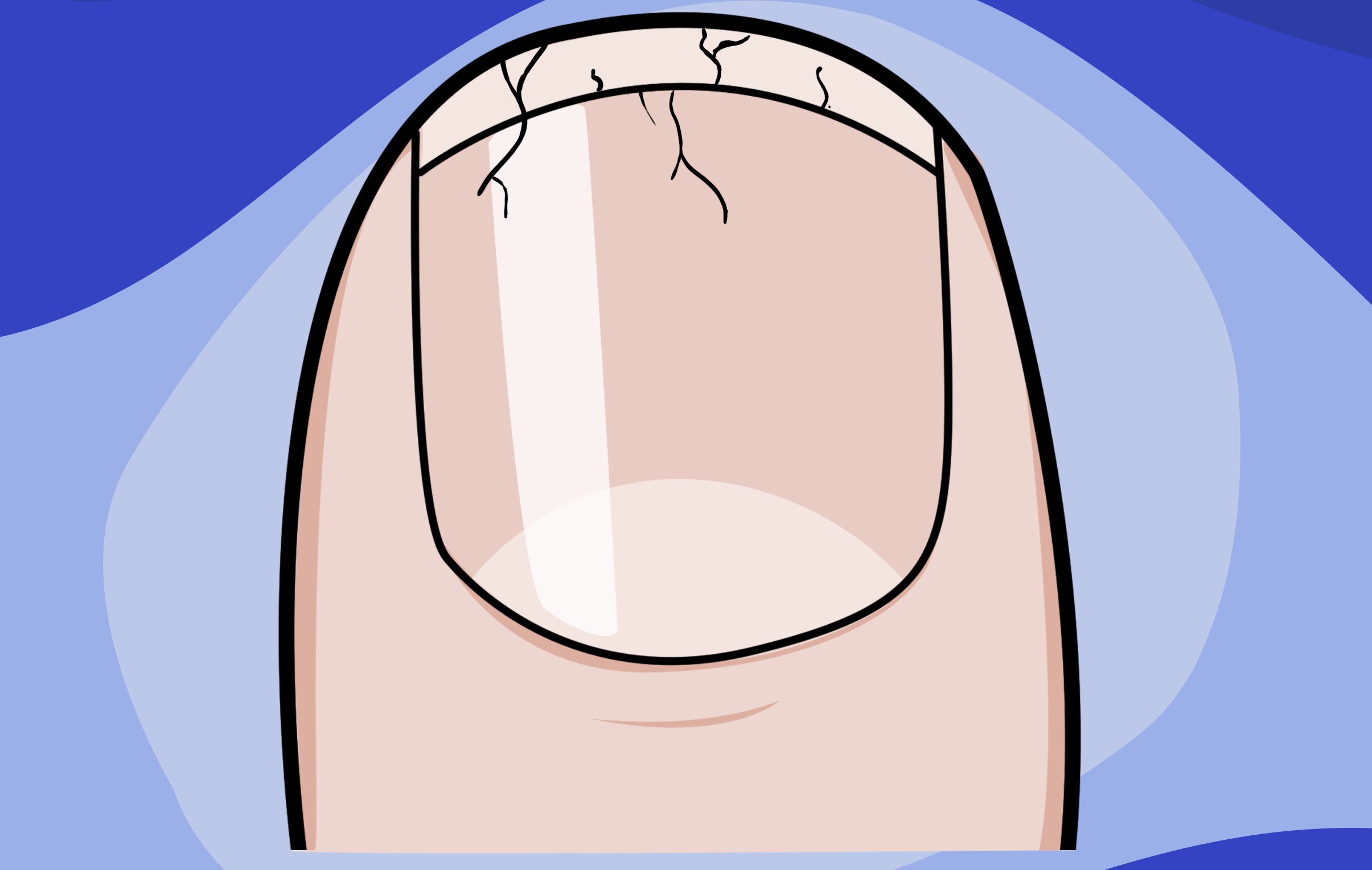
Brittle, thin, or splitting nails are often environmental or age-related, but can also reflect nutritional deficiencies like low iron. Thyroid dysfunction, both underactive and overactive, is another potential cause, as are dry skin conditions like eczema.
Pale or white nails require differentiation. A general washed-out appearance of the nail bed can signal anaemia. More uniformly white nails, particularly with a darker rim—a condition known as Terry’s nails—may suggest advanced liver disease, diabetes, or kidney issues. Half-white, half-brown nails can be a sign of kidney failure.
Dark lines or streaks running vertically demand serious consideration. Known as melanonychia, these can result from trauma, medication, or be benign, particularly in people with darker skin. However, as Dr Aragona warns, new, changing, or irregular lines may represent a melanoma under the nail and need prompt assessment. Separately, reddish-brown lines known as splinter haemorrhages, caused by tiny burst capillaries, can sometimes indicate endocarditis, a serious heart infection, especially if they appear across multiple nails without injury.
White spots are a common concern but are usually the result of minor trauma to the nail matrix, not a calcium deficiency as is often believed.
Pitting or small dents in the nail surface is a hallmark sign of psoriasis, affecting up to half of those with the condition; more than twenty pits per nail is highly suggestive. It can also be associated with alopecia areata. Other psoriasis-related changes include crumbling, discolouration, and onycholysis, where the nail separates from the bed.
Horizontal ridges come in significant forms. Deep grooves known as Beau’s lines can appear after a severe illness like pneumonia or COVID-19, where physiological stress temporarily halts nail growth. In contrast, Muehrcke’s lines appear as paired, white transverse bands that don’t form a ridge. These are associated with low protein levels in the blood, often seen in chronic conditions like liver disease, kidney disease, or severe malnutrition.
Vertical ridges are typically a harmless feature of ageing, though they can sometimes be linked to hypothyroidism or eczema.
Spoon-shaped nails (koilonychia), where the nail becomes concave, is classically associated with iron deficiency anaemia. Doctors would consider this alongside other symptoms like fatigue, and addressing the underlying cause usually allows the nail to correct itself.
Clubbing, where the fingertips enlarge and the nails curve downward around them, is a more significant finding. It can be linked to chronic lung disease, certain heart conditions, or gastrointestinal disorders and always merits medical investigation.
When to seek professional advice
Other notable signs include dusky red half-moons, which can indicate heart conditions, and dark patches beneath the nail that could signal skin cancer. For common issues like fungal infections (onychomycosis), treatment ranges from over-the-counter lacquers and prescription tablets to laser therapy or, in severe cases, temporary nail removal.
The key message from clinicians is that while nails offer valuable clues, they are one part of a larger picture. Any persistent, unexplained change in your nails—particularly those involving colour bands, pitting, separation, or clubbing—should be discussed with a GP or pharmacist for a proper clinical assessment.