

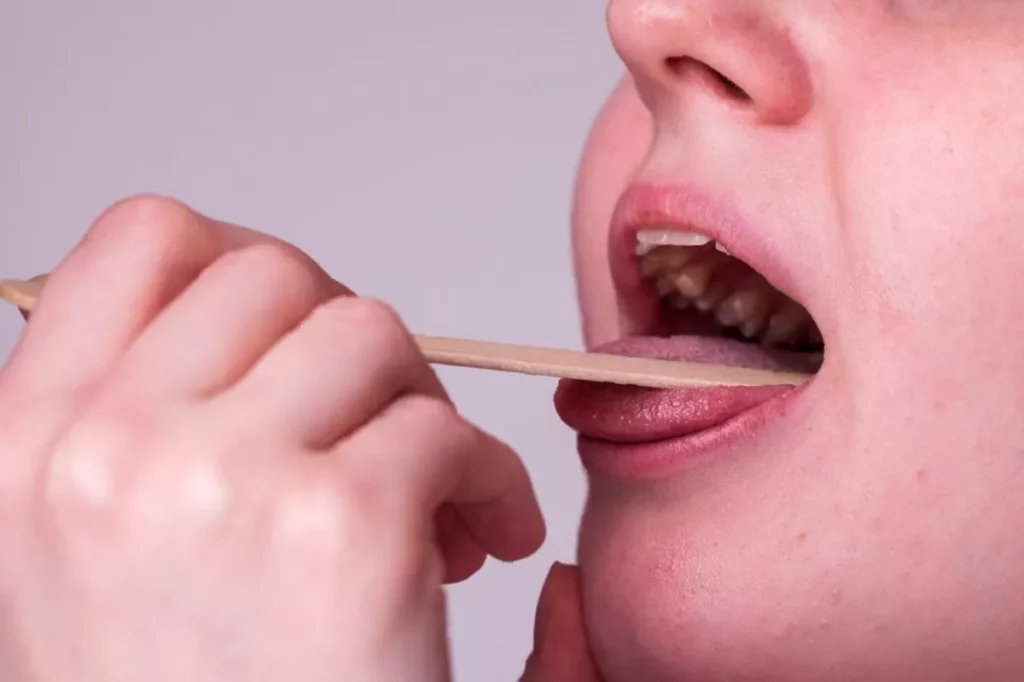
A tongue ulcer that fails to heal within a fortnight is a key early warning sign of mouth cancer that should never be dismissed as a minor injury, a leading oral surgeon has warned.
Dr Andrej Bozic, an oral surgeon at the Dentum polyclinic, stated that one of the most important signals is a sore or ulcer on the tongue that persists for two to three weeks without improvement. He cautioned that while people often attribute such symptoms to accidentally biting their tongue or food irritation, any lingering change warrants a professional examination.
The broader constellation of symptoms
While a non-healing ulcer is a primary indicator, Dr Bozic emphasised a range of other symptoms that should prompt concern. These include unexplained lumps or swellings on the tongue, persistent red or white patches in the mouth, and areas of unexplained numbness or discomfort.
Further signs that merit investigation are trouble swallowing, persistent pain, and noticeable alterations in tongue mobility. “These symptoms do not automatically mean cancer,” Dr Bozic said, “but they are signals that something is not right and should be assessed by a professional.”
The accessibility of the mouth means vigilant self-checks and routine dental examinations are crucial for early detection. Dr Bozic noted that the mouth is one of the easiest parts of the body to examine, and subtle changes can be visible early, placing dental professionals in a key position to identify potential issues.

A growing UK health challenge
The warning comes against a backdrop of sharply rising mouth cancer cases across the UK. Recent figures indicate over 10,825 people were diagnosed with the disease last year, with 9,293 diagnoses in England alone—a 37% increase over the last decade and more than double the number from a generation ago. Nationally, incidence has risen by 49% over ten years.
Tragically, mortality is also climbing, with 3,637 UK deaths last year representing a 46% increase over the same period. Mouth cancer now claims more lives annually than cervical and testicular cancer combined.
The disease is twice as common in men, who account for 68% of cases, and nearly two-thirds (64%) of diagnoses are in people over 60, though reports indicate a rise in younger patients. The tongue is a particularly common site, accounting for one in three UK mouth cancers, with the tongue and tonsils together responsible for 53% of cases.
Lifestyle links and the critical importance of timing
Up to 90% of mouth cancers are associated with lifestyle factors, making many cases potentially preventable. The NHS identifies tobacco use as a major risk, linked to over 60% of cases and increasing risk up to tenfold. Excessive alcohol consumption is implicated in around 35% of UK cases, and the combined use of tobacco and alcohol trebles the risk, with heavy users up to 35 times more vulnerable.
Other recognised risk factors include infection with the human papillomavirus (HPV), chewing betel quid (paan), prolonged sun exposure increasing lip cancer risk, a weakened immune system, and potentially a diet lacking in fresh fruit and vegetables.
Early detection is paramount because survival rates plummet with late diagnosis. Alarmingly, more than half (53%) of all mouth cancers in the UK are diagnosed at stage IV, the most advanced stage. While over 85% of people survive for five years or more when cancer is caught at stage I, the overall five-year survival rate for mouth cancer in England is just 56%, a figure that has hardly improved in recent decades due to late detection.
If a GP or dentist suspects mouth cancer, they will refer a patient to a specialist within two weeks for tests, which can include a biopsy, scans, or fine needle aspiration. Despite the clear advantage of early diagnosis, there is currently no national screening programme for mouth cancer in the UK, as the benefits are not yet proven to outweigh the risks for the general population.
Campaigns like Mouth Cancer Action Month, run by the Oral Health Foundation each November, aim to boost public awareness. However, research indicates nearly one in four people do not know cancer can develop in the mouth, and awareness of common symptoms remains as low as 20%.
Dr Bozic’s advice is unequivocal: “If a sore, patch or lump on the tongue does not improve within two to three weeks, it is important to have it examined. Recognising when something is unusual and acting early can make a significant difference.”