

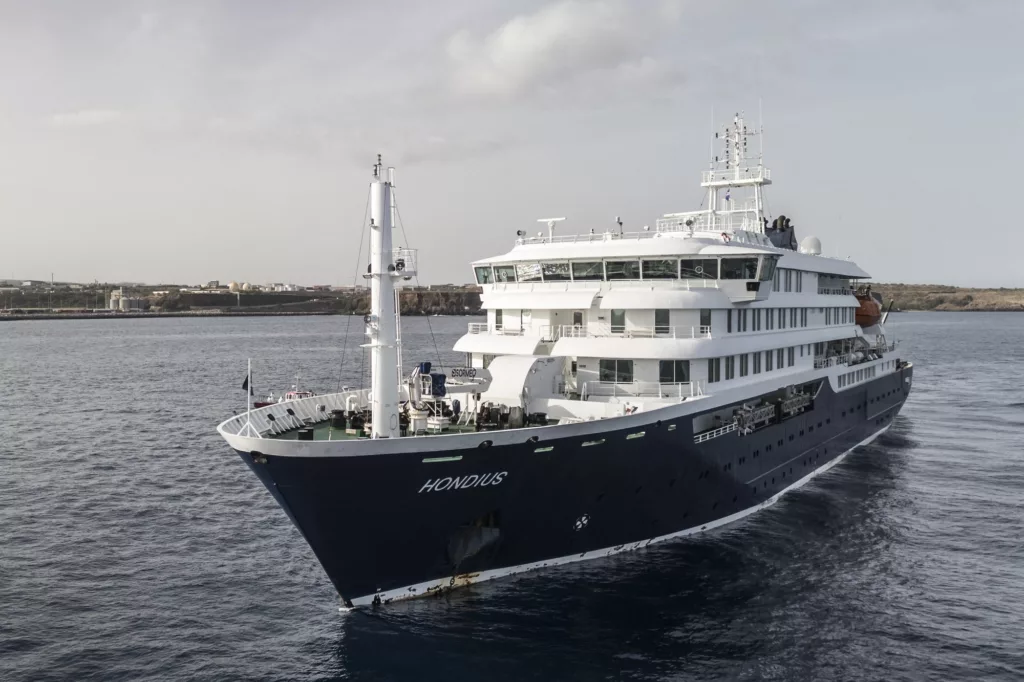
Britons travelling on the hantavirus-stricken cruise ship MV Hondius will be repatriated to a hotel that served as a quarantine site during the Covid-19 pandemic, as officials prepare to bring 22 passengers and crew back to the UK.
Repatriation from Tenerife
The Dutch expedition vessel, which departed Ushuaia, Argentina, on 1 April, is expected to arrive off the port of Granadilla in Tenerife on Sunday. In what the World Health Organisation (WHO) has described as an “unprecedented” operation, the ship will not dock but remain at anchor. Passengers will be transferred to shore via smaller boats, with the entire disembarkation process required to be completed within a narrow weather window – authorities have warned that missing it could lead to delays of weeks.
Once ashore, all passengers will be tested for hantavirus before being transported in sealed, guarded buses to Tenerife South Airport. Drivers and emergency crew on the buses will wear protective gear. UK government personnel, alongside officials from the UK Health Security Agency (UKHSA) and the Foreign Office, will be on hand to meet the British nationals.
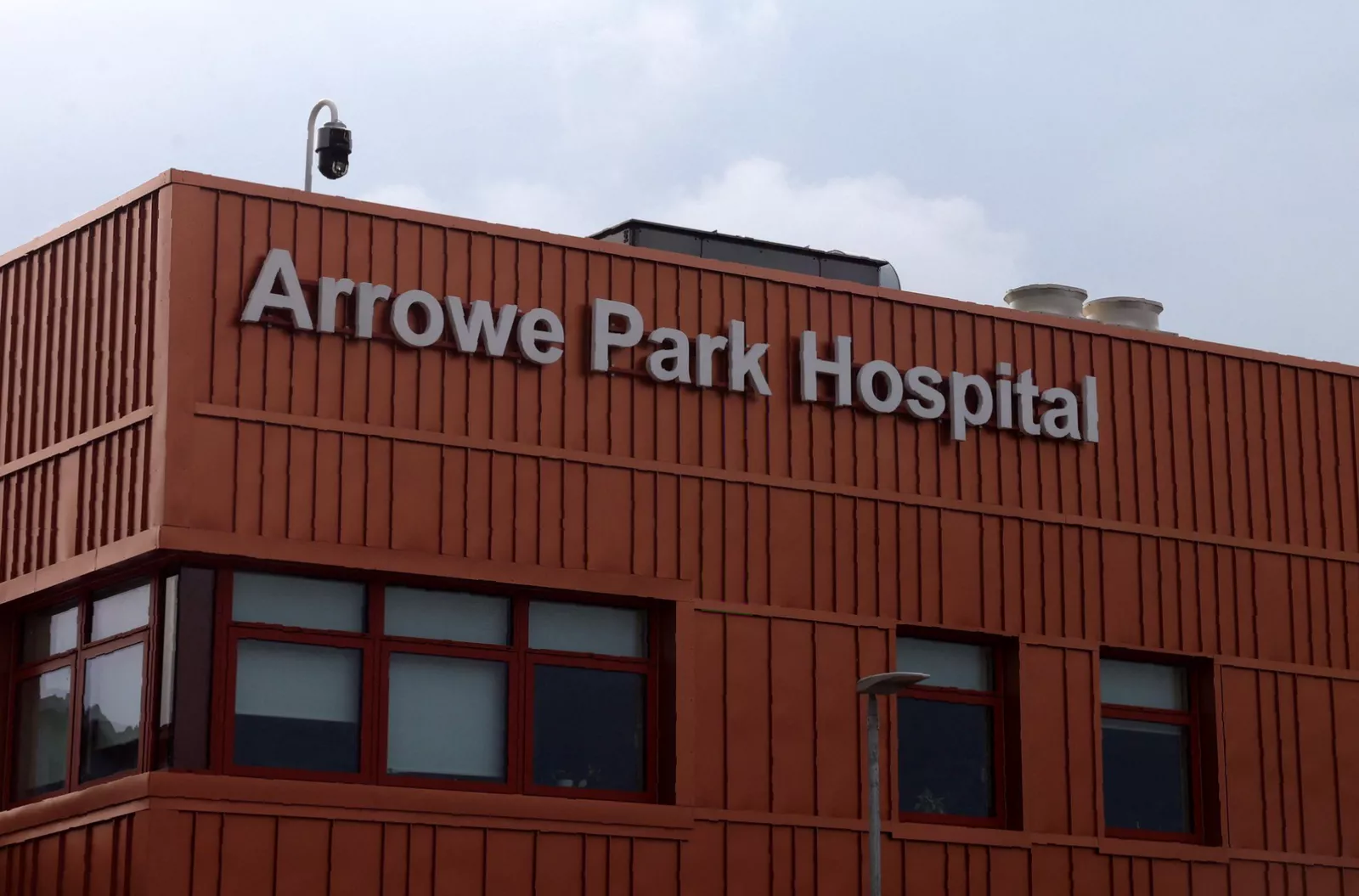
The repatriation flight – free of charge and staffed by public health and infectious disease specialists from UKHSA and the NHS – will operate under strict infection control measures. Passengers will then be taken to Arrowe Park Hospital, near Upton in Wirral, Merseyside. The hospital was notably used as a quarantine site in early 2020 for British nationals evacuated from Wuhan, China, at the start of the Covid-19 pandemic, and later for passengers from the Diamond Princess cruise liner.
Emergency services have said they expect passengers to remain in a “managed setting” at Arrowe Park for up to 72 hours. There, they will undergo clinical assessments and testing in an isolated facility away from the hospital’s public areas. Public health specialists will then assess whether individuals can isolate at home or at another suitable location. All repatriated Britons will be asked to isolate for up to 45 days, with UKHSA closely monitoring them for possible symptoms and conducting tests as required.
The WHO confirmed on Saturday that there are currently no symptomatic passengers on board the ship.
Hantavirus and transmission risks
Hantaviruses are a group of viruses carried primarily by rodents. Some strains can cause Hantavirus Pulmonary Syndrome (HPS), a severe lung disease that begins with flu-like symptoms – fatigue, fever, and muscle aches – before rapidly progressing to coughing and shortness of breath as fluid builds up in the lungs. There is no specific treatment, cure, or vaccine for hantavirus infection; early recognition and intensive care improve the chances of recovery.
The virus is mainly spread by breathing in air contaminated with hantaviruses shed in rodent urine and droppings. Infection can also occur through contact with contaminated surfaces and then touching the mouth, eyes, or nose. The outbreak on the MV Hondius has been linked specifically to the Andes virus, which is unique among hantaviruses because it can, in rare cases, spread from person to person through close and prolonged contact.
The incubation period for hantavirus can range from one to eight weeks, meaning further cases may still emerge. As of 9 May, the WHO reported eight cases in total – six confirmed and two suspected – with three deaths. Three British nationals are among those affected. Two have confirmed infections and are hospitalised in South Africa and the Netherlands respectively. The third is a suspected case involving a British resident of Tristan da Cunha who disembarked on the island and is being monitored by the British Overseas Territory’s health services.
The ship’s operator, Oceanwide Expeditions, has stated that no rodents were reported on the MV Hondius, suggesting the initial infections likely occurred before boarding. The vessel, an Ice Class 1A polar expedition ship built in 2019 and registered in the Netherlands, made a stop at Tristan da Cunha between 13 and 15 April. Thirty passengers disembarked in Saint Helena, and all have been contact-traced by UKHSA. Two British nationals who left the ship in St Helena on 24 April and returned to the UK independently are currently isolating at home and receiving advice from UKHSA.
Official reassurances
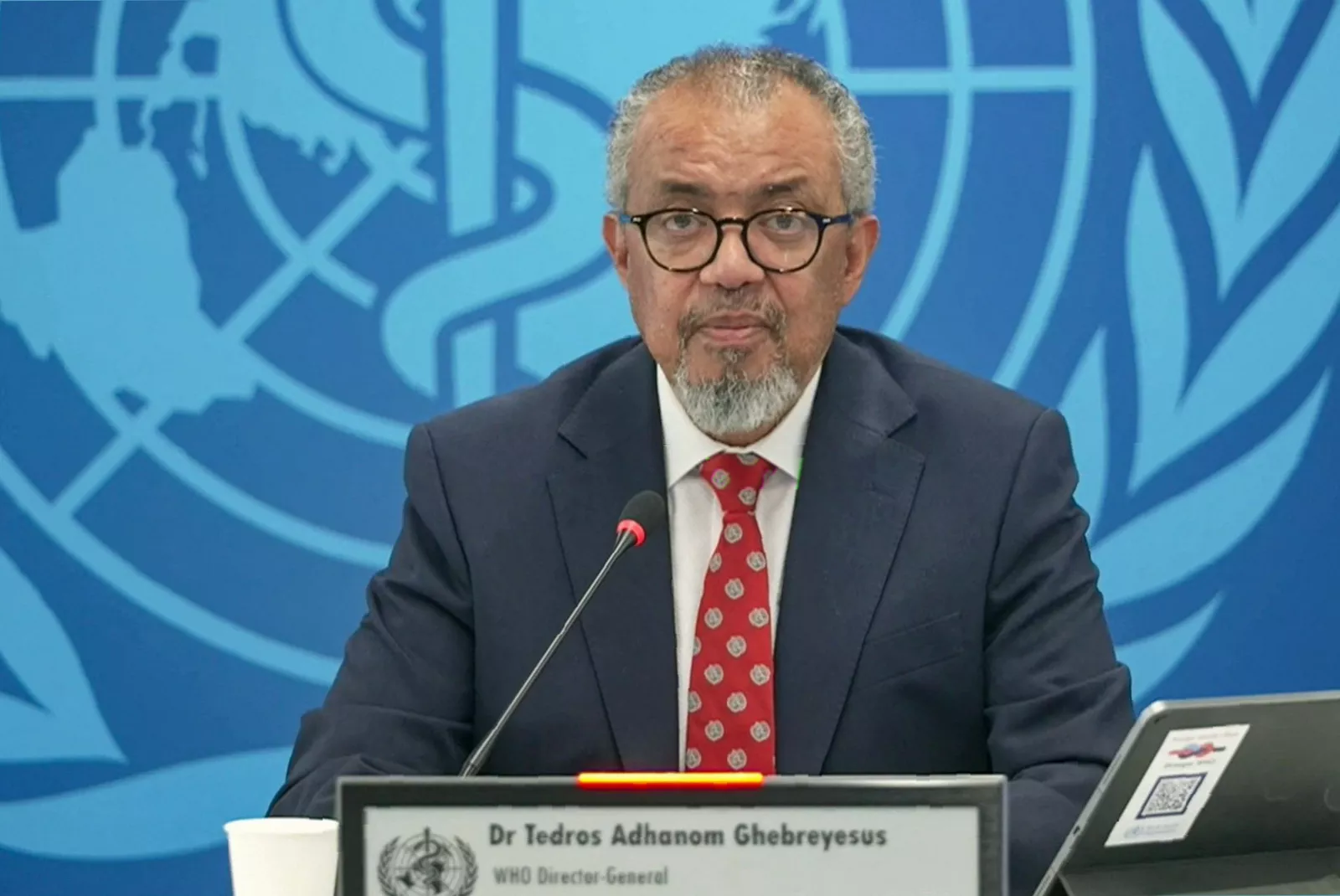
Seeking to ease public concern, particularly among residents of Tenerife, WHO Director-General Dr Tedros Adhanom Ghebreyesus described the virus as “serious” but insisted it was “not another Covid”, adding that the current public health risk is low. He detailed Spain’s carefully prepared plan: “Passengers will be ferried ashore at the industrial port of Granadilla, far from residential areas, in sealed, guarded vehicles, through a completely cordoned-off corridor, and repatriated directly to their home countries. You will not encounter them. Your families will not encounter them.”
Professor Robin May, Chief Scientific Officer at UKHSA, said: “We continue to work at pace with our international partners to ensure the safe repatriation of British nationals from the MV Hondius. The safety and well-being of those on board remains our number one priority. Established infection control measures will be in place at every step of the journey, and passengers will receive full support throughout, including during their period of isolation.
“We recognise that this has been an incredibly difficult and unsettling time for those affected and their loved ones at home. As they prepare for their journey back to the UK, we ask the media to respect the privacy of passengers and their families during what remains a challenging time.”
A joint statement from NHS England North West, NHS Cheshire and Merseyside Integrated Care Board, Merseyside Police, North West Ambulance Service, and Wirral Council confirmed that organisations across Cheshire and Merseyside are working with UKHSA and other government bodies to support the repatriation. “In line with advice from the UK Health Security Agency, on arrival they will be taken to a managed setting for clinical assessment and testing. We expect this initial stay to be up to 72 hours.”