

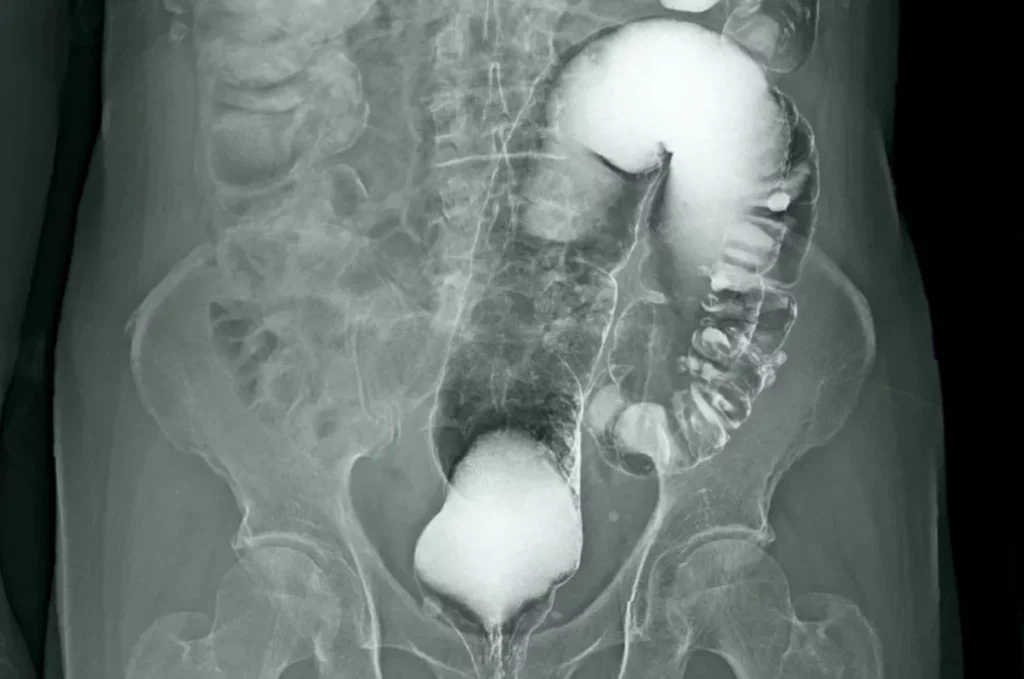
Nearly half of American adults are unaware of the established link between eating processed meat and an increased risk of bowel cancer, a major new survey has found, highlighting a critical gap in public understanding of dietary health risks.
The survey, commissioned by the US-based Physicians Committee for Responsible Medicine and conducted by data intelligence company Morning Consult, polled 2,202 adults. It revealed that close to 50% did not recognise the connection. However, attitudes shifted when participants were informed, with around two-thirds then supporting mandatory warning labels on such products.
A Knowledge Gap on Both Sides of the Atlantic
This lack of awareness is not confined to the United States. In the UK, public understanding is similarly lacking. A February 2023 survey by the World Cancer Research Fund (WCRF) found that 57% of Britons were unaware that processed meat could increase bowel cancer risk. This is despite the fact that, as a cancer expert warned as far back as 2008, the evidence has long been considered “convincing”.
Dr Joseph Barrocas, an internal medicine specialist in North Carolina who reviewed the US findings, expressed particular alarm given the disease’s growing toll on younger people. “In light of colorectal cancer now being the leading cause of cancer deaths in adults under 50, it’s concerning that so many people still don’t know about the strong connection,” he said.
The research also identified a shortfall in medical consultations, with only one in three US adults recalling a discussion with a healthcare provider about the link. Dr Barrocas urged practitioners to better counsel patients on nutritional factors, alongside standard screening advice.

The Science of Risk: From Nitrites to DNA Damage
The scientific consensus on this link is robust. The World Health Organization classifies processed meat as a Group 1 carcinogen, a definite cause of cancer, and red meat as a Group 2A, or probable cause. The heightened risk from processed meats is partly due to added nitrates and nitrites, preservatives that can form N-nitroso chemicals (NOCs) in the body, damaging bowel cells and DNA.
UK government guidelines, based on advice from the Scientific Advisory Committee on Nutrition (SACN), recommend consuming no more than 70g of red or processed meat daily. Examples of a 70g portion include two beef burgers or six slices of salami. Yet, a 2020 study of half a million UK adults found that eating 79g daily was associated with a 32% increased risk compared to eating less than 11g. The WCRF reports that eating 50g of processed meat daily—roughly two slices of ham—increases bowel cancer risk by around 20%.
Bowel cancer is the fourth most common cancer in the UK, with around 42,000 diagnoses and 16,500 deaths annually. Notably, 54% of cases are considered preventable, with approximately 13% linked directly to high red and processed meat consumption. Rates are rising sharply among younger adults, with diagnoses in those aged 25-49 increasing by 22% between the early 1990s and 2018.
Dietary Defence: The Central Role of Fibre and Plants
While the risks of certain meats are clear, scientific research offers equally compelling evidence on powerful dietary protections, with fibre and plant-based diets taking centre stage.

Dietary fibre plays a crucial role in bowel health. Research demonstrates that those with the highest fibre intake have a 72% lower risk of developing colon polyps, which can precede cancer. Anna Herby, a nutrition education specialist at the Physicians Committee, quantified the benefit: “Research shows that for every 10 grams of fibre we eat each day, we can lower our colorectal cancer risk by up to 10%.” Practical sources of 10g of fibre include a cup of raspberries, two tablespoons of chia seeds, or two-thirds of a cup of black beans.
Most people in the UK, however, consume only around 18g of fibre per day, well below the recommended 30g. Diets rich in fruits, vegetables, whole grains, and legumes are fundamentally protective. Studies indicate that individuals adhering to plant-based eating patterns face a 22% lower risk of developing colorectal cancers compared to those on meat-based diets, an effect attributed to beneficial phytochemicals in plant foods.
This protective evidence has spurred calls for stronger public health measures in the UK. Some British scientists are advocating for mandatory warning labels on processed meats and a phased ban on nitrites, similar to regulatory tightening seen in the EU. Critics argue that government inaction over the past decade has contributed to an estimated 54,000 Britons developing bowel cancer linked to nitrites, costing the NHS approximately £3 billion in treatment. The UK Ministry of Health and Welfare has stated the Food Standards Agency considers the link between nitrites and cancer “inconclusive,” a stance disputed by many in the scientific community.